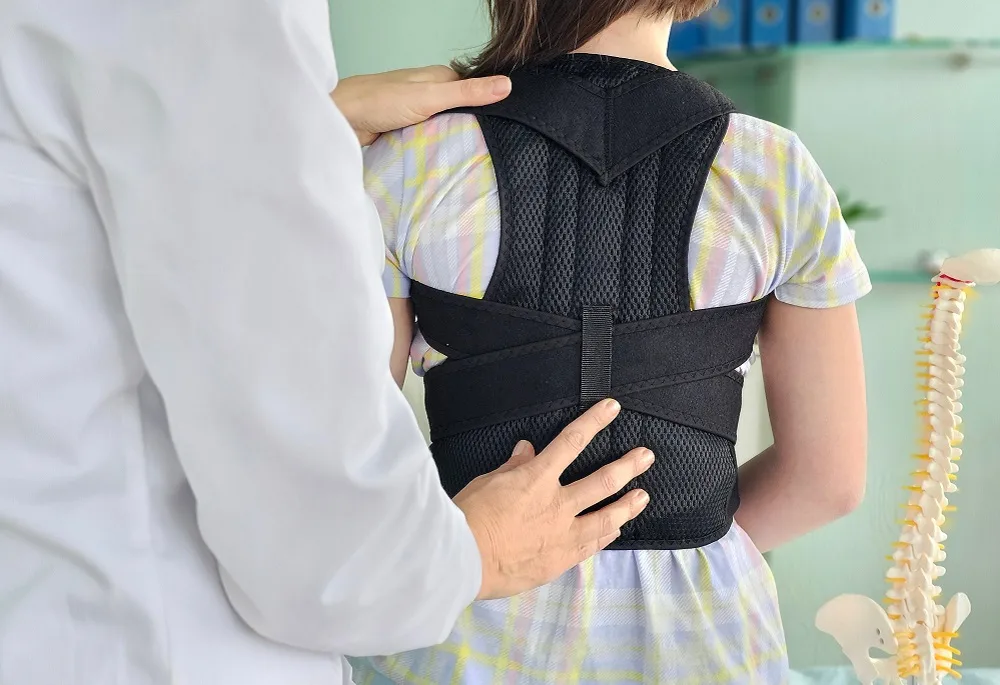
For adults all over the world, back pain is one of the most common issues associated with widespread discomfort. You still want a back support belt, but it needs to be the right style in order to get you any meaningful relief. Most adults go for the first one they find without grasping how various belt kinds function. Incorrect placement may limit effectiveness or aggravate existing discomfort.
A good back support belt supports your spine, corrects the specific lumbar region, and prevents it from receiving excessive pressure each day. Different types of belts vary in design, construction, and usage. But getting this right is more important than people think.
Let’s explore the 5 types of back support belt designs that genuinely offer better support.
5 Types of Back Support Belt Designs That Actually Work
Knowing which belt suits your condition saves time, money, and unnecessary discomfort. Each type serves a specific purpose and body need.
- Posture Corrector Belt
A posture corrector belt targets the upper and mid-back rather than the lower spine. It pulls the shoulders back and aligns the upper body into a healthier position.
- Corrects forward shoulder posture and upper back rounding
- Helps reduce strain from prolonged sitting or screen time
- Best suited for desk workers and those with sedentary routines
- Not a substitute for medical support belts prescribed for lower back conditions
Posture corrector belts work well alongside a lumbar belt for full spinal care. Used alone, they do not address lower back pain effectively.
- Lumbar Support Belt (Contoured)
A contoured lumbar support belt is built to follow the natural curve of your lower spine. It sits flush against your back, delivering targeted compression exactly where it is needed most.
- Follows the natural shape of the lumbar spine
- Provides firm, targeted compression to the lower back
- Ideal for chronic lower back pain and extended daily wear
- Works well for desk workers, drivers, and active adults
A contoured lumbar support belt works best for people who experience consistent lower back pain. It offers more precise support than a flat belt design.
- Lumbar Support Belt (Non-contoured)
A non-contoured lumbar support belt uses a flat, uniform panel across the lower back. It applies even pressure without following the spine’s natural curve.
- Delivers flat, uniform compression across the lower back
- Simpler construction makes it more affordable
- Best suited for mild soreness and short-term use
- Less precise fit compared to a contoured design
This type suits adults dealing with occasional back strain rather than chronic conditions. It is a practical starting point for first-time belt users.
- Compression Wrap Belt
A compression wrap belt is lightweight, flexible, and designed for mild support during movement. It wraps around the torso and applies gentle, consistent pressure.
- Flexible enough to wear during walking, light exercise, or daily tasks
- Provides mild compression without restricting natural movement
- Good for active adults managing minor muscle fatigue or strain
- Not suitable for severe pain or post-surgical recovery needs
This belt type suits adults who need light support without bulk. It is a comfortable everyday option for those managing mild discomfort.
- Rigid Back Brace
A rigid back brace is the most structured type of back support belt available. It uses hard panels or stays to limit spinal movement and protect injured vertebrae.
- Offers maximum immobilization for serious spinal conditions
- Recommended after surgery, fractures, or severe spinal injuries
- Hard panels restrict movement to protect and stabilize the spine
- Should always be used under direct medical supervision
A rigid back brace is not an over-the-counter solution. It requires a doctor’s recommendation and is designed for specific medical recovery needs.
How to Choose the Right Back Support Belt for Your Needs?
Not every belt works for every person. The right choice depends on your particular condition, daily routine, and how much support your back actually needs.
- Pain Type Matters Most
Chronic lower back pain needs a contoured lumbar support belt. Mild strain suits a compression wrap or non-contoured belt.
- Activity Level Guides the Fit
Active adults need flexible, lightweight options. Sedentary workers benefit from firmer lumbar or posture support.
- Wear Duration Affects Your Choice
Short-term users can opt for simpler designs. Those wearing it daily need breathable, adjustable materials.
- Severity Determines Structure
Post-surgical or severe spinal conditions require a rigid back brace under medical supervision.
- Body Type Influences the Fit
Broader frames need wider belts with stronger fastening. Slimmer builds do better with adjustable, low-profile designs.
Choose the Right Back Support Belt for Lasting Daily Comfort
The right back support belt is not a one-size-fits-all decision. Your condition, body type, and activity level all shape which design works best for you. Chronic pain calls for a contoured lumbar belt. Mild strain suits a compression wrap. Post-surgical recovery needs a rigid brace.
Wellness brands like AgEasy design support solutions with real daily needs in mind. Do not pick a belt based on price alone. The right choice, worn consistently, supports better posture, reduces discomfort, and helps you stay active. Your back deserves that level of care every single day.