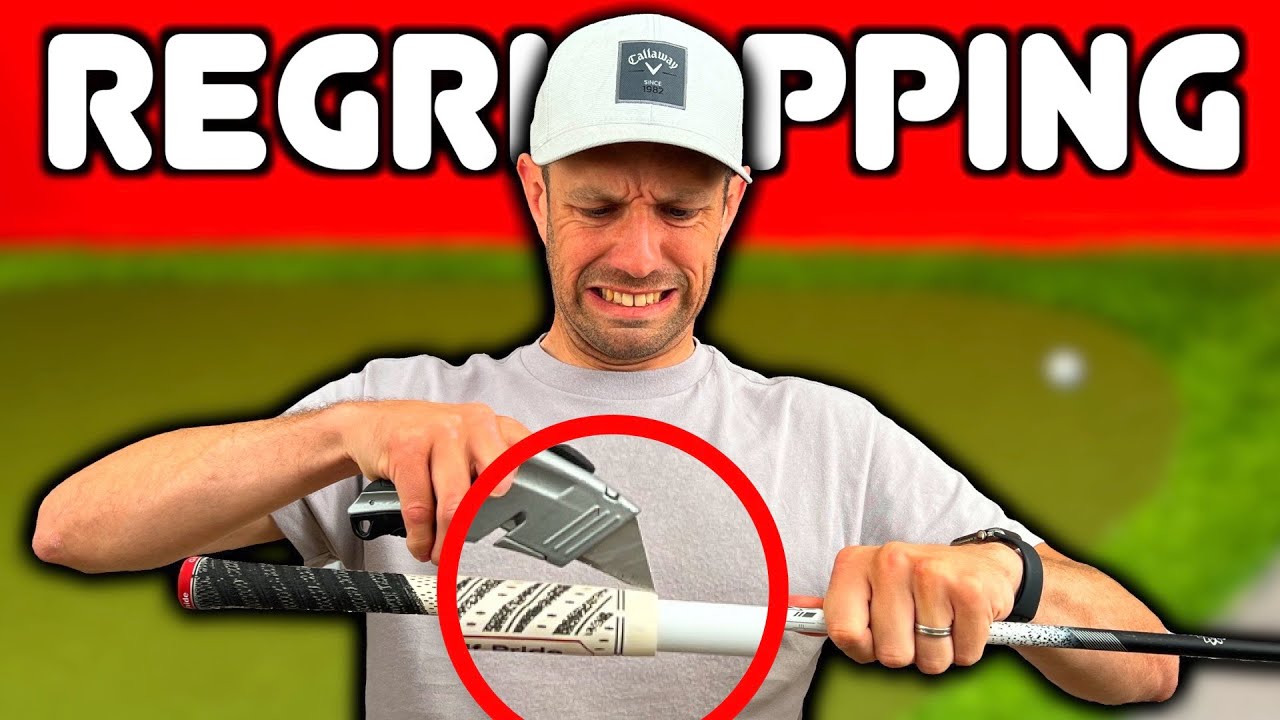
Golfers invest thousands of dollars in drivers, irons and putters, yet many don’t pay attention to the most critical part of the club the handle. How to Regrip Golf Clubs is the actual link between your hands and the golf club. This means that you can soon lose your form in the game, so if the grip is slippery, hard or damaged, it’s time to replace it.
Using old grips can cause loss of consistency, accuracy, distance control and confidence. Luckily, it’s not hard to change out grips. Actually, if you are acquainted with the right process, you can do this in the comfort of home, and even save some cash each season.
Why Regripping Golf Clubs Matters
A lot of golfers tend to be more attuned to club heads and shafts. The grip, however, influences all the photos you take. When the grip starts to slip, your hands begin to exert greater efforts during the swing. This means that tension develops in your wrists and forearms and you will often end up with a shot that isn’t hit straight.
New handles make it more comfortable, provide more feedback and allow the club to be controlled better. They also assist with keeping golfer’s grip pressure lower thus promoting a more fluid swing. New grips also give a person a boost of confidence as the club once again allows them to feel comfortable in their hands.
How You Know Your Golf Grips Are Worn Out
Golf grips endure the wear and tear gradually, and typically many golfers are unaware that they are showing signs of damage. However, several warning signs are apparent that your grips are due to be replaced.
1. Slippery Feeling During Swings
The grip has probably lost its tack when there is a slight twist to the club during impact, or the grip feels unstable. This causes your hands to grip more tightly than usual to make up for that.
2. Smooth Surface Texture
New grips have a design to enhance grip. These textures become a flat and smooth over time. As a result, the grip properties are degraded.
3. Cracks or Hardness
Grip material breaks down over time due to heat, sun and damp. This means that the grips lose pliability and become uncomfortable.
4. Increased Grip Pressure
If golfers continually keep squeezing too tightly at the point of the swing it is typically an old grip issue. Opt for fresh grips to minimize need for tension.
5. Reduced Comfort
Bad grips is cause for hand fatigue over an extended period of time. This means that they can be upgraded in replacement with an instant improvement in comfort.
Tools and Materials Needed
Prior to beginning; acquire all necessary tools. With everything organized, work flows appropriately and quickly.
Essential Regripping Tools
| Tool | Purpose |
| New Golf Grips | Replacement grips |
| Double-Sided Grip Tape | Secures grip to shaft |
| Grip Solvent | Helps install grips smoothly |
| Utility Knife or Hook Blade | Removes old grips |
| Bench Vice with Rubber Clamp | Holds club securely |
| Towel or Rag | Cleans excess solvent |
| Tray or Container | Catches dripping solvent |
Also, a few golfers utilize extended practice grips before practicing on costly clubs.
Step-by-Step: How to Regrip Golf Clubs
Let’s now walk through the full procedure thoroughly. When you know these steps, the work is easy and fun to do.
Step 1 – Secure the Club
Place the golf club in a bench vice. Be sure to use the rubber clamp as this will prevent the shaft from scratching or getting damaged under pressure. Place the club a little lower than the hand hold for more stability. It’s a safer and more accurate process with a secure club. So don’t skip over this step.
Step 2 – Remove the Old Grip
Cut along the length of the grip with a hook blade or a utility knife. Always cut away from yourself for safety. Carefully remove the grip from the cut turn. If the grips seem to be stuck, you may need to gently heat the adhesive below the grip to loosen. Slowly take grip material away once more. At this stage, patience is required as hashes might be damaged if rushed.
Step 3 – Clean the Shaft Properly
With the grip off, take all the old tape off of the face of the unit with a sharp blade. Then, clean off the shaft with grip solvent and a clean rag. A clean shaft provides easy grip installation. In addition, if you remove all the adhesive, you won’t have an uneven grip thickness later. This is often overlooked but is a crucial step that can have a big impact on the final outcome.
Step 4 – Apply Double-Sided Grip Tape
Use a measure tape to measure grip length, typically about 10-11 inches. Wrap the tape evenly around the shaft, ensuring it’s as smooth as possible. Trim just past the end of the shaft. Then fold it inwards as this blocks the area of the grip cap. Applying the tape correctly ensures that the grip will remain stable for extended periods of time.
Step 5 – Add Grip Solvent
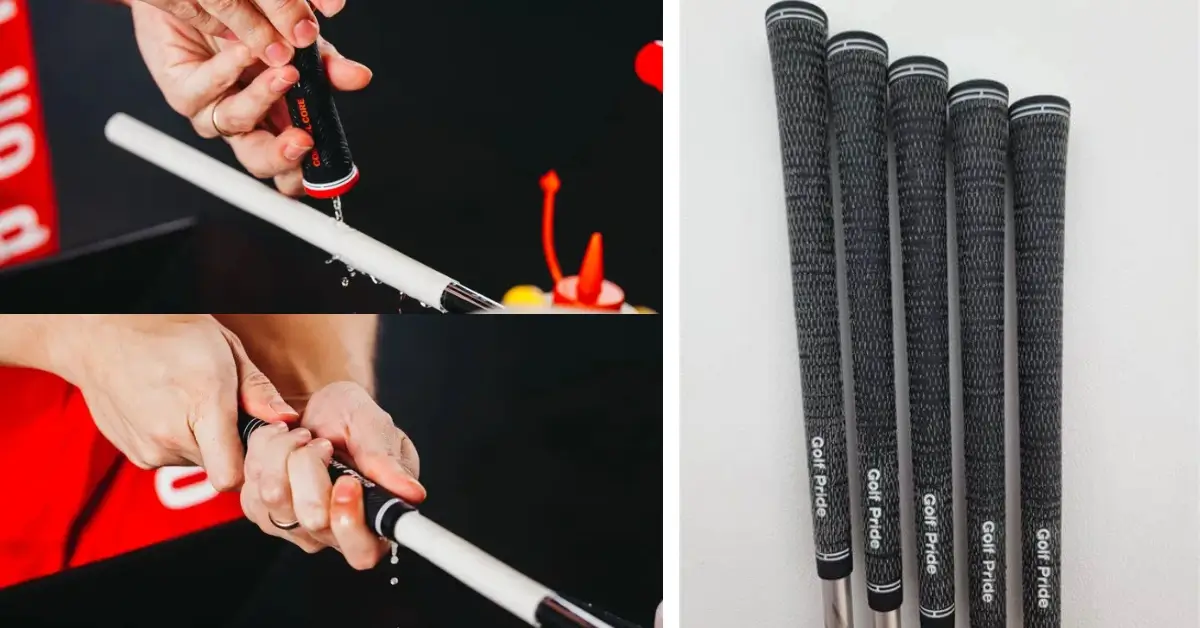
Fill the new grip with a pour-in grip solvent. Be sure to cover the hole with your finger and gently shake the grip. This results in an even distribution of solvent inside.
Then, once more pour excess solvent down on the grip tape of the shaft. Be sure that tape is completely soaked as it can make installation difficult without moisture. Solvent and this step to How to Regrip Golf Clubs is extremely important because it helps to slide the grip into place.
Step 6 – Install the New Grip
Immediately slide the grip onto the shaft while the solvent remains wet. Push firmly and steadily until the grip reaches the shaft end completely. Avoid twisting aggressively during installation. Instead, use controlled forward pressure. If done correctly, the grip should slide smoothly into position within seconds.
Step 7 – Align the Grip Correctly
Properly position logos, patterns or reminder ribs before the solvent dries. Positioning of the hands directly influences the swing at the start of the swing. So, spend a little time looking the location carefully from a variety of angles. Adjustment after the solvent has dried is difficult.
Step 8 – Allow Proper Drying Time
Leave the club straight, in a safe place, and let it dry thoroughly. Most types of grips need to set for a minimum of 12 to 24 hours prior to use. Don’t hit balls too early as the grip could still spin slightly. With patience during drying, long life is guaranteed.
How to Regrip Golf Clubs Tips to Remember
The little things can make a lot of difference in the re-rip. So, here are some helpful tips! Grip solvent releases potent fumes so make sure to work in a ventilated area. Also, it is easy to wipe up spills if they occur with extra towels around.
For those that prefer using shafted molds, go for hook blades over straight knives. This will decrease the likelihood of incidental damage to a vehicle’s shaft. They should also try shooting old clubs before they attempt this course. For this reason, they become more confident in their work before using big sets and large budgets. Most importantly, keep everything organised throughout the process as it helps to increase the speed and accuracy of the process!
What Should You Avoid Doing?
Here are some small problems that many golfers have but which cause bigger problems later on. But it’s easy to avoid these common mistakes. Avoid to put tape residue on the shaft. It results in irregular grip variations due to uneven build-up. Also, don’t use too little solvent as this will make it very hard to install.
Don’t aggressively grab grips if they break 50 percent of the way. Rather, do the same, delicate removal and then another start. A second error that is made is poor alignment. Mismatched hand-in-hand and hand/wrist connections have a negative impact on swing mechanics and comfort. The proper How to Regrip Golf Clubs technique long-term eliminates lose time, money and frustration.
Maintaining Grip After Regripping
Washes with mild soap and warm water, regularly. Over time dirt, sweat and oils diminish traction. So, cleaning products are necessary to transfer tackiness and comfort.
Whenever possible store clubs at moderate temperatures. Excessive heat inside cars or garages speeds up grip aging.
Also, check out grips frequently for hard spots, smooth spots or cracks. Rapid repair preserves the worth of your investment and boosts overall performance.
How Frequently Should Golf Clubs Be Regripped?
Grips need to be changed every year or every 40-60 rounds, which is about the right amount for the majority of golfers. But playing habits and weather conditions may be determining factors in determining playing frequencies.
Regularly playing golf might require more frequent replacements. Similarly, players in warm and humid climates typically have their grips worn out quickly. The type of grip also plays into it. Corded grips tend to have a longer lifespan compared to soft grips. When your clubs feel slippery, poorly-fitting or less comfortable, it’s time for replacements!
Cost of Regripping Golf Clubs
DIY Regripping Cost
| Item | Approximate Cost |
| Golf Grips | $5–$15 each |
| Grip Tape & Solvent | $10–$25 |
| Vice Clamp | Optional |
Heathfield, golfers with full sets will save money over time by regripping themselves, since their DIY skills will prove less costly.
Professional Regripping Cost
The typical golf shop has a fee of:
- $3–$8 labor per club
- Plus grip cost
The total price can range from $80 to $200, depending on the choice of grips.
Thus, many golfers like learning how to golf club grip alone.
Best Grips for Different Conditions
Grip types are dependent on the weather conditions. Hence, adopting a proper hand grip will enhance the performance.
- Hot & Humid Weather: Corded or hybrid grips are recommended as they will have good hand to grip properties even with sweaty hands.
- Rainy Conditions: Moistureproof grips are enhanced for extra grip during rainy rounds.
- Cold Weather: Soft grips $1037 are more comfortable for use in low temperatures as they attenuate hard vibrations. Using the right grip positions and style will help you develop increased confidence and control on the golf course.
Should Golfers Start Regripping Clubs Themselves?
Absolutely. Regripping is among one of the golf maintenance skills that you can easily get the hang of. It’s a fairly straightforward process using basic tools and simple preparation, with a little patience. Furthermore, golfers can save dollars and personalize their grip size, itchiness and feel as desired. A lot of newbies become uneasy at first. After re-barging in 1 or 2 clubs it becomes quite easy though.
Conclusion
The advantages of regripping golf clubs are, signficantly, for any level of golfer. New grips increase comfort, consistency, control and confidence with each swing.
Fortunately, it doesn’t cost a lot and it is not complicated at all. Golfers can be successful at home with the right tools and technique.
FAQ: How to Regrip Golf Clubs
Q1: Why should I regrip clubs instead of buying new clubs?
Regripping restores tackiness, comfort, and control without the high cost of replacing clubs. Additionally, it improves consistency and confidence.
Q2: What tools do I need for regripping?
You need a vice, rubber clamp, hook blade, grip tape, grip solvent, towel, and replacement grips.
Q3: Can beginners regrip golf clubs at home?
Yes. Beginners can easily learn the process with practice and proper instructions.
Q4: How long should grips dry before use?
Most grips need 12 to 24 hours to dry completely before playing.
Q5: How often should golf grips be replaced?
Most golfers replace grips yearly or after 40–60 rounds depending on usage and weather conditions.
Also Read About :- Callaway Rogue ST Pro Irons