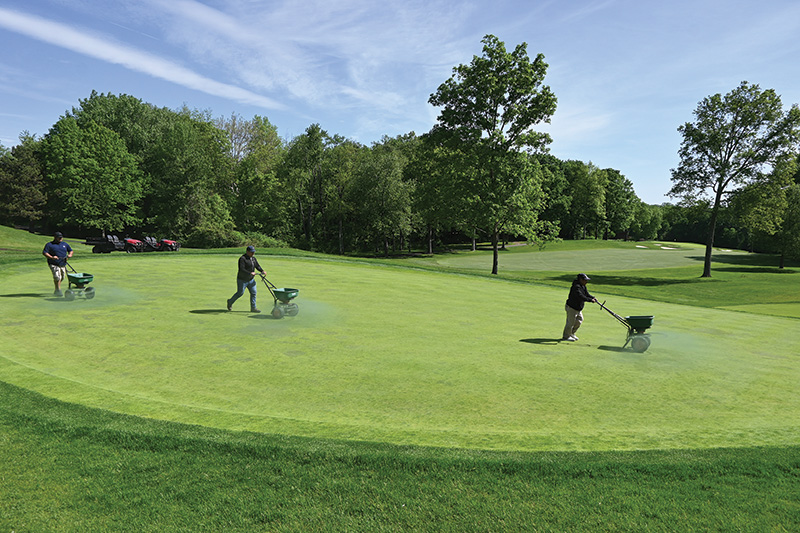
Golf courses look calm from a clubhouse. However, maintenance work often moves quickly behind the scenes. Usually, greenkeepers handle early morning traffic, machines, water systems, and chemicals. A solid safety review can help a gold club protect its equipment, staff, visitors, and even the course itself.
Safety is also important. It improves service because fewer accidents often mean fewer rushed repairs and delays. Clubs need to treat tree work, sheds, ladders, and roof edges with the same care as fairways. This makes tools at height kits an important part of planned maintenance.
Good course maintenance practices begin when all tasks have the right tools, control, and people for the job. Some of the safety practices that golf clubs need to review include:
Starting With a Living Risk Map
Most golf clubs use risk assessments. However, they usually stay in folders after an inspection day. Living risk maps work perfectly well because they show danger spots on courses. Ensure you mark busy crossings, wet bridges, steep banks, and loose paths.
Making Machinery Checks Visible
Bunker rakes, mowers, chainsaws, utility vehicles, and tractors need more than just annual servicing. Short visible checks before using them may prevent small faults from resulting in serious damage or injuries. Employees need to inspect emergency stops, guards, seat belts, brakes, and blades.
Respecting Chemicals and Natural Water
Treated water, cleaning fluids, and pesticides all need proper handling. Keep them in a labelled area with clear instructions, spill kits, and locked access. Don’t decant products into an unmarked bottle. It may create confusion during a busy morning.
Wash-down areas, water features, drains, and irrigation ponds also need attention. Contaminated runoff, slips, hidden edges, and algae may put wildlife and workers at risk. Workers need to know who to contact in the case of a leak.
Controlling Golfers near Work Zones
Mostly, accidents happen because golfers don’t know that maintenance is happening. Mowers on blind fairways might be difficult to see. Start-sheet notes, clear signs, radios, and ropes help players slow down even before they reach work zones.
Greenkeepers shouldn’t depend on eye contact alone. They need to agree on signals with course staff, starters, and marshals. With the same warning systems, golfers won’t just understand boundaries. Everything will feel calm, too.
Reviewing Storm, Heat, and Early Morning Risks
Weather may turn safe jobs into dangerous ones within minutes. Heavy rain, lightning, heat, high winds, and fog may affect judgment and machinery control. Clubs need to set a clear stop-work rule, and should not leave employees to guess under pressure.
Usually, early morning staff face more risks because golfers are eager to start, and light is poor. So, provide head torches, hydration points, and reflective clothing. Workers who feel safe are more likely to report hazards before they grow.
The bottom line is that the safety of course maintenance isn’t an off-meeting before the season begins. Rather, it is a practical routine, protecting people and keeping courses professional and playable. When clubs review real habits, routes, and tasks, safety becomes a crucial part of golfing culture.