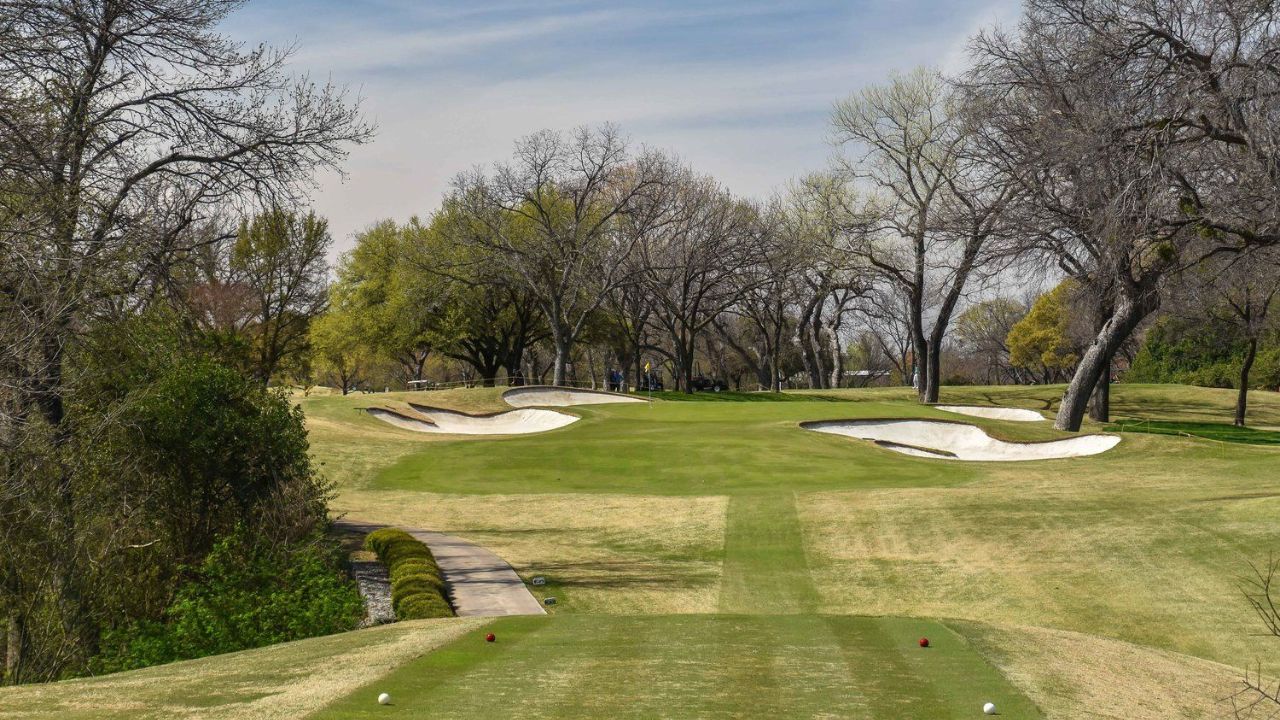
Colonial Country Club in Fort Worth, Texas is one of the most admirable golf facilities in United States. Golf enthusiasts identify it as a classical course construction, long history of championship, and an attachment to the past of professional golf. Major tournaments have been hosted at the club over the decades and the club has been receiving top players annually.
Numerous professional golfers have competed in this golf course when competing in PGA Tour events particularly when it is the Charles Schwab Challenge. The course combines classic parkland beauty and strategic architecture. Each hole requires proper choice of shot and constant concentration.
This is a comprehensive description of history, course design, tournament history and membership culture of Colonial Country Club. It also presents the course, the playing conditions, cost of membership estimates and the traditions that still characterize this ancient golf club.
Highlight Overview: Important Facts About Colonial Country Club
An overview summary of the Colonial Country Club shows that the club has blended architecture, tradition, and natural environment. All the course components combined to form a harmonious golf environment. The path taken is highly tracked to the terrain and the landscape is able to dictate the play instead of imposing shape.
The club is one of the hubs of professional tournaments over the decades. It has a long history and a stable design philosophy that have allowed it to retain a high level of reputation in the field of championship golf.
Colonial Country Club Structural Snapshot
The following table throws light on the fundamental structural characteristics that indicate the identity of Colonial Country Club.
| Feature | Detail |
| Establishment Period | Late 1930s |
| Course Architects | Perry Maxwell, John Bredemus |
| Later Renovation | Gil Hanse & Jim Wagner |
| Total Holes | 18 |
| Course Par | 70 |
| Approx Yardage | About 7,200 yards |
| Championship Role | Charles Schwab Challenge host |
| Membership Model | Private and invitation-based |
| Famous Nickname | Hogan’s Alley |
These factors constitute the pillars that determine the Colonial Country Club as a conventional and a competitive golf club.
About Colonial Country Club
The site of Colonial Country Club is located along the Clear Fork of the Trinity River in Fort Worth. The course is a combination of low area landmass with old pecan trees which border some of the fairways. The play is also naturally directed by these trees that also provide visual corridors throughout the layout.
The greens are placed in the landscape in a low key way. Their lines make players careful of the slopes, read them and then make each putt. Approaches are also guarded by bunkers which is another game strategy.
The morning round may start off quietly. Minor slopes on the greens are obscured by soft lights. By noon the plan is more developed. The evening rounds have a different feel because shadows provide subtle contours that affect the speed of putting.
This is a dynamic environment, and that is why most professionals like playing in Colonial Country Club.
Design of Courses and Strategic Planning
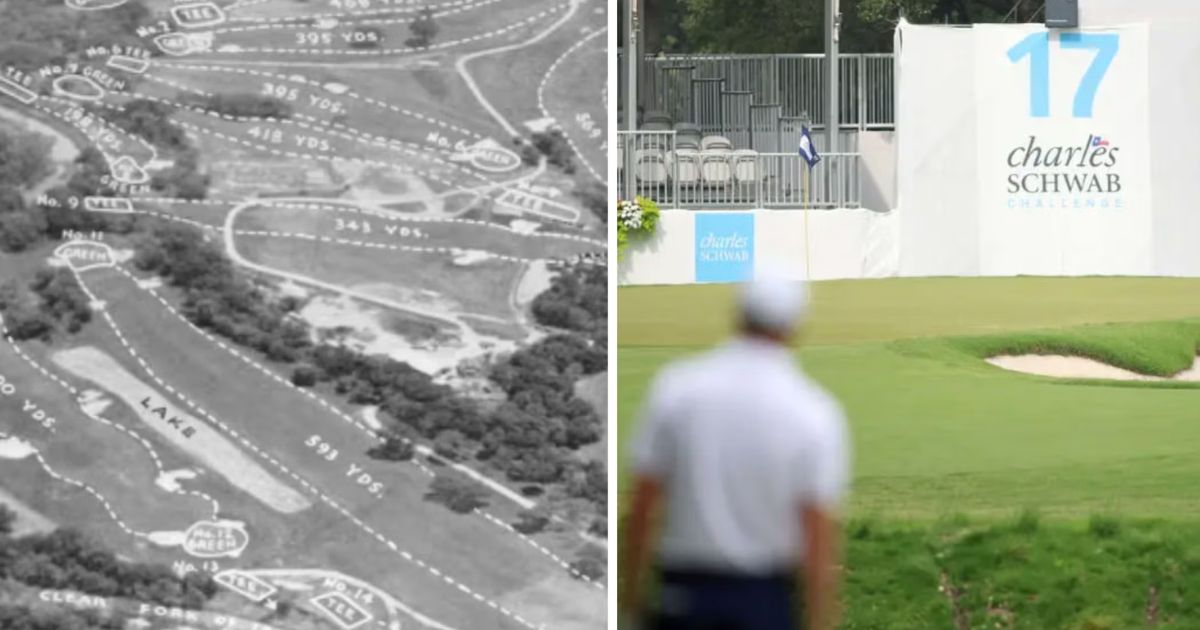
Distribution of the Colonial Country Club is not geographical but strategic. The tees are spacious on the fairways. But it is narrowed down to landing areas around bunkers and lines of trees. Players should be able to manage the direction and placement so as to position comfortable approach shots.
A number of holes are natural features going around the terrain. Doglegs challenge the player to create the shape of the shot instead of hitting straight shots.
Key Strategic Elements
- Tree-lined fairways: There are numerous holes framed with mature pecan trees. They affect the direction of the shot and punish accurate drives.
- Compact bentgrass greens: Greens are also quite small in contrast to the modern courses. The correct approach shots are necessary.
- Strategic bunkering: Greens are now defended by bunkers and angles of approach are formed. The players need to think about risk when pin attacking.
All these characteristics constitute the strategic personality of Colonial Country Club.
Impact of Tournament and Championship
The competitive reputation of Colonial Country Club increased fastly and quickly after it hosted the U.S. open in 1941. This incident made the course known to everyone in the golf scene of the country.
The club has since had the Charles Schwab Challenge taking place annually since 1946. It is rare to find other golf courses in the world that have had a tradition of holding tournaments.
Several golf legends have been in action here such as Ben Hogan, Arnold Palmer and the contemporary players.
Significant Tournament Achievements
| Year | Event | Champion |
| 1941 | U.S. Open | Craig Wood |
| 1946 | Colonial National Invitational | Ben Hogan |
| 1975 | Tournament Players Championship | Al Geiberger |
| 1991 | U.S. Women’s Open | Meg Mallon |
The success of Ben Hogan at the club gave the club the name of the Hogan Alley.
Estimated Membership Access and Fees
Colonial Country Club is a selective or exclusive golf club. Specific charges are hard to be posted on the open. Nonetheless, the industry estimates provide a decent outlook on the price.
Membership is usually by sponsorship by the existing members and acceptance by the club.
Estimated Membership Costs
| Cost Category | Estimated Amount |
| Initiation Fee | $80,000 – $100,000+ |
| Monthly Dues | Around $450 – $500 |
| Annual Maintenance | $5,000 – $7,000 approx |
| Guest Green Fees | $150 – $300 estimated |
Due to the membership, members have access to the championship golf course, the clubhouse dining, and the practice facilities.
Due to its rich history and tournament, Colonial Country Club is currently one of the most exclusive golf memberships in the state of Texas.
Natural Landscape and Environment, Region
The character of the course is influenced by the surrounding of Colonial Country Club. There is a Trinity River that is nearby that affects the soil conditions and vegetation.
Play is influenced by several factors, which are not artificial:
- The appearance of slopes on greens is altered by the light conditions.
- The movement of wind traverses tree corridors.
- Temperatures have an effect on the turf firmness.
These natural facts give playing environment a continuously altered environment.
Course Layout, Yardage and Hole Distribution
Colonial Country Club is designed with traditional routing and smart design of the holes.
| Hole Type | Yardage Range | Playing Style |
| Par 3 | 155–210 yards | Precision iron play |
| Par 4 | 315–470 yards | Strategic placement |
| Par 5 | 520–600 yards | Controlled progression |
| Championship Layout | Approx 7,200 yards | Traditional parkland |
The challenges of each hole are different and bring a balance of a round to the very end.
Conclusion: The reason why Colonial Country Club is still an icon.
The tradition, architecture, and championship golf serve as the pillars of the legacy of Colonial Country Club, which is constantly expanding. The course is very considerate in its structure which compensates strategy, patience and precision.
Professional golfers have played here through generations to make the tournament one of the classic tournament venues in America. Long history of Charles Schwab Challenge has made it stronger in the sport.
Membership is also a privilege and the approximate prices are based on the prestige of the club. However, the worth of Colonial Country Club is not in the membership or tournaments. It is in the silent harmony between the land, architecture and the eternal swing of the golf.
Colonial Country Club is a living history of golf to both players and fans, who are always motivated to live in this history to inspire new generations of golfers.
Also Read About: Quail Hollow Club Course Guide: Course History, Fees & Layout