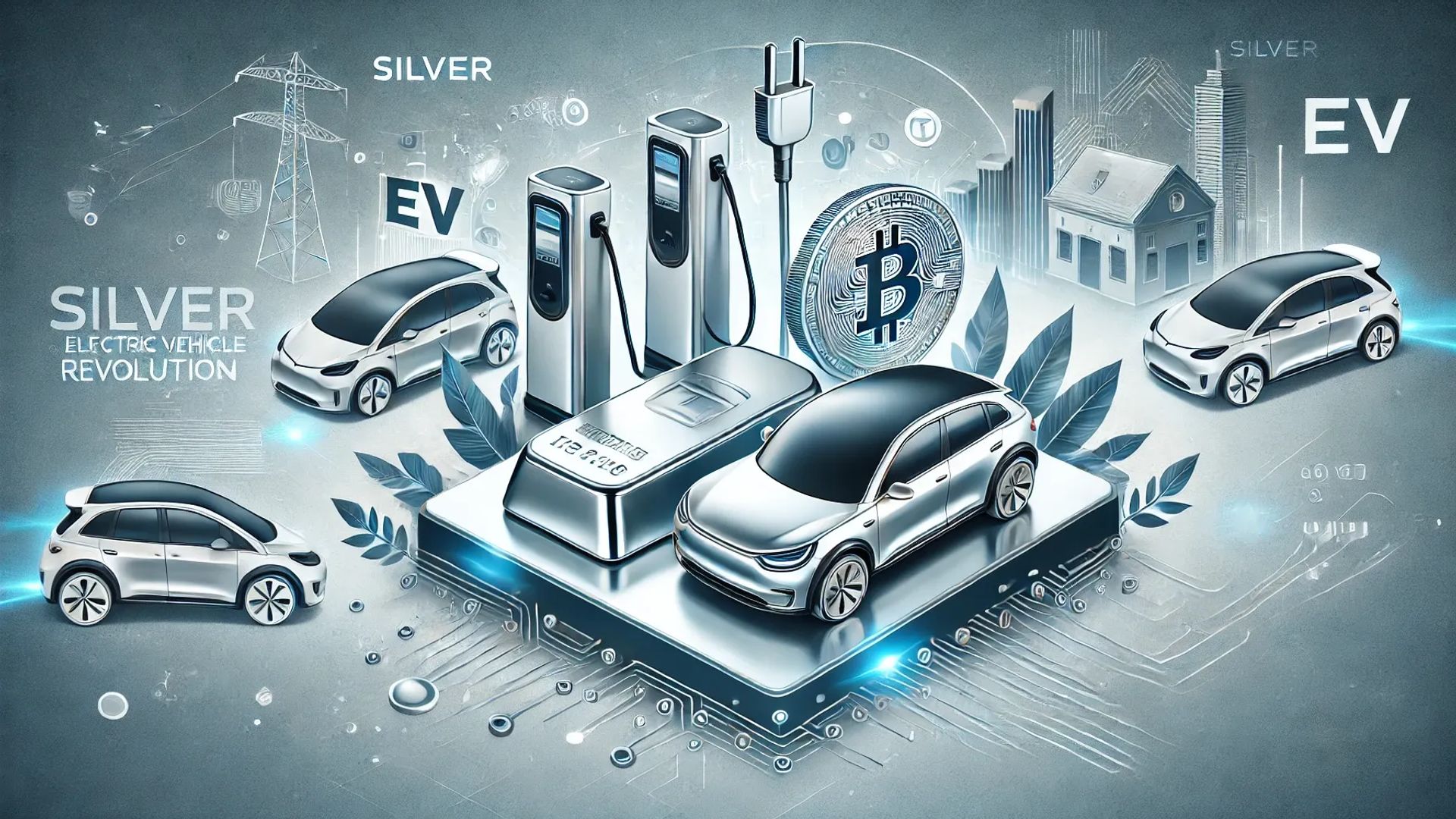
If you have been tracking the EV market closely, you must have associated this boom with a strengthening automotive industry. But have you observed that the demand for silver as an industrial metal has also increased with greater EV adoption? An EV boom has turned silver into one of the biggest beneficiaries.
Traditionally, investors have associated silver with jewellery and investment. Now, the new role of silver is evident in modern electric mobility. Let’s understand why EVs require so much silver, and how this trend can fuel silver prices.
Why electric vehicles need more silver
In terms of electrical conductivity, silver is the best metal in the world. This makes it difficult to replace silver in high-performance electrical systems.
As EVs contain more electronic components compared to conventional petrol or diesel vehicles, they require more silver. The metal is widely used in:
- Electrical contacts
- Connectors
- Battery management systems
- Power distribution units
- Inverters
- Control modules
- Safety systems like automatic braking and airbags
- Infotainment and touchscreen systems
Silver is also used in EV charging stations. Silver-coated electrical contacts are used to manage high-power charging efficiently.
As EV technology advances, the number of electronic systems in these cars continues to increase. This further boosts the consumption of silver.
How much more silver do EVs need than conventional cars?
Now that you know the role of silver inside an EV, the next question is obvious. How much more silver is needed in an EV compared to a conventional car?
According to estimates, conventional internal combustion engine vehicles use around 15-28 grams of silver, while hybrid vehicles require 18-34 grams. EVs that operate on batteries require around 25-50 grams of silver each. This means EVs can use nearly 67% to 79% more silver compared to traditional vehicles.
Rapid adoption of EVs creates further demand
As the world strides towards a greener future, governments in different countries continue to advocate for cleaner transportation. Subsidies, stricter emission standards, and investments in charging infrastructure are strengthening the demand for EVs.
In the coming decade, the share of EVs in the market is likely to further increase. This would fuel a higher demand for silver, which can eventually reflect in its price.
How the demand for EVs is influencing silver prices
While the growth of the EV sector is fuelling silver prices, the limited availability of the precious metal adds further pressure. Silver is different from metals that are mined primarily for their own production. Around 70% of global silver output comes as a by-product of mining other metals like copper, zinc, and lead.
This creates a limitation, leading to a short supply of silver, which eventually pushes up the prices. Mining companies cannot increase the production of silver quickly as their output depends on the production of other base metals.
What the EV boom means for investors
One of the strongest long-term factors boosting silver prices is its industrial demand in EVs. Traditionally, the prices of the precious metal were influenced by the demand for jewellery or investments. But today, technological applications are increasingly driving silver prices.
As an investor, it’s worth noting that silver prices are influenced by several factors. These include global economic conditions, interest rates, and movements of the US dollar. Industrial production and the overall sentiment of investors continue to influence prices of silver.
The adoption of EVs provides a favourable long-term backdrop for silver prices to increase. Those tracking silver rates in Bangalore or other cities must look beyond short-term volatility and include the precious metal in their long-term portfolio.
Conclusion
The high demand for EVs across the world is transforming the silver market. It’s time long-term investors looked beyond the automotive industry to benefit from the growth trajectory of silver.
Higher use of silver per vehicle and the expanding charging infrastructure have already established the long-term demand for the metal. If you’re planning to include silver to diversify your portfolio, look for the best silver mutual funds or ETFs as long-term allocations.