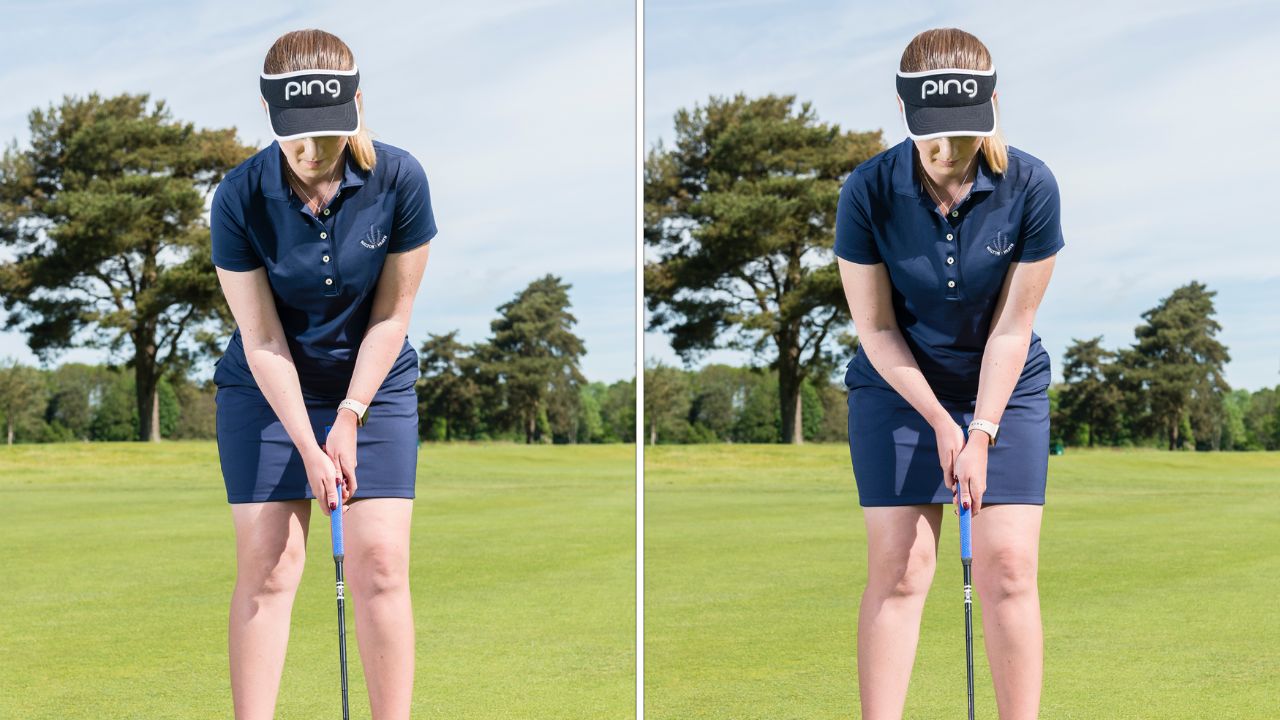
The deciding factor of making a round a success or a bummer is putting. Several golfers constantly switch putters, experiment with various balls, explore new practice techniques, but still, they have trouble consistently making their performance on greens. The problem is in most instances not the equipment but the grip in which the putter is held. The left hand low putting grip has become one of the techniques that have become popular among both the professional golfers and amateur golfers.
This style of putting puts the right hand under the left right hand down the grip on the right-hand side of the golf club. Though it might seem a strange thing to use, most players find that it enables them to make a smoother motion and control. This technique has been used by some of our industry giants who believe that it fosters stability and minimizes undesirable hand action in the putting stroke.
Why Golfers Are Moving Toward the Left Hand Low Putting Grip?
The problem is many golfers fail due to the overtake in the dominant hand during the stroke. Consequently, impact tends to close or open the putter face hence missing putts.
Left hand low putting grip can be used to overcome this problem and get the shoulders to rhythmize the movement rather than the hands and wrists. As a result, the stroke becomes more predictable and repeatable in a state of pressure.
The key motives of golfers to change their method to this one can be classified as:
- Improved face control of the putter.
- Much more stable shoulder position.
- Reduced wrist breakdown
- Increased accuracy on short putts.
- Less pressure anxiety.
- Improved time-distance control.
To those players who often pull or push putts, this grip will allow them to have a clean slate and an easier way to putt.
Key Benefits of the Left Hand Low Putting Grip
Answering: To have any grip change you would consider, it is a good idea to know what benefits it may bring. Although all the golfers are unique, most of the players undergo similar improvements upon a time spent with this technique.
| Benefit | How It Helps |
| Shoulder Stability | Promotes a more level shoulder position |
| Straighter Stroke | Encourages the putter to move on the target line |
| Less Wrist Action | Reduces unnecessary hand movement |
| Better Face Control | Keeps the putter square longer |
| Improved Confidence | Creates a more repeatable motion |
| Consistency Under Pressure | Helps during important putts |
All these merits give the reason why most golfers still use the grip even after the initial period of adjustment.
How to Set Up the Left Hand Low Putting Grip Correctly?
The secret to a good putting stroke is a good setup. Even the slightest error in address can influence the whole movement.
The initial goal is to attain a comfortable space where the shoulders and arms can be able to cooperate. Being able to build a relaxed stance is preferable to locking on.
Step 1: Place the Right Hand on the Grip
Begin by putting your right hand towards the top of the putter grip. Do not squeeze the club; hold it loosely. The loose grip enables the feel to be maintained and ensures that the putter swings in its natural manner. The overuse of grip causes a lot of tension in the forearms and shoulders.
Step 2: Position the Left Hand Below the Right
The left hand now to the right. The hands ought to be as a single unit. A number of golfers find a minimal overlap of fingers desired as it will provide more connectivity between two hands. Still others decide on a double overlap, as being more stable. The aim is to seek a stance that is safe without causing any strain.
Step 3: Align the Hands and Forearms
And when both hands are gripped, ensure that the forearms look like they are attached together and even and balanced. The wrists must not make a sound during the stroke. When they are too active they should increase the level of grip force until they are comfortable with it.
Step 4: Check Shoulder Position
Among the most valuable benefits of the left hand low putting grip is that it helps to stabilize the shoulders. Make sure that your shoulders look square with the target line by standing before a mirror or taking a snapshot using your smartphone camera. Level shoulders make the putter move right towards the target.
Step 5: Finalize Your Posture
Bend forward slightly at the hips and leave arms to rest. Either stand up too straight or too stooped over the ball. A balanced position will assist in supporting rhythm and control during the stroke.
Ball Position Guidelines for Better Results
The finest putting grip may not be effective when the ball is positioned not in the right place. In this technique, majority of golfers perform their best when the ball is slightly in front of the center in the position. This stance enables the putter to hit the ball cleanly and still keep it rolling.
The table below is a crude reference.
| Ball Position | Result |
| Too Far Back | Increased chance of pushing putts |
| Center | Neutral roll for some players |
| Slightly Forward of Center | Preferred position for most golfers |
| Too Far Forward | Can lead to inconsistent contact |
Test, during practice, to learn where you can get the best stroke.
Common Putting Problems This Grip Can Help Fix
A new grip is taken by many golfers with a view to getting rid of certain putting mistakes. Left hand low putting grip tends to solve many problems faced by players.
1. Pulled Putts
With a strong right hand, golfers often tend to draw away towards the left sides of the goal. Since this grip lessens the over-hand action, most players play starting lines straight across.
2. Flipping Through Impact
Certain golfers have the putter being thrust out. The method will encourage a more consistent movement and minimize unnecessary inversion.
3. Poor Shoulder Alignment
One of the common causes of inconsistent putting is open shoulders. The grip automatically straightens the shoulders, and therefore alignment can be enhanced as a result.
4. Short-Putt Anxiety
A lot of golfers lack confidence at short putts. This is an added stability that frequently causes shorter putts to seem easier and more manageable.
Practice Drills to Master the Left Hand Low Putting Grip
Replacing grips is time-consuming. Though immediate improvement can be achieved by some golfers, most do not get the technique that natural before several sessions of practice.
The following exercises can make the learning process faster.
1. Distance Control Drill
Plan tees on varying lengths of distances. Balls to each target are 3 and the aim is to pay attention to speed but not direction. This will condition feel and touch with the new grip.
2. Gate Drill
Make a small gate with two tees that are slightly broader than putter head. Stroke passes through the gate leaving neither tee touched. This exercise enhances face control and path of strokes.
3. One-Hand Stability Drill
Make a number of short putts with the left hand only. In this exercise, the lead shoulder learns to control the stroke instead of the hands.
4. Circle Putting Drill
Roll half a dozen balls round the hole. Begin with three feet and strive to complete all putting in a row.
This practice instills confidence and enhances performance under pressure.
Mistakes Golfers Make When Switching to This Grip
The problem is that many golfers give up too soon due to their high expectations of the grip. But each of the grip changes needs an adjustment period.
To prevent the following mistakes:
- Holds firmly to the putter.
- Alteration of grip styles per round.
- Being too distant to the ball.
- To leave the stroke to the wrists.
- Shifting the head at impact.
- Practicing only short putts
- Expecting overnight improvement
It is common in practice that consistency is valued more than instant outcomes.
Left Hand Low Putting Grip vs Conventional Putting Grip
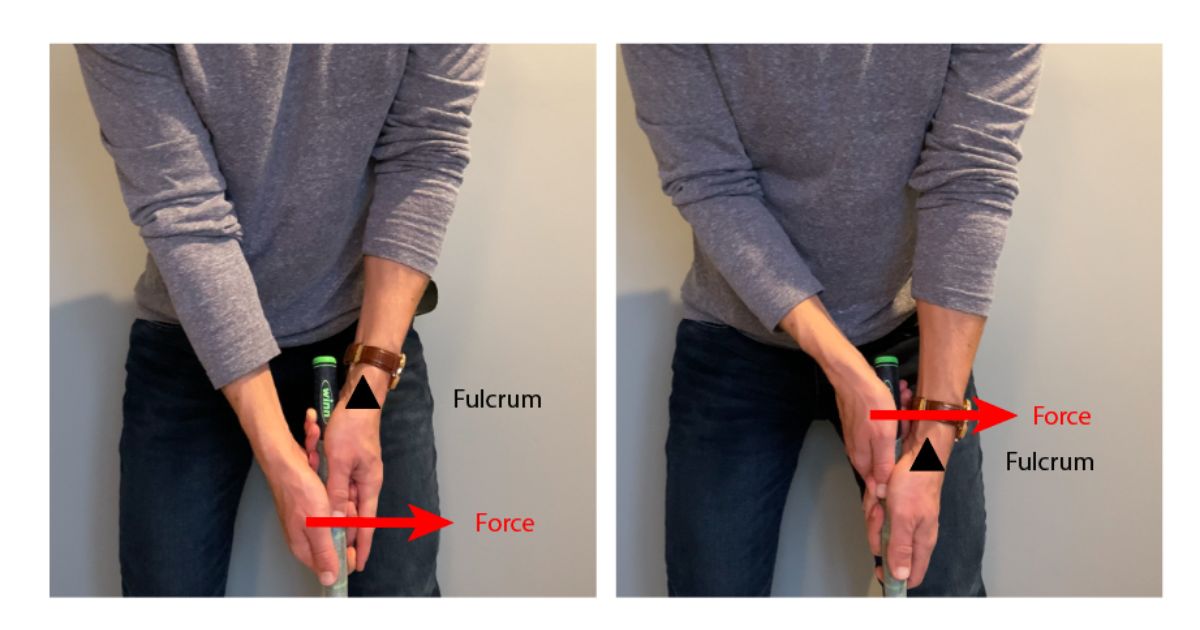
The two methods are effective depending on the kinds of golfers they cater to. The principal differences are noted through the comparison below.
| Feature | Left Hand Low | Conventional Grip |
| Shoulder Alignment | More level | Can become open |
| Wrist Action | Reduced | More active |
| Face Stability | High | Moderate |
| Learning Curve | Moderate | Easy |
| Short-Putt Confidence | Often improved | Depends on player |
| Stroke Simplicity | High | Varies |
The switch can be of great help to golfers who have problems with excessive hand movement.
Is the Left Hand Low Putting Grip Right for You?
Not all putting styles suit all golfers. However, the alternative left hand low putting grip is also worth trying in case you have constant contact difficulties, pulled putts, or are unable to control distance.
The method may be particularly effective with golfers who desire a more shoulder-oriented swing as opposed to one that depends heavily on the wrist. Although the change can awkward at initial practice, thousands of players find that the grip becomes instinctive after several practice sessions as opposed to their old one.
It all depends on commitment. You have to practice a few weeks before you can determine whether the grip fits your game. Measuring your performance, monitor your initial lines, count the degree of comfort that you have during key putts.
Conclusion
The left hand low putting grip has come to earn the confidence of most people in the modern world of golf as it helps instill a sense of stability, better shoulder alignment, and less excessive movement of the hands. Despite the fact that it can take time to adjust to the new swing, most golfers discover that it results in a more reliable swing and confidence in the greens.
When your current putting grip is not allowing you to score better in the game, the left hand low putting grip is another practice that may enable you to make more putts and decrease your scores. This is an easy grip fix with the right set up, practice and expectations that can prove to be a worthy adding to your putting routine.
Also Read About: What Makes a Golf Course Layout Truly Great vs. Merely Difficult