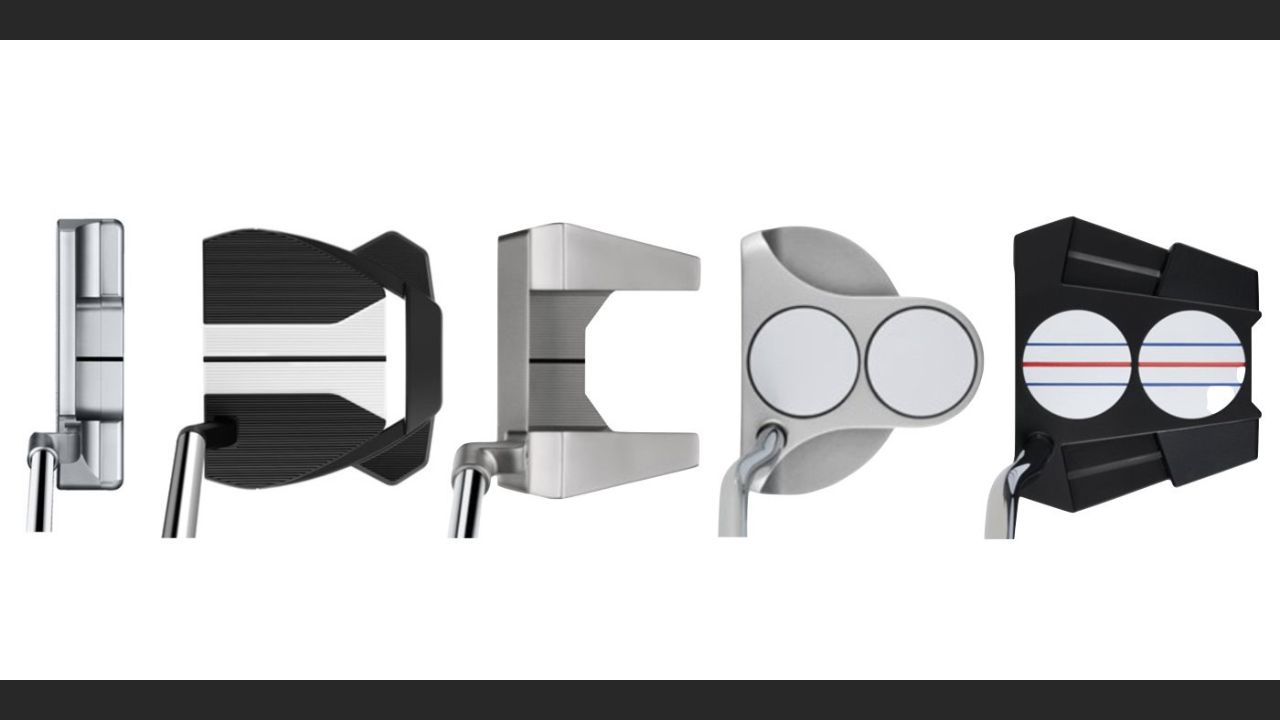
Putting is the most accurate of all golf skills, and it usually dictates the final result more than any other activity. Even a strong swing or an iron shot can only go a long way with a golfer. When the ball falls on the green, it is all about control, feel and decision-making. That is why it is necessary to know the types of putters which are recommended to golfers of all levels. The club that is used most of the time when one is on the course is the putter, but this is the least known club. Most players choose a putter by the way they look or the brand name without a thought on the design of the putter and the effects on the players stroke and consistency.
This guide will elaborate on the varieties of putters and elaborate on the performance of each types of putters and assist golfers to select a putter that fits their playing requirements, comfort, and the kind of stroke. It is not about being complex but clear.
What Are Putters in Golf?
A putter is actually a club that is specially designed to roll the ball over the putting green and to the hole. Putters do not produce height or distance like woods or irons do. Their purpose is to give it a smooth contact, roll, and direction.
Putters have low loft, a flat face and well-balanced weight. Such properties enable the ball to roll rather than bounce or slide away. An effective putter will assist the golfer to manage the speed and direction with little effort.
Due to the precision element over strength in putting, the slightest changes in the design of the putter can cause recognizable variations in the performance. That is why golfers will gain knowledge about the various types of putters prior to its purchase.
Why Putter Design Matters More Than Most Golfers Expect?
Most golfers waste hours in their attempts to choose drivers and irons yet putter selection is an after-thought. This practice usually results in disparity and disappointments on the green. Putter design has a direct influence on the areas of alignment, stroke path, tempo and face control.
There are those putters which retain the square shape during the swing and some which have the option to rotate naturally. Some of the designs minimize twisting on off-center hits, whereas some give instant feedback that assists the golfers to perfect the technique. The putter completes the natural movement of the golfer; then putting is natural and reproducible.
The knowledge of the types of putters will eliminate doubt and give certainty. Rather than battling the club, golfers can learn to read greens and manage the speed.
Types of Putters
There are hundreds of different models of putters available in the market, and most of them are represented by a number of well-defined categories. These are types that are associated with the shape of the head, balance and weighting as opposed to branding or beauty.
Each type endorses a particular style of stroke and playing style. The awareness of these categories enables golfers to reduce the list of choices rationally and eliminate unnecessary trial and error.
1. Blade Putters
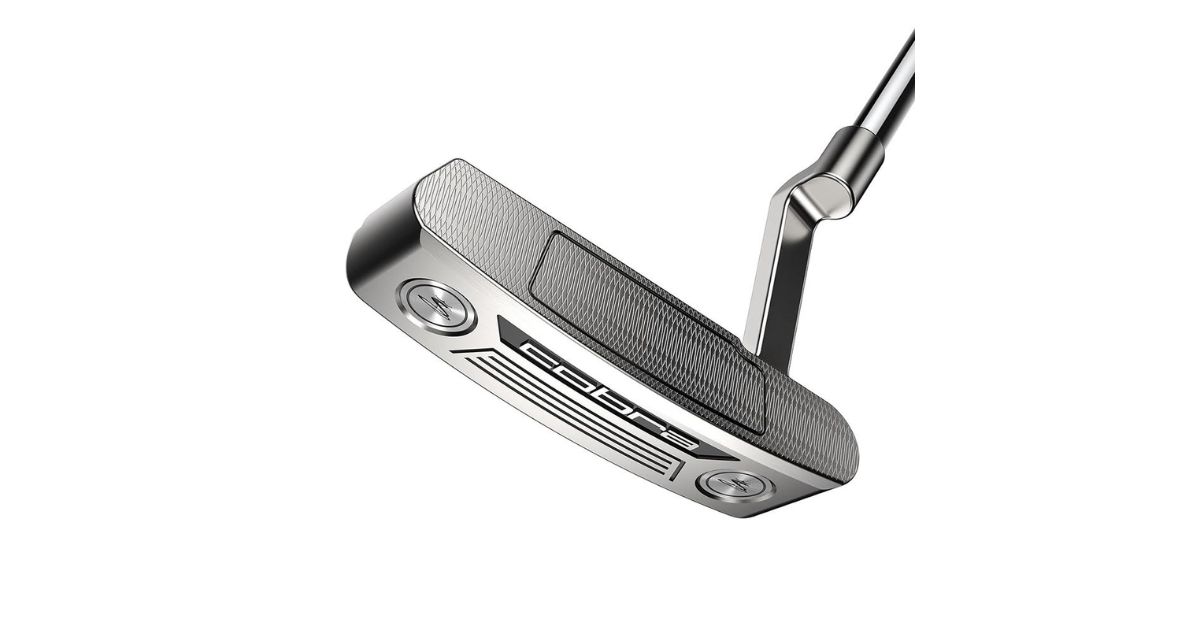
Most traditional types of putters in golf are the blades which are still commonly used by professional golfers. They are characterized by a small, tight head with an unadulterated and straightforward look. The design has little visual distraction at address.
Blade putters have very good feedback. Golfers have no difficulties in determining whether contact was centered or a little off which assists in controlling distance and strokes awareness. This sensitivity renders blade putters the favourite of those players who place their trust in touch and accuracy.
Blade putters are however less forgiving on mishits. The off-center hits may cause significant alterations in the distance and direction. That is why blade putters should be used by golfers with regular ball impact and arcs.
2. Mallet Putters
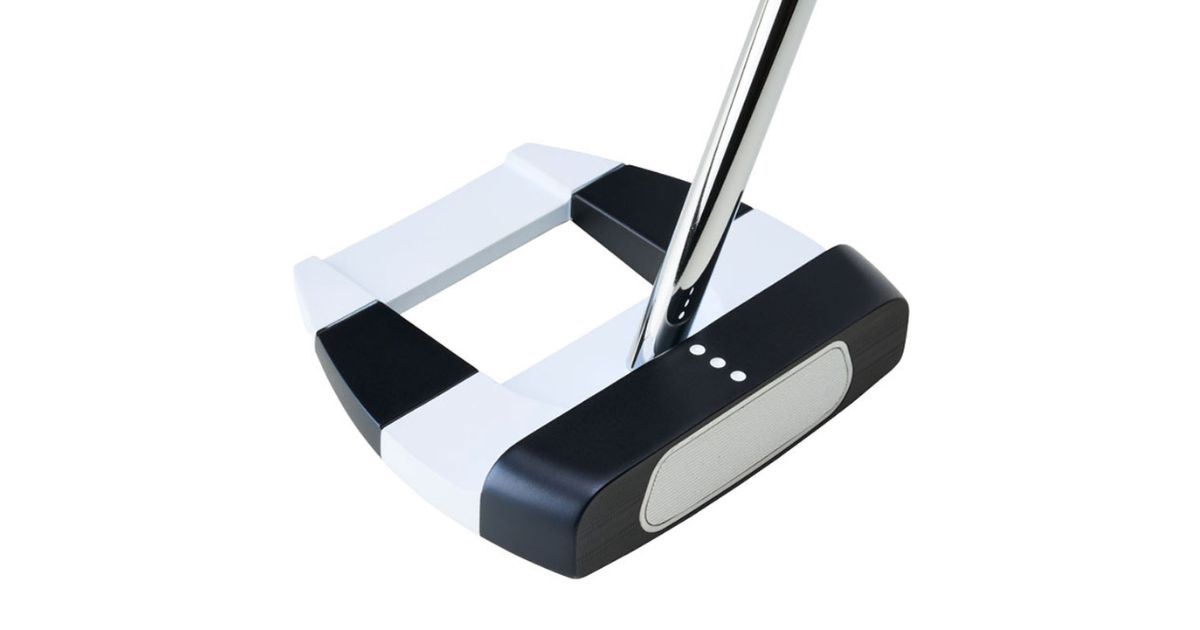
Mallet putters have a bigger head design which gives them the opportunity to be creative in terms of weight allocation. The associated size enhances stability and forgiveness in the stroke. Bold alignment aids are also common on many mallet putters and assist golfers to point the putter more precisely.
The higher moment of inertia decreases the twisting on off hit and thus a more consistent roll occurs. This is what makes mallet putters especially attractive to those golfers who have difficulty with alignment or consistency.
Mallet putters are also recommended to beginners, however, a lot of advanced players also play them successfully. They are stable and confidence-giving which works well on fast and undulating greens.
3. Peripheral Weighted Putters
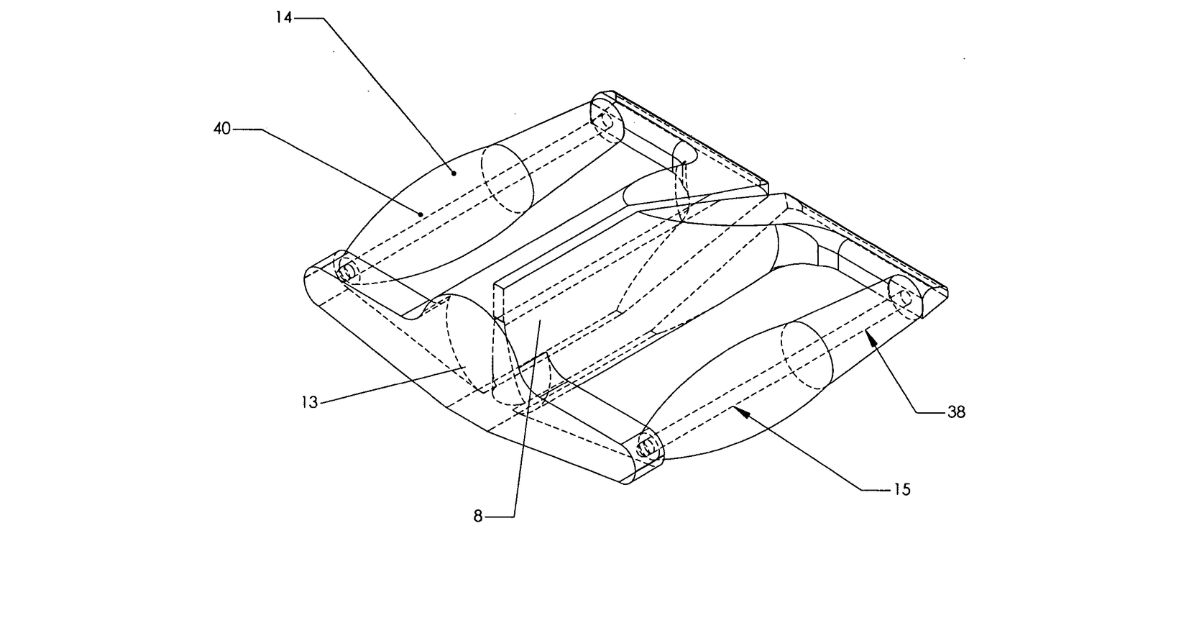
In contrast to centralized weight putters, peripheral weighted putters have the mass concentrated around the edges of the clubhead. This shape makes it more difficult to twist and causes the face to be more stable in case of impact.
The ball will roll on the desired line more frequently when the face is square. This forgiveness is an advantage of golfers who cannot always hit the ball correctly in the middle face.
Peripheral weighting is used in the blade and mallet types, so it is quite a convenient choice. It provides a feel/forgiveness ratio without altering the appearance of the putter radically.
4. Face-Balanced Putters
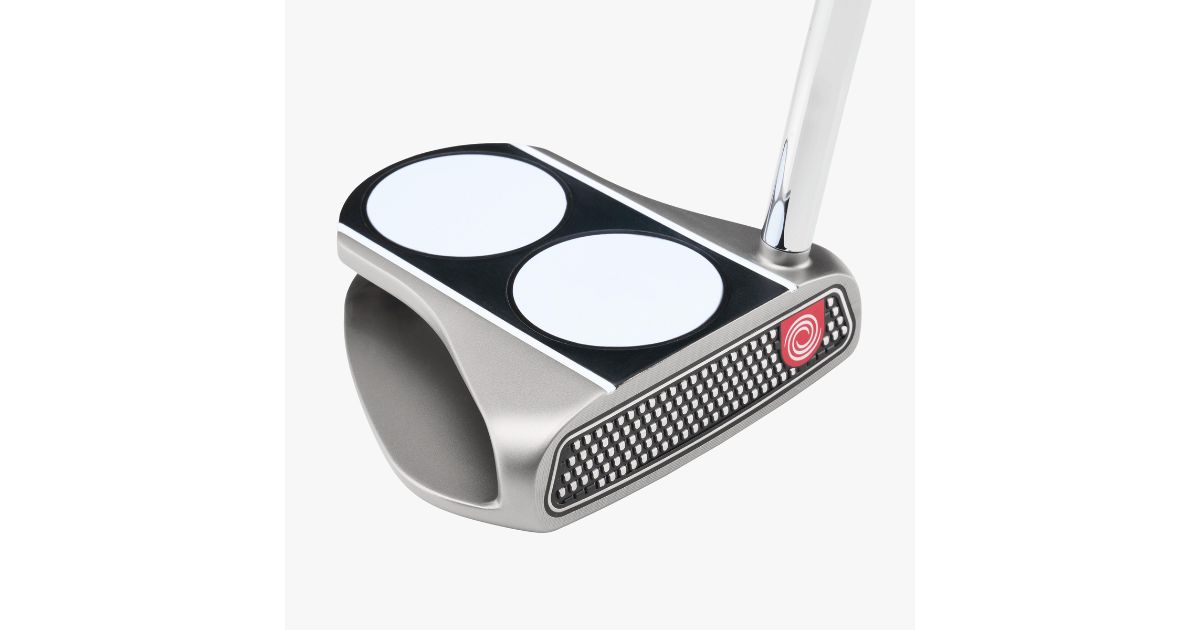
Face-balanced putters are made in a way that the club face is upward facing with a horizontal balance in the shaft. This balance reduces the rotation of the face in the stroke.
This design is usually helpful to golfers with a straight-back, straight-through putting motion. It assists in keeping a square face straight through to the end resulting in a predictable roll.
The most typical face-balanced designs are mallet putters, but there are also blade ones. This style is most preferred by golfers, who are concerned about consistency and control on shorter putts.
5. Toe-Balanced Putters
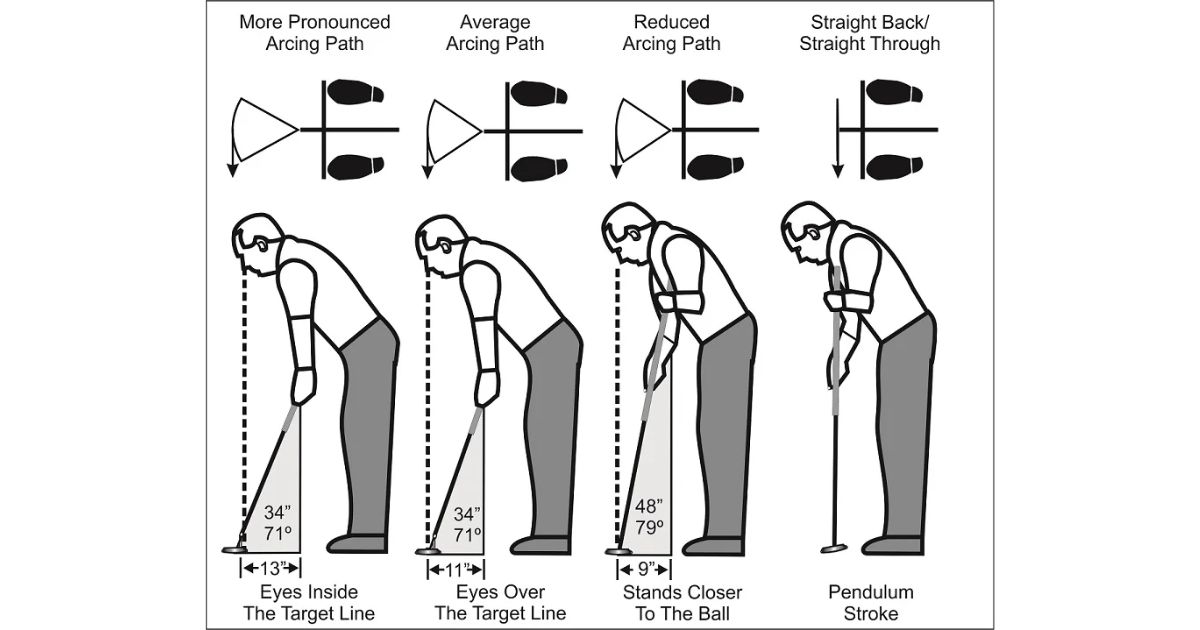
Toe-balanced putters permit the toe of the clubhead to swing pendent when in equilibrium. This construction facilitates natural rotation of the face during the stroke.
Toe-balanced putters tend to be more comfortable to golfers whose stroke is an arc. The backswing causes the face to open and impact causes it to close naturally, which forms a flowing motion.
Most of the blade putters belong to this category and this is why they are also popular with the experienced golfers who depend on the feel and the rhythm.
6. Insert Putters
The insert putters are made with a softer material to the clubface. This filler modifies the sound and feel on impact and in many cases, gives a quieter and softer feedback.
The lesser intensity of contact assists golfers in managing distance in a better way, particularly in high speed greens. Vibration is also minimized in inserts making many players feel more comfortable with it.
The types of materials used to insert are numerous, and the aspect of preference also plays an important part to decide whether this method feels right or not. Other golfers like the subdued touch, whereas others like a firmer reaction.
7. Milled Putters
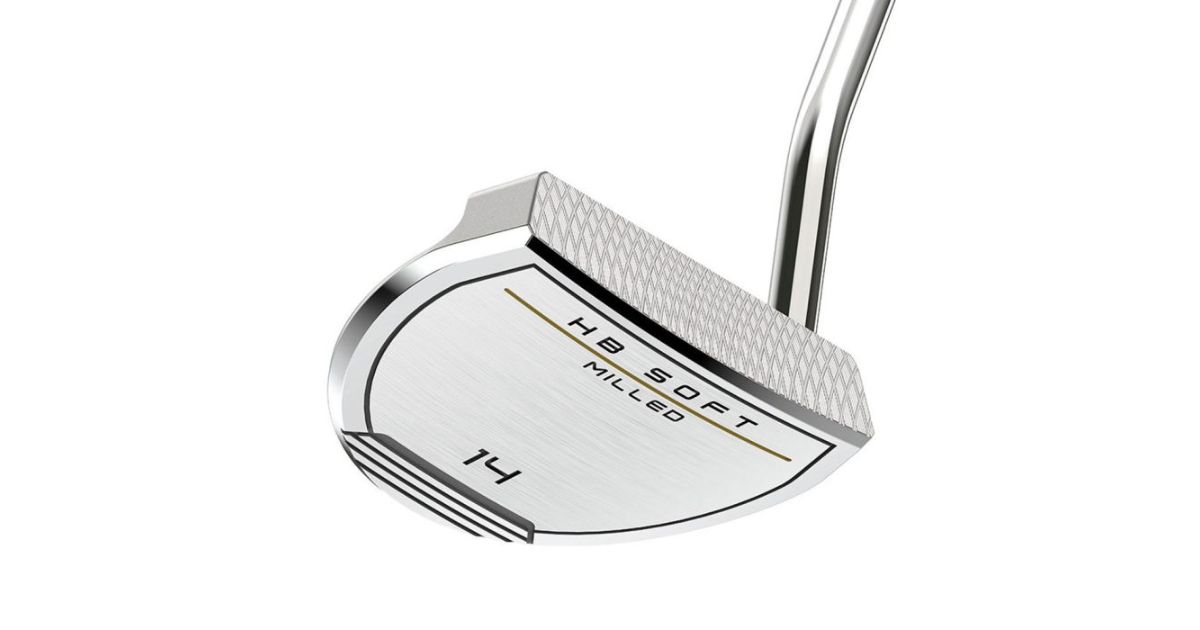
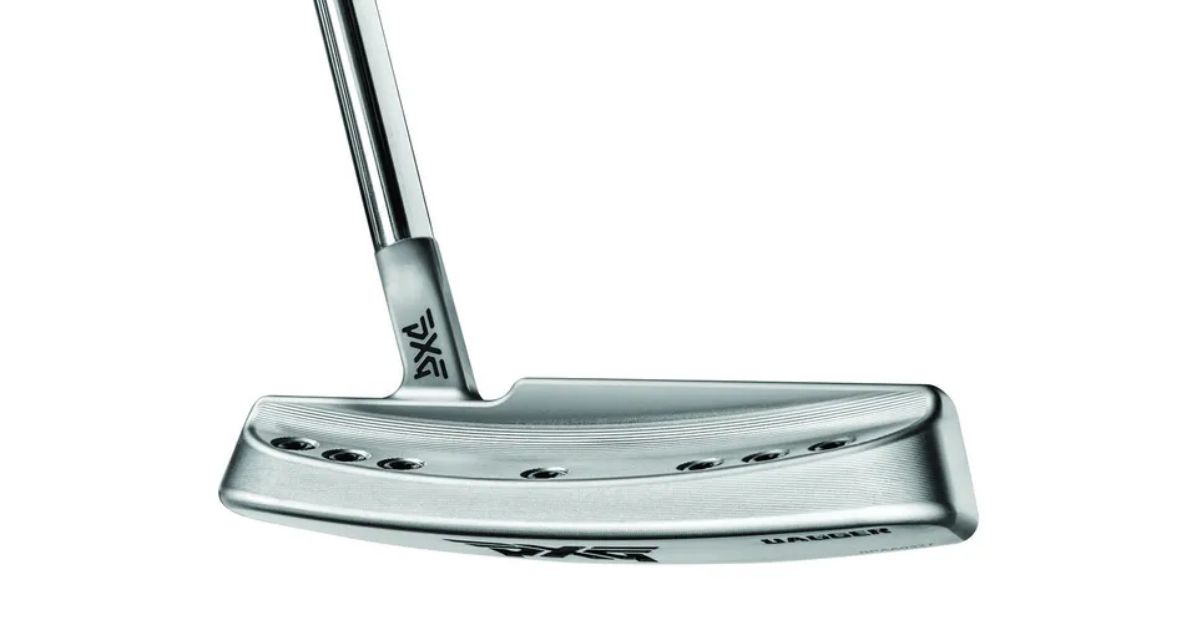
Milled putters are made by a single piece of metal and the weight is distributed accurately as well as the shape is also consistent. This is a manufacturing process that results in a solid and responsive feel.
Milled putters are often preferred by golfers who believe in the artistry and reliability of milled putters. The feedback is precise in that the players are able to judge the distance.
Intermediate and advanced golfers are found to be using these putters more often and feel more in control than forgiveness.
8. Counterbalanced Putters
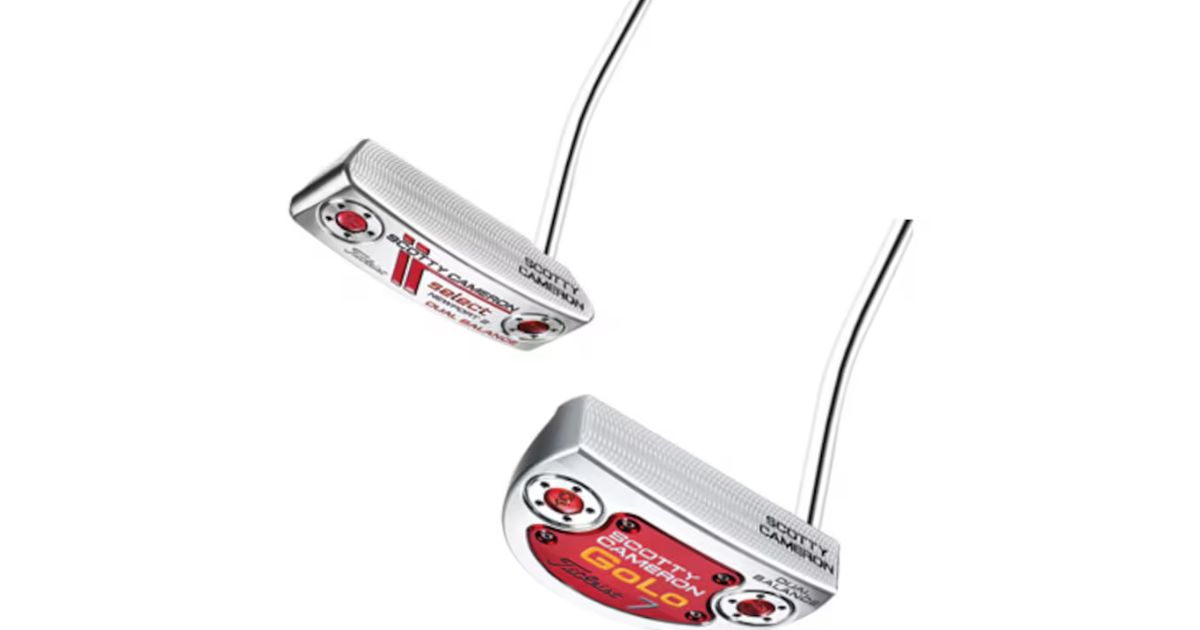
Counterbalanced putters have a grip or upper shaft weight. This moves the balance point nearer to the hands forming a smoother stroke.
The weight added inhibits excessive pivoting of the wrist as well as encourages the pendulum-like action. Counterbalanced putters have been proven to enhance tempo and consistency by many golfers.
Counterbalanced designs are, however, very effective even though they might initially feel unfamiliar to the golfer until one gets used to them.
9. Long and Extended-Length Putters
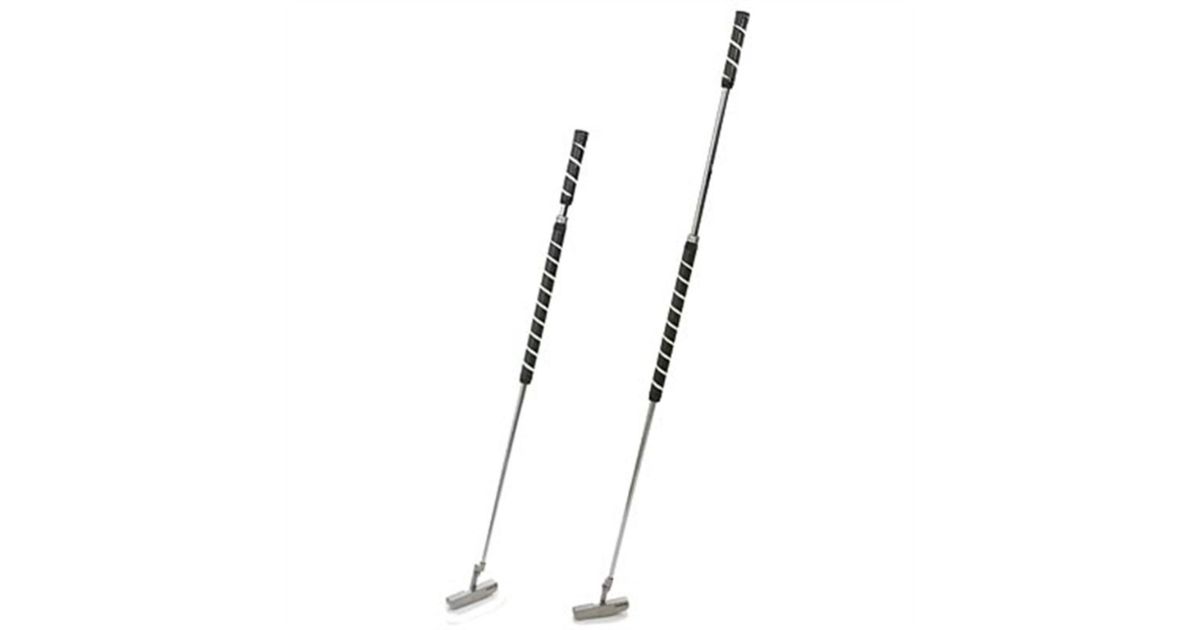
The long putters have long shafts which promote a more erect posture. Although anchoring regulations have been modified, other golfers like using longer designs because they are comfortable and have a sense of balance.
The extra length assists in stabilizing the stroke and minimizing unnecessary hand movement. These putters can be used with golfers who have problems with posture or consistency. The first benefits of this category are convenience and control.
10. High-MOI Putters
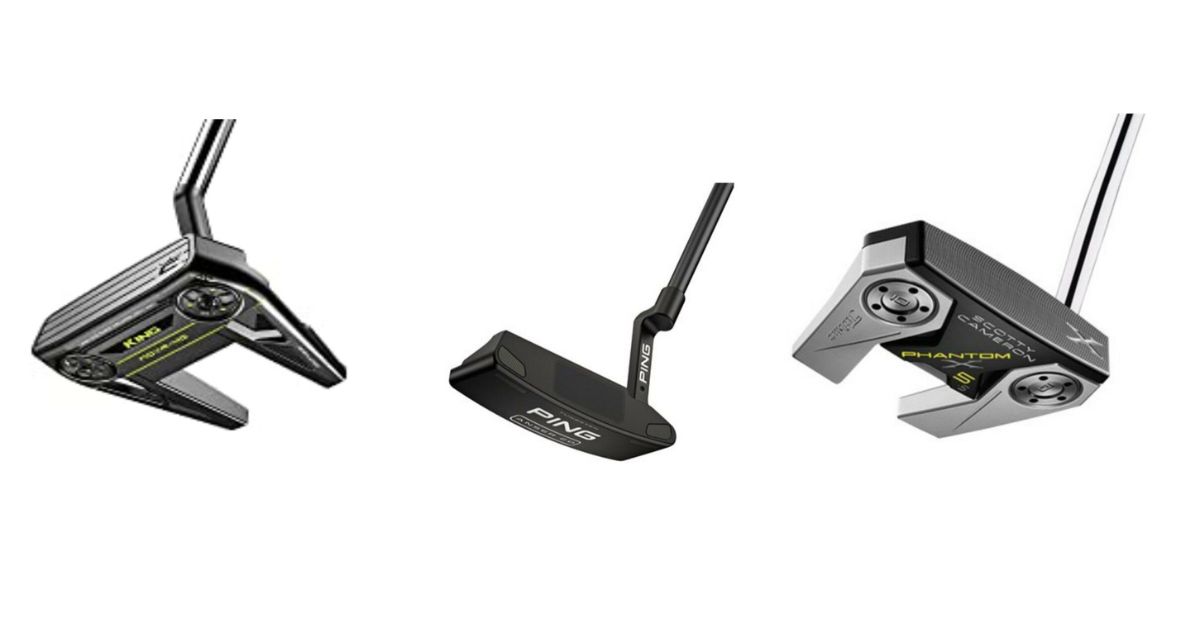
High-MOI putters are designed so as to offer maximum resistance to twisting. To achieve stability, they apply sophisticated methods of weighting and bigger head shapes.
These putters take a very long time to be used on mishits and they also make the face angle more uniform throughout the hitting surface. The main focus is on forgiveness.
High-MOI designs tend to be more popular with golfers who want maximum stability and consistency.
Comparison of the Main Types of Putters
Before choosing a putter, comparing core characteristics can simplify the decision. The table below highlights how each type performs.
| Putter Type | Forgiveness | Feedback | Stroke Style |
| Blade | Low | High | Arced |
| Mallet | High | Medium | Straight |
| Face-Balanced | Medium | Medium | Straight |
| Toe-Balanced | Medium | High | Arced |
| Counterbalanced | Medium | Medium | Mixed |
This comparison shows why no single design suits every golfer.
What to Look for When Choosing a Putter?
A putter needs to be chosen considering the comfort, balance, and confidence. The decision should be made based on the following.
1. Putter Head Design
Head shape determines alignment and address confidence. Blade putters are neat and accurate whereas the mallet putters are stable and forgiving. Consistency is significantly contributed by visual comfort.
2. Alignment Aids
Golfers use aide in alignment when they want to hit the target. Basic lines are fitting to certain players and bright guides assist others. The right orientation causes heightened confidence and enhanced precision in a crisis.
3. Weight and Balance
Weight influences tempo and control. Light putters have greater feels and heavy putters are more stable. The choice of the style of balance must be in line with the stroke path and not necessarily the choice of the individual.
4. Grip and Shaft Comfort
The width of the grip determines the movement and tactile of the wrist. Fatter grips minimize the action of the hands and narrower grips increase feedback. The design of the shaft influences the posture and set up and therefore comfort is crucial.
Best Types of Putters for Beginners
Novices have a problem with distance and alignment. Trying to forgive and being steady is more important than feedback at this point. Mallet putters and high-MOI designs are most often suggested as they do not twist easily and give visual cues. The cheap alternatives can work, so costly equipment is not needed at the beginning.
Best Types of Putters for Intermediate and Advanced Players
The more golfers are better, the more refined are their preferences. Priority is given to feedback, control, and consistency. Putters with blades or milled heads are more popular with many professionals, though mallet designs are still good at higher levels. The most appropriate option is always pegged on comfort and confidence and not just on the level of skills.
Conclusion
Knowledge of the types of putters enables golfers to make suitable decisions in the green. The designs promote a particular stroke, level of forgiveness, and preference of balance. Putting becomes easier and more dependable when golfers select a putter which complements their natural motion. Putters have a variety of different types, but the one that makes them feel comfortable and gives them confidence is the one they will use. Pausing to learn these options would mean better performance, reduced scores and an enjoyable game.
Also Read About: Scotty Cameron Putters: Design, Feel & Performance