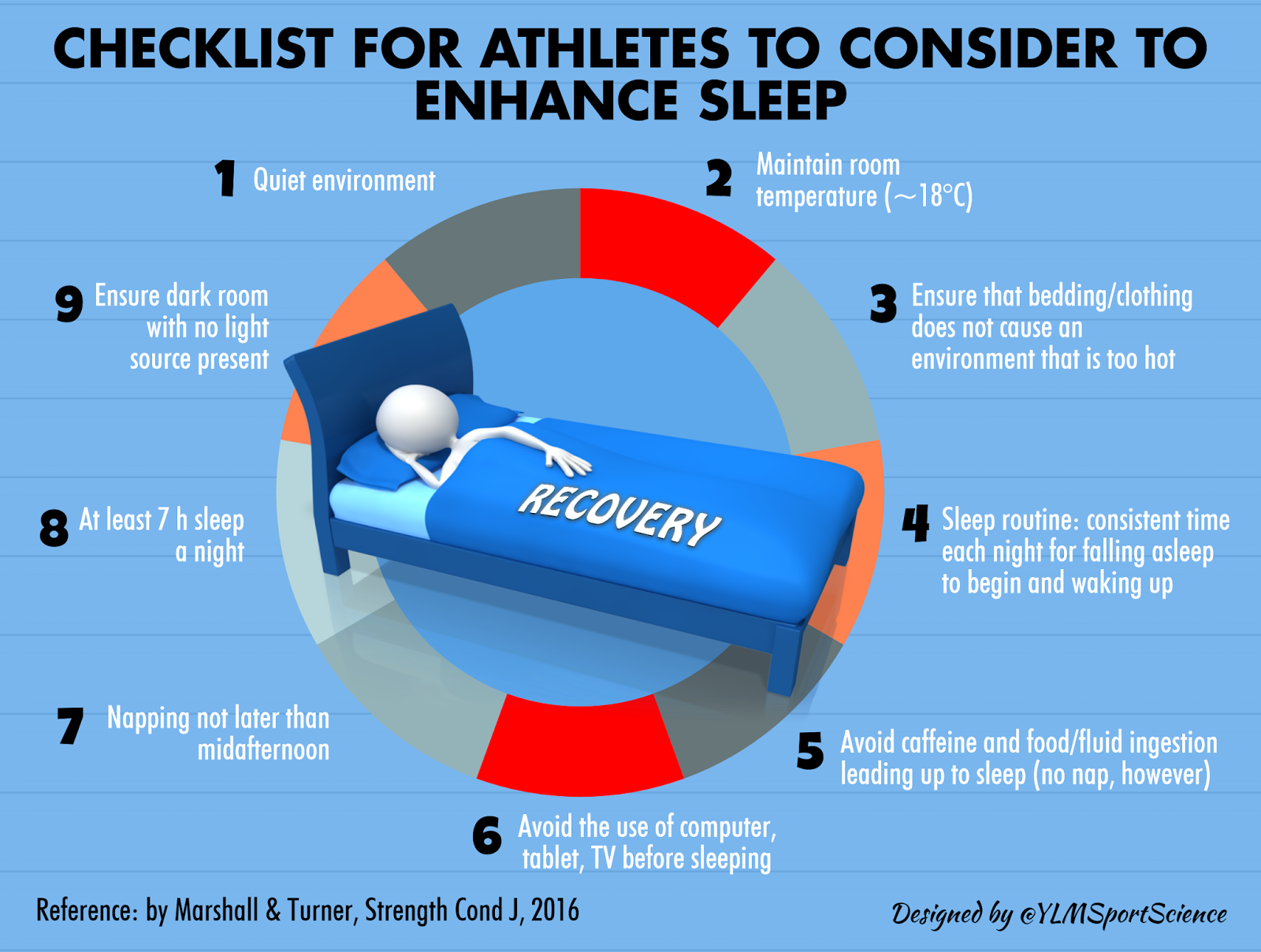
The success of athletics requires discipline, intensity of training, nutrition and above all the quality of sleep. Most athletes are obsessed with exercises and nutrition, yet they do not realize the profound impact of well-organized routines on rest and recovery. Therefore, in the question What Routines Help Athletes Sleep Better, we have to consider science-supported measures directly beneficial in muscle repair, hormone balance, mental acuity, and weight of results in general.
Sleep fuels performance. The deep sleep cycles also help in repairing the micro tears in the muscle tissue, release growth hormone, boosts immune systems and restores the energy systems in the body. Nevertheless, without the correct nighttime routines, athletes are unable to recover in a timely manner, experience mental burnout, and their reaction time declines. As such, we will have to create habits that can be actively utilized to promote effective, restful sleep.
What Routines Help Athletes Sleep Better? Establish a Consistent Sleep Schedule
A rigid and constant sleeping pattern is one of the most effective routines that an athlete can have. The body is governed by a circadian rhythm that governs the sleeping and waking cycles. By regulating the time that we go to sleep and get up every day, we condition the brain to secrete melatonin at a certain time.
We suggest to go to bed and wake up at the same time every day even in weekends. Regularity enhances internal timing. This makes athletes to sleep faster and to wake up more energetic.
Moreover, late-night schedule changes will also be avoided, and this will avoid hormonal imbalance. Provided that bedtime changes several hours, the levels of cortisol and melatonin change erratically. As a result, the sleep is broken and insufficient.
In order to provide the answer to What Routines Help Athletes Sleep Better we should start with routine timing discipline.
What Routines Help Athletes Sleep Better? Build a Powerful Wind-Down Ritual
Sport personalities are in a constant state of adrenaline rush after training. Consequently, a change in high intensity to deep relaxation takes purpose. There is a ritualized process of a wind down that condition the nervous system to relax.
We advise that one should start relaxation at least 60 minutes prior to bed. To begin with, we get rid of screen exposure. Blue light kills melatonin synthesis and postpones the onset of sleeping. Our advice is instead reading, light stretching, breathwork, or journaling.
Also, breathing exercises can be controlled effectively and minimize heart rate. The parasympathetic nervous system is triggered by slowing down nasal breathing. When the tension is relieved, the body is naturally put in the recovery state.
In the case of What Routines Help Athletes Sleep Better, structured pre-sleep relaxation is not a bargaining item.
Optimize the Sleep Environment for Maximum Recovery
The room should be used as a recovery room. Athletes require the deep sleep cycles and more so the slow-wave sleep. Thus, the adjustments in the environment are relevant.
Our room temperatures should be maintained at 60-67 o F (15-20 c). The lower temperature aids in the body reducing the core temperature. Darkness is also very important. The blackout curtains prevent the external light disturbances that block production of melatonin.
Moreover, a quality of a mattress and supportive pillows will alleviate musculoskeletal pressure. Correct spinal positioning enhances comfort and eliminates tossing at night.
Silence increases sleep continuity. Sudden sound interruptions are blocked by white noise machines or earplugs. Hence, athletes remain in restive states.
Environmental control significantly enhances the depth of sleep when investigating What Routines Help Athletes Sleep Better?
Nutritional Timing and Smart Supplement Strategies
Sleep directly depends on diet. An athlete has to be strategic with his/her food to avoid interference with digestion during bedtime.
We suggest that heavy meals should be taken at least 2 hours before bedtime. Big evenings are consumed late, thus raising the metabolic rate and slowing down the relaxation. Rather, calming is promoted by light snacks that are high in magnesium or tryptophan. Such foods as almonds, bananas and turkey can make one feel relaxed naturally.
Equilibrium is also needed in hydration. Although hydration aids in recovery, excess of fluids before bed enhances night awakenings. Hence, athletes need to reduce water intake an hour prior to bedtime.
Also, other athletes experiment with relaxation products, including Delta 8 gummies. Utilized in a responsible and regulated manner alongside legal and rules, some athletes indicate that there are calming effects that counter overstimulation of the mind. Nevertheless, it is necessary to ensure that anti-doping rules are upheld prior to the usage of any supplement by athletes.
Therefore, essential timing of the diet is a response to another segment of What Routines Help Athletes Sleep Better?.
Exercise Timing and Recovery Scheduling
Exercise enhances the quality of sleep but time is a key concern. Trainings conducted regularly will encourage even deeper sleep in the slow-wave. Nevertheless, extreme exercises in the evening before sleep increase adrenaline levels and cortisol.
We suggest that high intensity sessions be done at least three hours prior to bedtime. This buffer enables normalization of the heart rate and core temperature.
Vitality recovery, including mobility exercises or evening light yoga, in fact, improves the process of sleep. These slow movements decelerate the stiffness of the muscles and relax the nervous system.
In the case of What Routines Help Athletes Sleep Better, physiological preparedness to sleep can be achieved by having adequate training timing.
Mental Reset Techniques to Reduce Performance Anxiety
Sportspeople are exposed to competition pressure. Mental overactivity is aroused by game anticipation, the pressure of competition and internal expectations.
We have systematic mind clearing techniques. To begin with, journaling can be used to get rid of racing thoughts. Jotting down priorities of the next day eliminates clutter of the mind. Second, meditation decreases cognitive arousal. Third, gratitude reflection redirects emotions towards relaxation.
In addition, we do not recommend performance analysis at late hours. Watching game footage just before going to sleep makes one think analytically and emotionally. Rather, plan at the beginning of the day.
Relaxing the psychological tension is important in responding to What Routines Help Athletes Sleep Better?.
Morning Light Exposure and Daytime Habits
To my surprise, the sleep during the night starts earlier in the morning. The circadian rhythms are enhanced by exposure to natural sunlight in the morning (the first hour after waking up).
We advise athletes to go out during the day or train during daytime. Light sets the mood of being awake and manages the sleeping routine in the evening.
Moreover, pressure in the nighttime sleep is enhanced by a restriction of daytime naps. Naps that are shorter than 30 minutes are effective. The longer naps decrease the sleep drive and postpone bedtime.
Thus, day time organization has a direct impact on the answer to What Routines Help Athletes Sleep Better?
Recovery Technology and Tracking Optimization
Contemporary athletes use information. The devices used in monitoring sleep capture the amount of time, heart rate variation, and sleep waves. Although tracking is a form of awareness, data obsession brings about anxiety.
We suggest that sleep measures should be used as a guide rather than a form of pressure. Look at trends but not one night fluctuations.
Prior evening exposure to cold and contrast therapy could enhance readiness to recover. Nevertheless, sleep alertness may be induced by extreme temperature therapy right before bed. Timing remains critical.
Through the incorporation of smart recovery tools in a prudent manner, the athletes boost the base of What Routines Help Athletes Sleep Better?
Comprehensive Routine Overview
| Routine Category | Key Action | Direct Benefit | Performance Impact |
| Sleep Schedule | Fixed bedtime & wake time | Strong circadian rhythm | Faster sleep onset |
| Wind-Down Ritual | Screen removal & breathwork | Lower heart rate | Deeper sleep |
| Environment Optimization | Cool, dark, quiet room | Increased melatonin | Better recovery |
| Nutritional Timing | Light evening meals | Reduced digestion stress | Improved rest |
| Exercise Timing | Finish training early | Lower cortisol | Enhanced deep sleep |
| Mental Reset | Journaling & meditation | Reduced anxiety | Sharper focus |
| Morning Sunlight | Early light exposure | Balanced rhythm | Higher energy |
| Tracking Strategy | Monitor trends only | Less stress | Consistent progress |
Long-Term Discipline Builds Elite Recovery
When athletes ask, What Routines Help Athletes Sleep Better?, the answer lies in consistency, intentional timing, and physiological awareness. Small adjustments compound over time. Sleep improves gradually but powerfully when routines remain disciplined.
We must protect sleep as aggressively as we protect training schedules. Elite performance requires elite recovery. When athletes commit to structured wind-down rituals, environmental control, nutritional precision, and psychological balance, they unlock higher endurance, sharper reaction times, and improved muscle regeneration.
Sleep is not passive. It is an active performance strategy.
Final Thoughts on What Routines Help Athletes Sleep Better?
We have examined practical, science-backed systems that directly elevate athletic recovery. From consistent sleep timing to strategic exercise scheduling, every habit strengthens restorative cycles. Furthermore, mental relaxation, optimized environments, and balanced nutrition complete the recovery equation.
When we implement these structured habits daily, we transform sleep from an afterthought into a competitive advantage. Ultimately, athletes who master sleep mastery outperform those who neglect it.