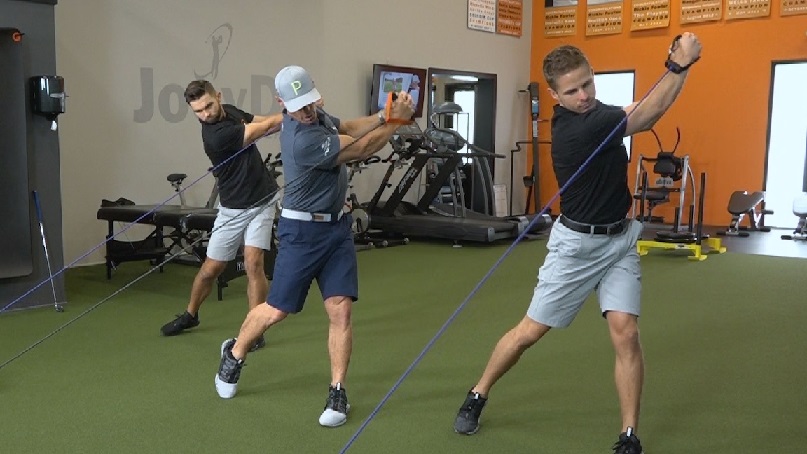
Golf still sells itself as a walk in the park with a bag over your shoulder and a calm mind. That picture leaves out what modern golf actually demands. The swing is explosive. Rounds are long. Travel is constant. Recovery matters more than it used to. Serious golfers know the game does not live only on the range anymore. It lives in the gym, too, not as a vanity project, but as a performance decision.
The quiet truth is that today’s committed players train like athletes because that is what the game now asks of them. Strength, mobility, and endurance show up on the scorecard even if no one sees them during a Saturday foursome.
Strength Training Protects the Swing You Already Have
Most golfers are not chasing speed for bragging rights. They are trying to keep the swing they trust intact over a full season. Strength training does that by supporting the joints and muscles that absorb rotational force hundreds of times a week. A stronger core stabilizes the spine. Stronger hips protect the lower back. Balanced upper body strength keeps the shoulders working together instead of fighting each other.
This is not about bulking up or turning a fluid motion into something stiff. Smart gym work preserves range of motion while giving the body the support it needs to repeat a swing under pressure. The payoff shows up late in a round when fatigue usually invites compensations and small mechanical leaks.
Recovery Is Part of Training, Not an Afterthought
Serious golfers learn quickly that practice without recovery leads nowhere good. Muscles that never fully recover lose efficiency. Joints get cranky. Focus slips. The gym becomes a place not just to train but to reset.
Facilities that include mobility work, stretching areas, and even gyms with pools offer something golfers cannot get on the course. Water-based movement reduces joint stress while improving circulation. Light swimming or pool walking speeds recovery after long practice sessions and tournament rounds. It also helps players stay active on days when impact feels like the wrong call.
This kind of recovery-focused training keeps golfers practicing more consistently across the year, not in short bursts followed by forced layoffs.
Mental Reset Matters as Much as Physical Recovery
Competition taxes the mind as much as the body. Missed putts linger. Bad swings replay themselves on the drive home. The gym offers a clean mental break that the range does not always provide.
Strength sessions demand focus without emotional baggage. Cardio clears mental static. For many players, a post-round workout becomes a way of relaxing after competition without replaying every hole in their head. The rhythm of movement gives the nervous system a chance to downshift. That reset carries into the next practice or round with a clearer head and better emotional control. Over time, this matters as much as any swing tweak.
Endurance Separates the Strong Finishes From the Slow Fades
Eighteen holes test more than skill. They test posture, concentration, and patience. Add heat, walking, or multiple rounds in a short window, and fatigue becomes a silent opponent.
Gym training builds the kind of endurance that keeps mechanics stable late in the day. Cardiovascular work supports consistent tempo. Strength endurance helps maintain posture through the final holes instead of standing taller and flipping at the ball. Players who train for endurance finish rounds with options. Players who do not often feel like they are surviving instead of competing.
Mobility Keeps Small Issues From Becoming Big Problems
Most golf injuries do not arrive dramatically. They creep in through tight hips, limited thoracic rotation, or shoulders that stop moving the way they should. The gym is where these issues get addressed early.
Regular mobility work keeps joints moving freely and symmetrically. It reduces the stress placed on the lower back and elbows. It also allows golfers to maintain speed without forcing it. The result is longevity. Careers last longer. Seasons feel less fragile. Golf becomes something you can play hard without constantly negotiating with your body.
Training Brings Structure to an Unstructured Sport
Golf practice can drift. One bucket turns into three. A putting session stretches long without purpose. The gym adds structure and accountability. Programs are measurable. Progress is trackable. Small gains accumulate quietly. That structure complements the artistry of golf rather than competing with it. It gives players a sense of forward momentum even when swing changes feel messy or scores temporarily stall. This balance between discipline and feel is part of what separates committed amateurs and professionals from casual players who rely on timing alone.
The Long View
Golf rewards patience. So does training. The players who commit to the gym are not chasing overnight transformations. They are investing in repeatability, resilience, and a body that can support the game they want to play for years.
The range sharpens skills. The gym protects them. The best golfers understand that those two spaces are no longer separate worlds. They are partners in the same pursuit.