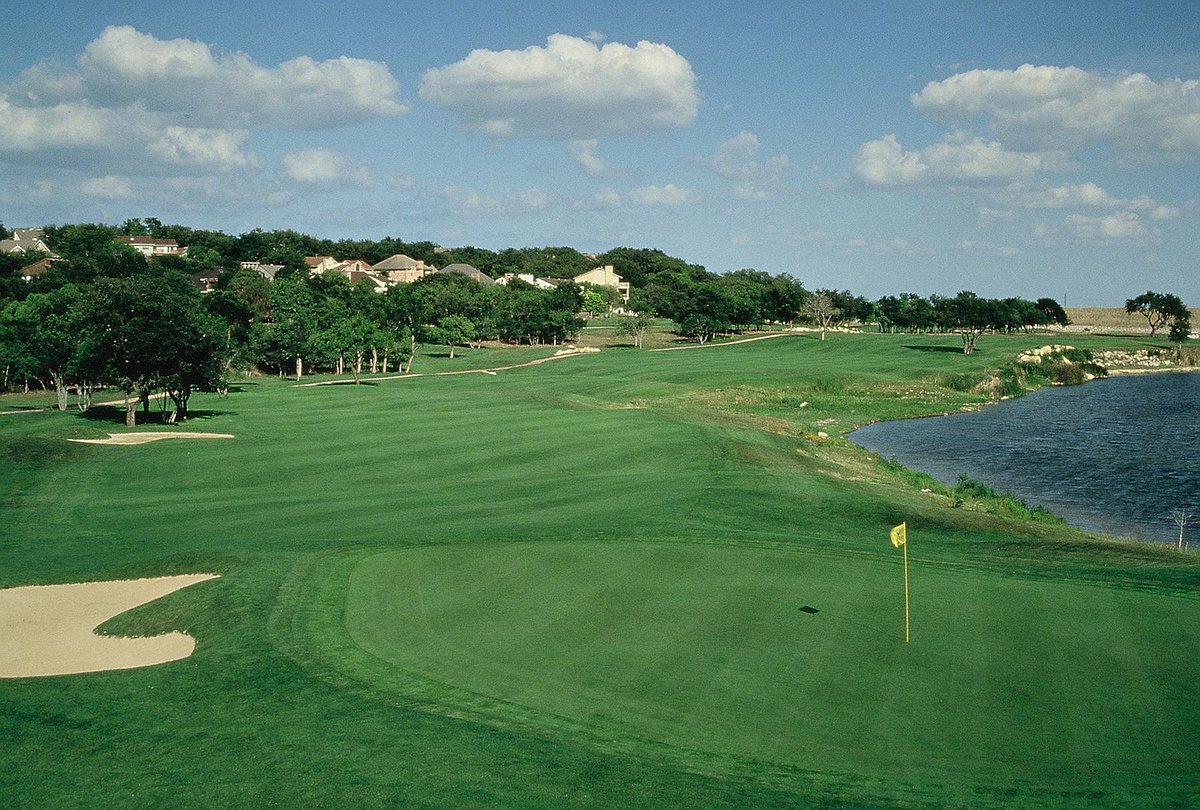
To residents and golfers, a pristine golf course community can feel effortless. Fairways look lush, landscaping stays tidy, amenities function smoothly, and the neighborhood maintains a polished, welcoming feel year-round. What’s easy to miss is the constant coordination required to make that experience look seamless, especially in a climate like San Antonio’s where heat, drought cycles, and seasonal wear all place real demands on the land and infrastructure.
Behind every well-maintained golf course community is a web of planning, expertise, and ongoing decision-making. These neighborhoods sit at the intersection of real estate, recreation, and operations. That means success depends not only on agronomy and design, but also on governance, budgeting, and long-term maintenance strategies that work quietly in the background. Let’s look at the unseen work that keeps San Antonio golf course communities running smoothly.
Why HOA Management in San Antonio is Critical for Golf Course Communities
Golf course communities place unique demands on homeowners associations. In addition to typical residential responsibilities, boards must account for course adjacency issues, shared amenities, irrigation systems, landscaping standards, and ongoing coordination with course operators or maintenance teams. Without experienced support, these overlapping responsibilities can quickly overwhelm volunteer boards.
Professional HOA management in San Antonio brings structure to complex environments by overseeing vendor coordination, budgeting, compliance, and resident communication. For golf course communities, this means ensuring that course-adjacent areas remain safe and attractive while aligning community standards with the realities of course maintenance.
Professional management also helps boards anticipate issues rather than react to them. From managing seasonal maintenance schedules to coordinating repairs that affect both residents and golfers, experienced managers keep moving parts aligned. That consistency is a major reason some golf communities age gracefully while others struggle with deferred maintenance and resident dissatisfaction.
Grass Choices Are More Strategic Than Most Residents Realize
Grass is the most visible feature of any golf course community, yet it’s also one of the most complex. Different grasses respond differently to heat, foot traffic, water availability, and maintenance intensity. Choosing the right turf is not just a design decision. It’s an operational one.
Traditionally, natural turf varieties have dominated golf course landscapes, but that approach is evolving. Some communities are incorporating synthetic turf in targeted areas to reduce water usage, maintenance costs, and downtime.
This doesn’t mean replacing fairways wholesale. Instead, artificial grass is often used strategically around high-traffic zones, practice areas, or decorative landscaping where durability and consistency matter most. For San Antonio communities facing water constraints and extreme heat, blending turf options can improve resilience while preserving aesthetics.
Infrastructure Maintenance Goes Far Beyond the Greens
While grass gets the attention, much of the real work happens underground or out of sight. Irrigation systems, drainage networks, cart paths, lighting, and utility access all require constant monitoring and periodic upgrades.
In San Antonio, heavy rains followed by long dry stretches can strain drainage systems and irrigation infrastructure alike. If these systems aren’t properly maintained, small failures can cascade into major issues that affect both course conditions and nearby homes.
Well-run golf course communities treat infrastructure as a living system rather than a one-time installation. Regular inspections, reserve planning, and proactive repairs prevent emergencies that disrupt residents and golfers alike.
Coordination Between Course Operations and Residential Needs
One of the most delicate aspects of golf course communities is aligning course operations with residential expectations. Early-morning maintenance, fertilizer applications, equipment movement, and seasonal renovations all impact daily life for nearby homeowners.
Effective coordination reduces friction. Clear communication about schedules, safety measures, and temporary disruptions helps residents understand the why behind necessary work. This transparency builds trust and reduces complaints that can otherwise drain HOA energy.
Communities that handle this well tend to have established protocols and communication channels that keep everyone informed without overloading residents with unnecessary details.
Financial Planning Keeps Beauty Sustainable
Maintaining a golf course community is not inexpensive. Landscapes, amenities, and infrastructure all require ongoing investment. The difference between communities that thrive and those that decline often comes down to financial planning.
Strong reserve studies and realistic budgeting allow HOAs to address major needs before they become crises. This is especially important in golf communities, where deferred maintenance can quickly become visible and costly.
Thoughtful financial planning also supports smarter long-term decisions, such as investing in durable materials, exploring water-saving technologies, or phasing upgrades to minimize disruption.