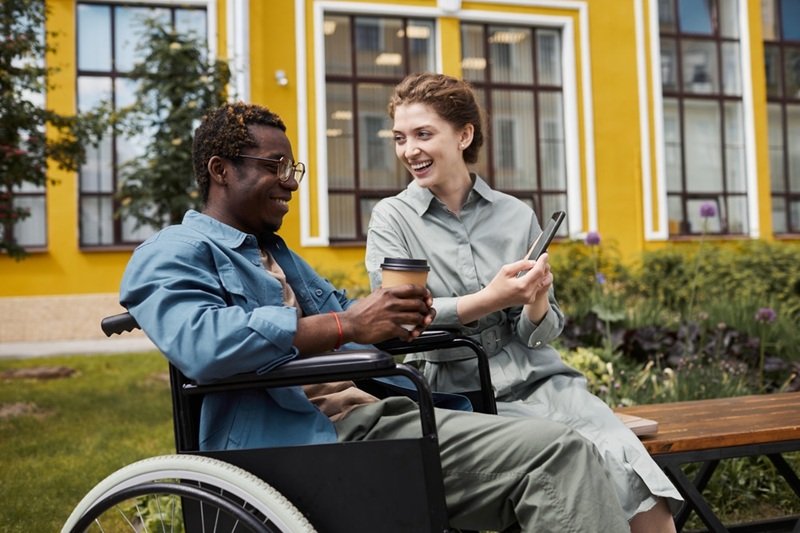
Improving access to leisure and outdoor activities is an important part of building fair and welcoming communities. Leisure time helps people relax, learn new skills, and feel connected to others. Outdoor activities provide fresh air, movement, and joy. For people with disability, these moments can be harder to reach due to barriers like transport issues, inaccessible spaces, or lack of support.
When these barriers are reduced, people gain more freedom to enjoy hobbies, spend time outdoors, and participate meaningfully in community life.
Trusted NDIS providers such as TQN Care understand that community access support isn’t just about attending activities—it’s about enabling genuine participation that enhances wellbeing and social connection.
Why Leisure Access Matters
Leisure activities aren’t luxuries—they’re a normal part of everyday life. Everyone deserves the chance to enjoy a walk, participate in a hobby, or spend time with friends. For people with disability, small changes can make a big difference. Simple support can turn a missed opportunity into a meaningful experience.
Leisure and outdoor activities support physical health, mental wellbeing, and social connection. They help people feel balanced and confident. For people with disability, access often depends on thoughtful planning, safe environments, and appropriate assistance.
Understanding Barriers to Leisure Access
Physical and Environmental Barriers
Many outdoor spaces aren’t designed with all users in mind. Uneven paths, narrow entrances, lack of seating, steps instead of ramps, and inaccessible restrooms can all limit participation. These barriers can make activities tiring or unsafe. When environments are improved, people can move with more comfort and confidence.
Social and Attitudinal Barriers
Sometimes the barrier isn’t physical—it’s social. People with disability may feel unwelcome or misunderstood in group activities. Others may not know how to offer help respectfully. Inclusive attitudes matter. When staff and community members understand disability, activities become more open and relaxed for everyone.
Transport and Planning Challenges
Getting to activities can be one of the biggest obstacles. Public transport may not be accessible or reliable. Travel takes more time and energy. Planning is often needed for personal care, rest breaks, and safety considerations. Without adequate support, many people miss out on leisure opportunities close to home.
Real-world example: Marcus loves swimming but stopped going to the local pool after his mobility declined. “The pool had accessible change rooms, but I couldn’t get there—the bus didn’t have a working ramp half the time,” he explains. When he arranged NDIS community access support, his support worker drove him twice a week and assisted with entering the pool. “Now I’m swimming again, my mood’s better, and I’ve reconnected with people I used to see at the pool.”
Inclusive Leisure Activities That Work
Gentle Sports and Recreation
Gentle sports offer excellent opportunities for inclusive leisure. Activities like bocce, adaptive tennis, or lawn bowls allow people to enjoy the outdoors at a comfortable pace. Venues can be adapted with accessible paths, seating, and equipment modifications to support different needs.
These sports also encourage social interaction—participants can talk, share time together, and enjoy being outdoors. This makes them valuable for community participation.
Walking, Gardening, and Nature Programs
Simple outdoor activities can be deeply meaningful. Guided walks with rest stops, community gardening projects, and nature programs offer fresh air and gentle movement. These activities support mental health and reduce stress. With clear paths and accessible facilities, many people with disability can participate comfortably.
Creative and Social Outdoor Events
Outdoor art classes, group picnics, music events, and local festivals support inclusion by focusing on shared experiences rather than physical ability. They help people build friendships and feel part of their local community.
The Role of Support Workers in Community Access
Support workers play a crucial role in enabling leisure participation. They help turn plans into real experiences through transport assistance, personal care support, and companionship. With appropriate support, people can enjoy hobbies safely and confidently.
TQN Care’s community access services help people participate in activities they enjoy—whether that’s attending sports events, visiting parks, going to social groups, or pursuing hobbies. This support reduces anxiety in new environments and ensures people can engage meaningfully in their communities.
What community access support includes:
- Transport to and from activities
- Assistance with mobility aids
- Support with personal care needs during outings
- Companionship that builds confidence
- Help navigating new environments
- Facilitation of social interactions when needed
Real-world example: Elena wanted to join a local art class but felt anxious about going alone. Her support worker accompanied her to the first few sessions, helping her settle in and meet other participants. “After a few weeks, I knew everyone and felt comfortable,” Elena says. “Now my support worker just drops me off and picks me up. The class has become a highlight of my week.”
Designing Communities for Inclusion
Inclusive communities consider accessibility from the start, not as an afterthought. This includes accessible pathways, clear signage, flexible programs, and staff training. Local councils, sports clubs, and event planners all play important roles.
Key elements of inclusive community design:
- Step-free access to parks, sports facilities, and public spaces
- Accessible restrooms and change facilities
- Rest areas with seating throughout outdoor spaces
- Clear, high-contrast signage
- Programs that accommodate different abilities
- Staff trained in disability awareness and inclusive practices
When accessibility is built into planning, fewer costly adjustments are needed later. Inclusion becomes a normal part of community life rather than a special consideration.
NDIS Funding for Community Access
Through the NDIS, many Australians can access funding for community participation supports. This funding can cover:
- Support worker assistance to attend activities
- Transport to recreational programs
- Equipment needed for participation
- Skill development for community engagement
This funding recognizes that community participation is essential for wellbeing and quality of life, not just a nice extra.
Long-Term Benefits of Accessible Leisure
Accessible leisure supports health over time. Regular outdoor activity improves physical strength and mood. Social participation reduces isolation and builds meaningful relationships. People gain routine, purpose, and connection.
Benefits extend beyond individuals:
- For families: Shared leisure activities create stronger relationships and mutual understanding
- For communities: Inclusive spaces are used by more people and feel welcoming and vibrant
- For society: When everyone can participate, communities become healthier, more connected, and more compassionate
Conclusion
Improving access to leisure and outdoor activities helps create a fair and caring society. Everyone deserves time to relax, have fun, and connect with their community. Accessible spaces bring confidence and joy. They help people feel included and respected.
Small changes can open significant opportunities. With thoughtful design and appropriate support, leisure becomes accessible and enjoyable for all. When communities prioritize inclusion, outdoor activities become shared moments of happiness that strengthen the entire community.
Accessibility isn’t an extra consideration—it’s essential for creating communities where everyone can participate, contribute, and thrive.