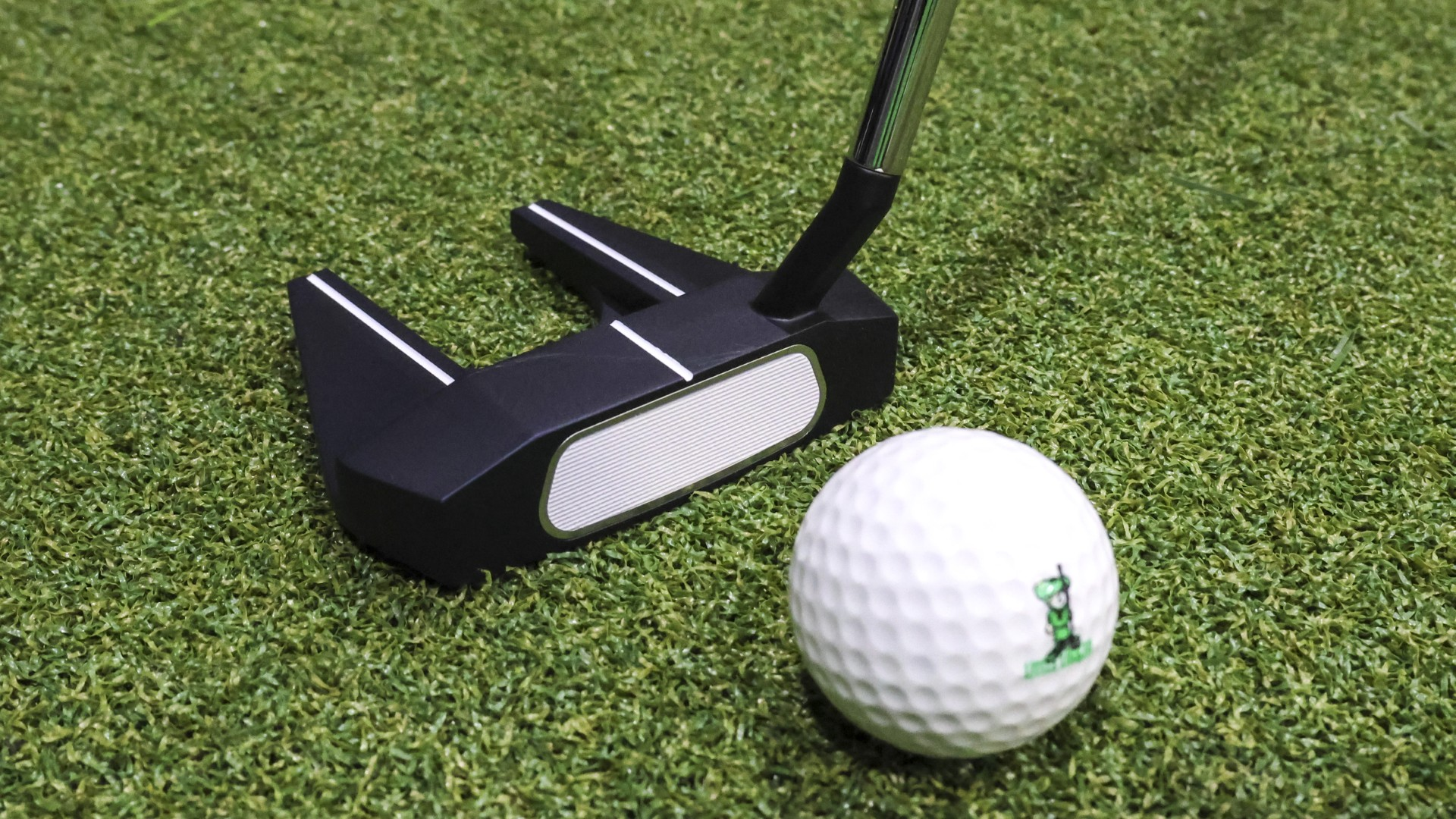
The low compression golf balls are made in such a way that they assist the golfers to gain better consistency, cleaner contact and enhanced feel throughout the round. These balls do not require high swing speeds to implement performance, instead they compress on impact and recover energy effectively. The design has made them appropriate to many golfers, not only amateur ones.
Most amateur golfers have problems with the distance control, the side spin and unequal ball flight. The ideal way of dealing with these challenges is by using low compression golf balls which make the launching conditions smooth and limit the excessive curvature. Instead of having a shot that is good and one that is bad, these balls assist golfers to have a repetition of that shot after a hole.
This guide discusses the way low compression golf balls are manufactured, their performance in various clubs, the type of players who will find them the most beneficial as well as the reason why they continue to be one of the most viable equipment options in the contemporary golf.
Highlights Overview: Low Compression Golf Balls & Performance Snapshot
The low compression golf balls have been placed in a moderate position in the golf ball market. They are not placed in the elites tour category and they are not only geared towards the beginners. They instead appeal to golfers who desire stability, predictability and confidence when playing in real conditions.
Internal structure, compression profile, and cover material are adjusted to reduce extreme spin and volatility in the performance. It results in more accurate tee shots, more consistent distances with iron carry, and softer response to short shots and putts. Low compression golf balls are not maximized on the performance metric of any single measure; instead, they ensure that errors are minimized and that scoring is more consistent throughout an entire round.
What Defines Low Compression Golf Balls?
Compression is the measure of the degree of deformation of a golf ball when hit. The deformation of low compression golf balls is easier and as such golfers with moderate or slower swing speeds are able to engage the core action.
The majority of low compression balls are below the mid-compression section and made to react effectively without having to swing strongly. This allows them to be easier to launch and forgiving when struck off center.
The lower impact resistance assists players to retain ball speed and minimise unwanted spin. Consequently, even when contact is not ideal, shots become flown less erratically and hit their target more precisely.
Why Golfers Choose Low Compression Golf Balls?
Golfers use low compression golf balls as they make the game easier. These balls mean that the players do not have to swing harder to get distance and they also make the players keep rhythm in the round.
The reduced compression dampens the feel of impact, enhancing the feedback of the putts and chips. Several golfers have been quoted saying they have become much more confident when making short shots as the ball is more predictable when coming off the face.
The other factor that makes golfers use such balls is durability. Most of the low compression models are designed to endure repetition thus being economical to the players who practice and play a lot.
List of Popular Low Compression Golf Balls
Low compression balls are available across several major brands, each offering slightly different performance characteristics while maintaining the same core philosophy.
Commonly played models include:
- Srixon Soft Feel
- Callaway Supersoft
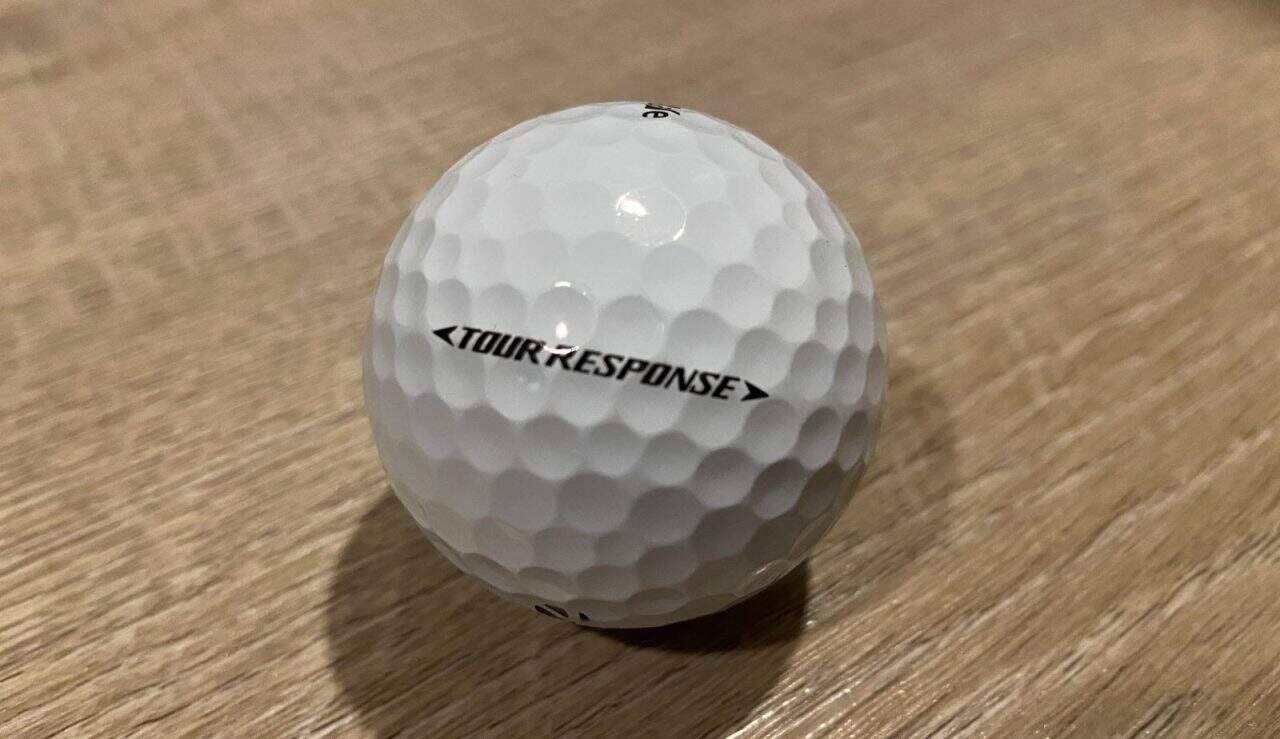
- TaylorMade Tour Response
- Srixon Q-Star Tour
- Noodle Long & Soft
- Titleist Tour Soft
- Wilson Duo Soft
- Wilson Triad
All of these products are consumer golf balls manufactured by established companies. They are designed for real-world play rather than controlled testing environments.
Construction Types Used in Low Compression Golf Balls
Majority of low compression golf balls are manufactured in two or three piece design. Two-piece balls concentrate on forgiveness, durability, and straight flight, which make them the right choice of a golfer who prefers straight flight and accuracy at the same time.
Three-piece low compression golf balls add another layer which enhances feel and spin control without raising the overall firmness. This enables golfers to have control of short-games and at the same time still be forgiving off the tee. The construction option has an influence on the energy transfer during impact and the behavior of the ball in dissimilar clubs particularly the wedges and the irons.
Cover Materials and Their Influence on Performance
The feel, spin, and durability are largely dependent on the cover material of a golf ball. Balls with low compression are often covered with urethane or ionomer. Ionomer covers are thicker and tougher in nature that assist in reducing spin and increasing ball life. These are the best covers that a golfer would enjoy straight flight and durability. Urethane covers are even soft and more frictional when struck. Urethane in low compression design is tuned such that it provides controlled spin without being over sensitive to mishits.
Low Compression Golf Balls and Player Skill Levels
Low compression golf balls can be used by a large variety of golfers since they can be adjusted to various speed of swing and various styles of play. The advantage of high handicap golfers is that it is easier to launch the ball and side spin is minimized to keep the ball in play. The scale between forgiveness and short-game control is valued by mid-handicap golfers. Even low handicap golfers can opt to use low compression golf balls when they are on firm golf courses or in windy conditions or when they are on a casual round of golf. Ball choice is not dependent on level of skills. Stability and familiarity can be more important than compressibility scores.
Estimated Pricing and Market Position
Low compression balls are available across a broad pricing range, depending on construction and cover material.
Estimated retail pricing:
- India: ₹1,800 – ₹4,700 per dozen
- USA: $20 – $48 per dozen
- UK: £18 – £40 per dozen
These prices position low compression golf balls as accessible options that deliver strong value without reaching tour-premium cost levels.
Estimated Membership Fees Where These Balls Are Commonly Played?
Golfers who use low compression balls often play at clubs where consistency and enjoyment take priority over professional competition.
| Club Type | Estimated Annual Fee |
| Local Private Club | $1,000 – $3,000 |
| Regional Championship Club | $3,500 – $7,000 |
| Premium Country Club | $8,000 – $15,000 |
Equipment choices at these clubs often emphasize reliability and comfort rather than experimentation.
Durability and Long-Term Ownership
One of the greatest features of low compression golf balls is durability. The models used are covered with ionomer which makes the model resistant to scuffing and can be played on several rounds. The urethane models are less rigid and also have reasonable life span. Since it does not require any subscriptions or proprietary systems to use, golfers are able to use the same model year after year without being forced to upgrade or compatibility problems.
Visual Simplicity and Alignment Confidence
Minimal visual designs are usually clean and do not have much to see on low compression golf balls. Alignment aids are even very discreet and serve the purpose of assisting the golfers to line their putts without interference. This ease contributes towards confidence in address and helps to establish regular set up routines particularly on the greens.
Performance Summary at a Glance
Low compression balls provide consistent tee shots, iron distance, spin control in the short game and a soft putt. They minimize high and low performance swings and assist golfers to better cope with rounds. Instead of generating one or two remarkable shots, these balls sustain consistent scoring and lower risk.
Conclusion: Why Low Compression Golf Balls Remain a Smart Choice?
The low compression golf balls are also applicable since they can be used with the way most golfers play. They celebrate elegant movements, restrained rhythms, and deliberate choices of shots. Low compression balls to players with a preference of consistency, feel and long-term value may continue to be one of the most consistent equipment options any golfer has in modern golf.
Also Read About :- Ping G440 LST Driver Review