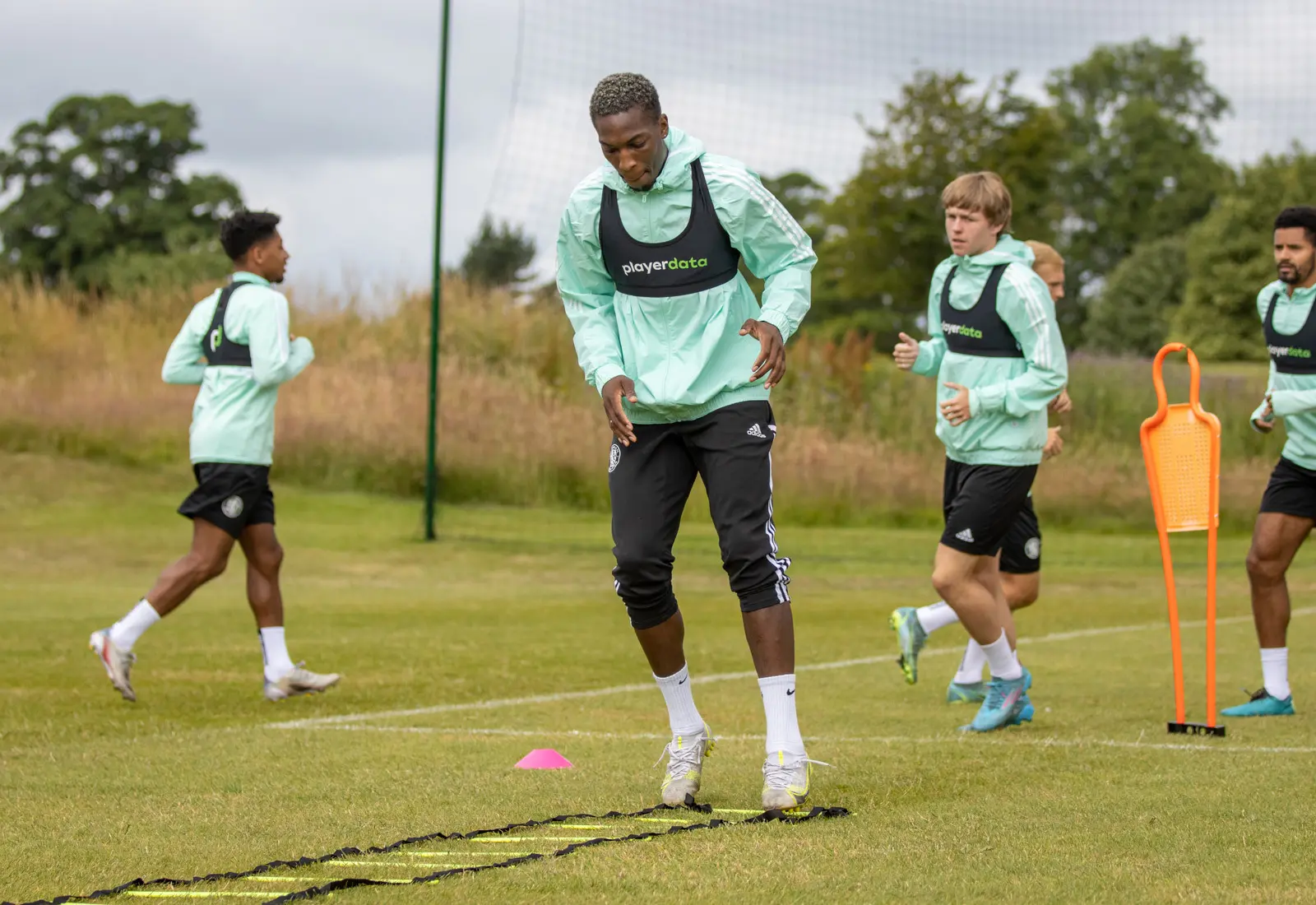
As a footballer, you’re constantly striving for greatness. Whether you’re training, playing matches, or pushing your limits, there’s always a need to stay at your peak. But here’s the tricky part: rest are just as important as your drive to be competitive. In fact, the ability to balance these two is crucial for long-term success. If you don’t know how to switch off and relax, you risk burning out. On the flip side, if you relax too much, you lose that edge to compete. So, how can footballers balance relaxation with their competitive drive?
Let’s break it down into actionable advice that you can easily apply to your routine.
Understand Why Relaxation Matters
Before we dive into how to relax while maintaining that competitive edge, let’s quickly go over why relaxation is so crucial for footballers.
Football is a demanding sport, both mentally and physically. Your body takes a hit with each tackle, sprint, and shot. Over time, this stress accumulates. If you don’t allow your muscles, joints, and mind to recover, you’ll eventually face fatigue, injury, or worse, burnout.
Relaxation is more than just kicking back with a remote; it’s about giving your body the time it needs to recharge so you can come back stronger. The key is finding a balance. Without proper relaxation, your competitive drive will start to fade because your body will simply be too exhausted to perform.
The Power of Active Rest
Taking a break means doing absolutely nothing. But that’s not quite the case. Active rest is when you stay active but at a lower intensity. It helps promote circulation, reduce muscle soreness, and keep your body in a good rhythm without pushing it too hard.
Here are some ways to incorporate active rest:
- Light jogging: A slow-paced run or jog can help get the blood flowing without taxing your muscles.
- Stretching: Focus on flexibility. Stretching reduces tightness in muscles and can prevent injury.
- Swimming: This is a fantastic way to stay active without putting any impact on your joints. It’s gentle on the body but great for overall conditioning.
- Yoga: A relaxed yoga session will stretch and strengthen your muscles while calming your mind.
When you’re in your downtime, try to avoid being completely sedentary. Instead, stay active at a low intensity to help keep your muscles in recovery mode while not losing too much momentum.
Why Mental Relaxation is Key
Physical recovery is essential, but so is mental recovery. Footballers are always thinking, analyzing, and reacting. It’s mentally exhausting. After a long training session or a tough match, your mind needs time to switch off.
Mental relaxation helps you:
- Reduce stress levels
- Improve focus for your next session or game
- Maintain a calm and clear mindset during high-pressure moments
Here’s how you can relax mentally:
- Mindfulness or Meditation: Even just 10 minutes of sitting quietly and breathing deeply can clear your mind. It helps reset your focus and keeps stress at bay.
- Visualization: Instead of just watching TV during your downtime, spend some time visualizing your next game or training session. Picture yourself making successful plays or executing a perfect pass. It’s a great way to stay mentally sharp while relaxing.
- Reading: Dive into a book that isn’t about football. Whether it’s fiction or a motivational biography, reading lets your mind take a break from the game while still keeping you mentally engaged.
Sleep: The Ultimate Recovery Tool
Nothing beats the power of a good night’s sleep. It’s when your muscles repair, your mind resets, and your energy gets restored. As a footballer, you need quality sleep to perform at your best.
Here’s why sleep is so essential:
- Muscle Repair: Growth hormone is released during sleep, which helps repair muscles after training or a match.
- Mental Clarity: Sleep improves cognitive function, decision-making, and reaction time, which is vital on the field.
- Mood Regulation: Adequate sleep helps regulate your mood, which is important for staying positive and motivated.
Aim for at least 7–9 hours of sleep every night. Create a relaxing bedtime routine, like avoiding screens an hour before bed or drinking chamomile tea to wind down.
Using CBD Oil for Relaxation and Recovery
Now, let’s talk about a product that’s becoming increasingly popular among athletes: CBD oil. CBD is a natural compound found in cannabis, and while it won’t get you high, it has some amazing benefits for relaxation and recovery.
Here’s how CBD oil can help you:
- Reducing Inflammation: Footballers are prone to inflammation due to constant movement and impact. CBD oil can help reduce this inflammation, making recovery easier.
- Easing Muscle Tension: After intense training or a game, CBD oil can help relax your muscles and relieve tension.
- Improving Sleep: CBD has been shown to promote better sleep quality, which is essential for recovery.
- Mental Relaxation: CBD can help reduce anxiety and stress, allowing you to stay calm and composed during downtime.
You can use CBD oil in various forms, including tinctures, capsules, and even gummies. If you’re not into oils, CBD gummies are a great option. They’re easy to take, and they taste good too! A daily dose can make a world of difference in how well you relax and recover.
If you’re considering adding CBD oil to your routine, start with a small dosage and see how your body responds. Always consult a healthcare professional before introducing any new product to your regimen.
Maintaining Discipline in Your Downtime
Here’s the reality: relaxation doesn’t mean losing your discipline. In fact, relaxing in a disciplined way helps you come back stronger. The best athletes know that downtime isn’t about being lazy, it’s about making sure you’re in the right mindset and condition to perform at your best.
Here are a few tips to stay disciplined:
- Plan Your Downtime: Instead of just winging it, schedule your downtime just like you schedule your training. Make time for relaxation and recovery so you don’t feel guilty about it.
- Set Goals for Your Rest: Just like in training, set small goals for your downtime. For example, aim to get 8 hours of sleep, stretch every day, or meditate for 10 minutes. Treat rest as part of your training program.
- Avoid Overindulgence: Downtime is not an excuse to overeat or sit around for too long. You still need to eat healthy and stay somewhat active. Balance is key.
Remember, relaxation doesn’t mean giving up on your competitive drive. It’s about taking care of your body and mind so you can maintain that drive for the long haul.
Keeping Your Nutrition in Check
The food you eat during your downtime also affects your ability to relax and recover. Avoid overloading on junk food or sugary snacks, which can make you feel sluggish and less focused. Instead, focus on nutrient-dense foods that support recovery.
Here are some foods that help:
- Lean proteins: Help with muscle repair (e.g., chicken, fish, tofu).
- Complex carbohydrates: Provide sustained energy and help balance your blood sugar (e.g., brown rice, quinoa, whole grains).
- Healthy fats: Support your joints and overall health (e.g., avocado, nuts, olive oil).
- Hydration: Drink plenty of water throughout the day. Dehydration can hinder your recovery and performance.
Incorporating anti-inflammatory foods like turmeric and ginger, along with magnesium-rich foods (e.g., spinach, almonds), can also aid muscle relaxation and recovery.
Keep Your Focus on the Long-Term
At the end of the day, balancing relaxation with your competitive drive comes down to keeping your eyes on the bigger picture. Rest and recovery are just as much a part of your training as any drill or match. To perform at your best, you need to give your body and mind the time they need to recover.
By maintaining a routine that incorporates active rest, mental relaxation, sleep, and the right recovery products like CBD oil, you’ll stay disciplined and ready to tackle the next challenge on the field.
Final Thoughts
Finding the balance between relaxation and competitive drive is the secret to longevity in football. Without the right balance, you’ll either burn out or lose your edge. The key is to recognize that downtime is essential for growth—both mentally and physically.
By adopting a few smart habits, whether it’s active rest, mental relaxation, quality sleep, or using products like CBD oil, you’ll ensure that you stay relaxed without losing the fire to compete. Take care of your body and mind, and your performance will thank you.