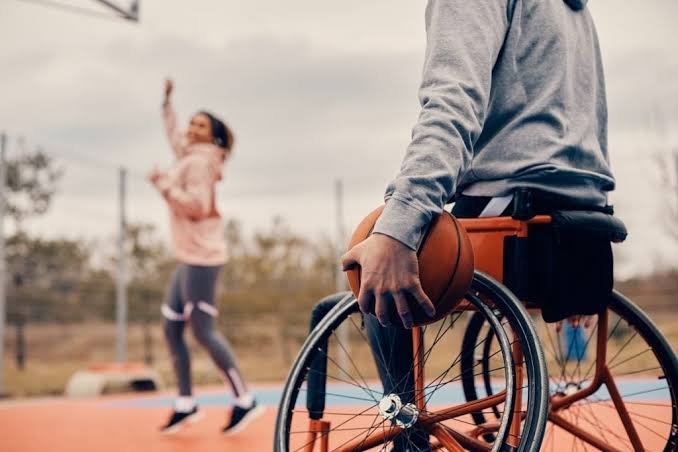
Making Leisure and Outdoor Activities More Accessible for People With Disability is an important part of building fair and welcoming communities. Leisure time helps people relax, learn new skills, and feel connected to others. Outdoor activities give fresh air, movement, and joy. For people with disability, these moments can be harder to reach. Barriers like transport issues, unsafe spaces, or lack of support can limit access. When these barriers are reduced, people gain more freedom. They can enjoy hobbies, spend time outdoors, and take part in community life in meaningful ways.
Leisure activities are not extra luxuries. They are a normal part of everyday life. Everyone deserves the chance to enjoy a walk, a game, or time with friends. For people with disability, small changes can make a big difference. Simple support can turn a missed opportunity into a happy memory. When communities focus on access, people feel included. They feel seen and valued. This is why improving access to leisure and outdoor activities matters for all.
Leisure and outdoor activities support physical health, mental wellbeing, and social connection. They help people feel balanced and confident. For people with disability, access often depends on planning, safety, and the right level of assistance. This does not mean complex solutions are always needed. Clear paths, flexible programs, and trained support can open many doors. Inclusive leisure design benefits not only people with disability but also families, older adults, and the wider community.
Understanding Barriers to Leisure and Outdoor Access
Physical and Environmental Barriers
Many outdoor spaces are not designed with all users in mind. Uneven paths, narrow entrances, and lack of seating can limit access. Public parks may have steps instead of ramps. Sports venues may lack accessible restrooms. These barriers can make participation tiring or unsafe. When environments are improved, people can move with more comfort and confidence.
Social and Attitudinal Barriers
Sometimes the barrier is not physical. It can be social. People with disability may feel unwelcome or misunderstood in group activities. Others may not know how to offer help in a respectful way. Inclusive attitudes matter. When staff and community members understand disability, activities become more open and relaxed for everyone.
Transport and Planning Challenges
Getting to activities can be one of the biggest challenges. Public transport may not be accessible or reliable. Travel can take more time and energy. Planning is often needed for personal care, rest breaks, and safety. Without support, many people miss out on leisure opportunities close to home.
Inclusive Leisure Activities That Encourage Participation
Gentle Sports Like Golf
Gentle sports are a strong example of inclusive leisure. Golf allows people to enjoy the outdoors at a calm pace. Courses can be adapted with accessible paths and seating. Adaptive equipment can support different needs. Golf also encourages social interaction. Players can talk, share time together, and enjoy nature. This makes it a valuable activity for community participation.
Walking, Gardening, and Nature Activities
Simple outdoor activities can be very meaningful. Guided walks, community gardening, and nature programs offer fresh air and gentle movement. These activities support mental health and reduce stress. With clear paths and rest areas, many people with disability can take part comfortably.
Creative and Social Outdoor Programs
Outdoor art classes, group picnics, and local events also support inclusion. These activities focus on shared experiences rather than physical ability. They help people build friendships and feel part of their local area.
The Role of Support Workers in Community Access
Support workers play an important role in Making Leisure and Outdoor Activities More Accessible for People With Disability. They help turn plans into real experiences. Their role often includes transport, personal care, and companionship. With the right support, people can enjoy hobbies safely and with confidence. In many cases, support workers assist with getting to and from activities. They help with mobility aids and ensure safety during outings. They also provide social support, which can reduce anxiety in new environments. This kind of community access support that helps people enjoy hobbies and outings allows people to take part in activities like golf, walking groups, or local events.
Designing Communities That Support Inclusion
Inclusive communities think about access from the start. This includes accessible paths, clear signs, and flexible programs. Local councils, sports clubs, and event planners all play a role. Small changes can have lasting impact. When access is built into planning, fewer adjustments are needed later. Training is also important. Staff and volunteers benefit from learning how to support people with disability in practical ways. This builds confidence on both sides. Inclusion becomes a normal part of community life, not a special effort.
Long-Term Benefits of Accessible Leisure
Accessible leisure supports health over time. Regular outdoor activity improves strength and mood. Social participation reduces isolation. People gain routine and purpose. Families also benefit when leisure options are inclusive. Shared activities create stronger relationships and understanding. Communities benefit as well. Inclusive spaces are used by more people. They feel welcoming and active. When everyone can take part, communities become healthier and more connected.
Conclusion
Making Leisure and Outdoor Activities More Accessible for People With Disability helps create a fair and caring society. Everyone deserves time to relax and have fun. Accessible spaces bring smiles and confidence. They help people feel included and respected. Small changes can open big opportunities. With good design and kind support, leisure becomes joyful for all. When communities work together, outdoor activities turn into shared moments of happiness. Accessibility is not extra. It is essential for a better and brighter life.