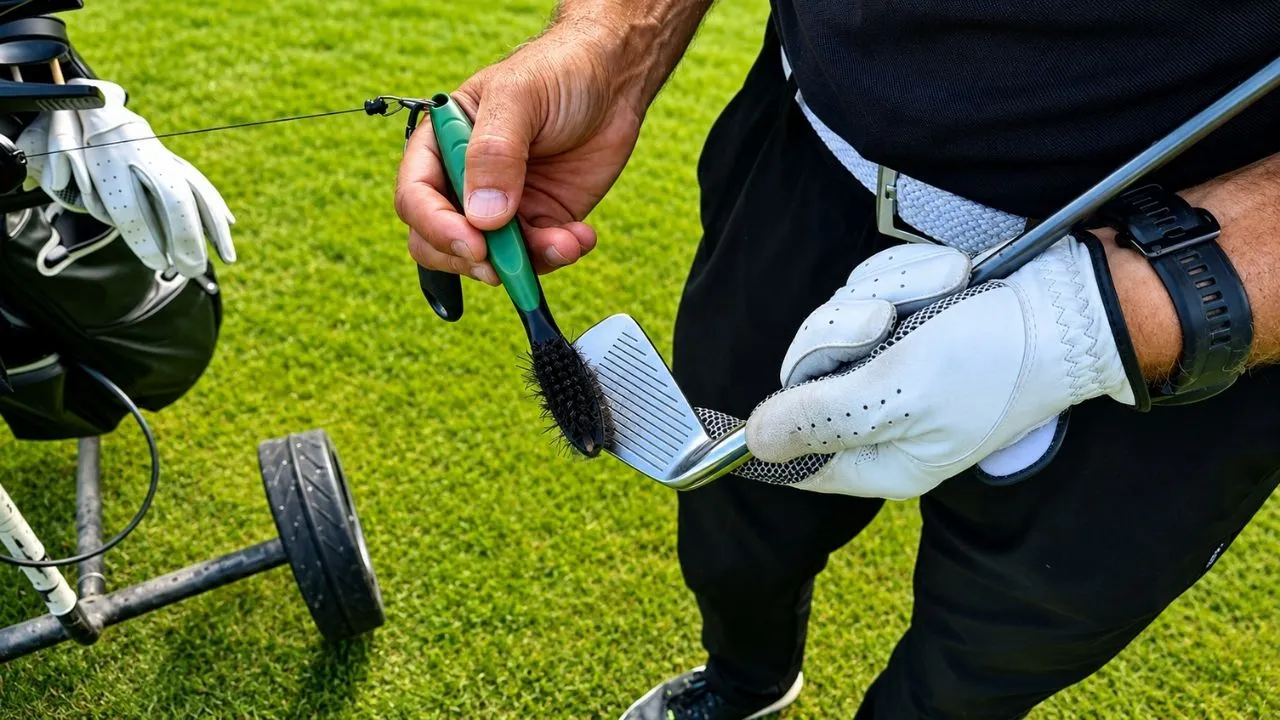
Golf clubs take a lot of punishment during a round. They come into contact with grass, mud, sand, moisture and dirt, while the grooves on the clubface gradually collect debris. Over time, this buildup can affect contact with the ball, reduce consistency and make even an expensive set look old and neglected.
The good news is that how to clean golf clubs is fairly simple. You do not need expensive equipment or complicated chemicals. A bucket of warm water, mild dish soap, a soft brush and a clean towel are enough for regular maintenance. The important thing is knowing how to clean different parts of the club without damaging the finish, ferrule, shaft or grips.
Below is a practical guide covering everything from routine cleaning to how to clean rusty golf clubs.
Why Is It Important to Clean Golf Clubs?
Clean golf clubs are not just about appearance. Dirt and grass can become packed inside the grooves, preventing the clubface from interacting with the ball as designed. This is particularly important with irons and wedges, where clean grooves help produce consistent spin and control.
Regular cleaning can also help protect the finish and extend the useful life of your equipment. Moisture left on steel surfaces can contribute to corrosion and rust, especially when clubs are stored inside a damp golf bag or humid environment.
What You Need to Clean Golf Clubs
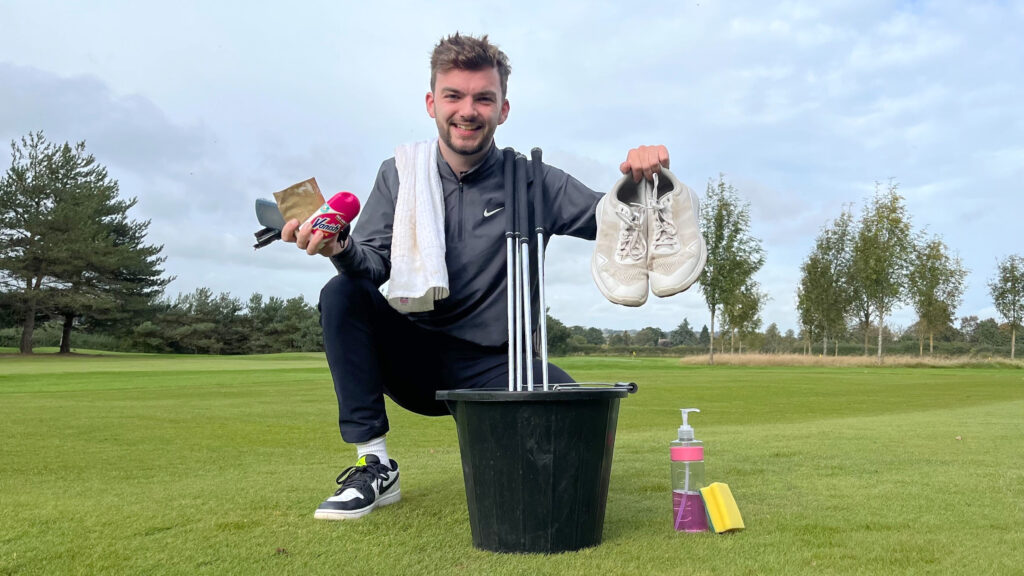
Before starting, collect a few basic supplies:
- A bucket or container
- Warm water
- Mild dish soap
- Soft-bristled brush or old toothbrush
- Microfiber cloth or golf towel
- Clean, dry towel
- Wooden tee for stubborn groove debris
- Golf club or metal polish, if required
- Rust-removal product for significant surface rust
Avoid harsh household chemicals and aggressive brushes. Modern clubs can have chrome, PVD, painted or other specialized finishes that may be damaged by abrasive cleaning methods.
How to Clean Golf Clubs Step by Step
1. Prepare Warm Soapy Water
Fill a bucket with warm water and add a small amount of mild dish soap. The water should be warm rather than extremely hot.
The objective is to loosen dried mud, grass and dirt rather than aggressively attack the club’s finish.
2. Soak the Clubheads
For irons and wedges, place only the clubheads into the soapy water for around 5–10 minutes. This gives dried dirt time to soften.
Do not immerse the ferrule, shaft or grip. This is particularly important with graphite-shafted clubs. Drivers, fairway woods and hybrids should generally be cleaned with a damp cloth rather than being submerged because moisture can reach areas where adhesives or internal components are located.
3. Scrub the Clubface
Take a soft brush and gently scrub the clubface. Concentrate on the grooves because that is where dirt and grass tend to accumulate.
Move the brush along the grooves instead of attacking the clubface with excessive pressure. A toothbrush works particularly well for detailed cleaning.
The grooves deserve special attention because debris trapped inside them can interfere with consistent ball contact and spin.
4. Clean the Grooves Carefully
If dirt remains inside individual grooves, use a wooden tee or similar non-metallic tool to loosen it.
Avoid using sharp metal objects to dig aggressively into the grooves. Altering the shape or edges of the grooves can damage the club and, in some circumstances, affect whether the club conforms to equipment rules.
Once the dirt has been loosened, brush the area again.
5. Clean the Sole and Back
Don’t stop at the clubface. Mud and grass can collect around the sole, back and hosel area.
Use the soft brush to remove this buildup, paying particular attention to areas where dried mud has hardened.
6. Rinse the Clubhead
After scrubbing, rinse the clubhead with clean water or wipe it thoroughly with a clean damp cloth.
Make sure no soap remains on the surface.
7. Dry Immediately
Drying is one of the most important parts of the entire process.
Use a clean microfiber or golf towel to remove all moisture from the clubhead. Get into the grooves and small crevices rather than leaving the club to air-dry. Moisture left on metal surfaces can contribute to corrosion and rust.
How to Clean Golf Club Shafts
Golf club shafts need a gentler approach than clubheads.
For steel shafts, wipe them with a slightly damp cloth to remove dirt, fingerprints and grass. Follow immediately with a dry towel.
Graphite shafts should also be wiped rather than soaked. Avoid harsh chemicals and excessive moisture.
If you notice corrosion on a steel shaft, don’t aggressively sand it. Light surface corrosion may be treated carefully, but significant corrosion is better assessed by a professional.
How to Clean Golf Club Grips
Golf grips are easy to overlook, but they are one of the most important parts of the club because they directly affect how securely you can hold it.
Use warm water and a small amount of mild soap. Gently scrub the grip with a soft brush or cloth, then rinse lightly and dry it thoroughly.
Avoid solvents, strong household cleaners and excessive use of alcohol-based products because they can affect the rubber and reduce the grip’s tackiness.
If a grip remains hard, cracked or unusually slippery after cleaning, cleaning may no longer be the solution. It may simply be time to replace it.
How to Clean Rusty Golf Clubs
Rust requires a little more care.
First, determine whether you are dealing with light surface rust or deeper corrosion. Small orange or brown spots without visible pitting are generally easier to address. Deep rust that has created pits in the metal or damaged groove edges may require professional refinishing or replacement.
For light surface rust, start with ordinary cleaning. Wash the clubhead with warm soapy water, gently scrub it and dry it completely.
For stubborn surface rust, some cleaning guides recommend diluted white vinegar followed by gentle scrubbing and immediate rinsing. However, vinegar is not appropriate for every club finish. It can affect certain coatings and should not be casually used on PVD finishes, painted surfaces, graphite shafts or other sensitive components.
If you’re unsure about your club’s finish, use the least aggressive method first or consult the manufacturer.
Should You Use Steel Wool?
This is an area where caution is important.
Some golf-club cleaning methods recommend ultra-fine #0000 steel wool for stubborn surface rust, while other manufacturers and guides warn that abrasives can scratch or alter certain finishes.
Therefore, don’t automatically use steel wool on every club. Chrome, PVD, black, painted and specialty finishes can react differently.
If you do use an abrasive treatment on a compatible metal surface, use extremely light pressure and test an inconspicuous area first. Never use aggressive wire wheels, coarse sandpaper or power tools on a finished clubhead.
What About WD-40?
WD-40 is often mentioned in golf-club maintenance because it can displace moisture. However, it should not be treated as a substitute for cleaning.
In particular, avoid leaving an oily residue on the clubface because it can attract dirt and potentially affect the surface during play. Stix specifically recommends using appropriate rust treatment rather than relying on WD-40 as a club cleaner.
If you use a protective oil on an appropriate metal surface, apply only a very thin layer and keep the clubface clean before playing.
How Often Should You Clean Golf Clubs?
You don’t necessarily need a deep cleaning after every shot or every round.
A good routine is:
After every round: Wipe dirt and moisture from the clubs and clean obvious debris from the grooves.
Every few rounds: Give irons and wedges a proper warm-water-and-soap cleaning.
When playing in wet conditions: Clean and dry the clubs particularly carefully.
Regularly: Inspect the grips, shafts, clubheads and grooves for damage or rust.
Spending just a few minutes maintaining your clubs can prevent dirt and moisture from becoming long-term problems.
Common Golf Club Cleaning Mistakes to Avoid
There are several shortcuts that can cause more harm than good.
Don’t put golf clubs in the dishwasher. The heat, detergent and high-pressure water can damage finishes, graphite shafts and ferrules.
Don’t soak the entire club. Keep shafts, ferrules and grips out of the water.
Don’t use aggressive metal tools on grooves. You can scratch the face or alter groove geometry.
Don’t leave clubs wet. Dry them immediately after washing or playing in wet conditions.
Don’t use harsh chemicals without checking the finish. A cleaning solution that works on bare steel may damage a coated club.
Don’t store wet clubs in a closed bag. Trapped moisture encourages corrosion.
Final Thoughts
Learning how to clean golf clubs doesn’t require much time or money. For normal maintenance, warm water, mild soap, a soft brush and a clean towel are all you need. Focus especially on the grooves, dry the clubheads immediately and treat shafts and grips more gently than the metal clubface.
For rust, start with the least aggressive approach and identify the club’s finish before using vinegar, abrasives or specialized products. Most importantly, make cleaning part of your regular golf routine rather than waiting until your clubs become heavily soiled or corroded. A few minutes of maintenance can keep your equipment looking better, performing consistently and lasting longer.
Read More: Swannies Golf | Best Golf Practice Net 2026 | US Women’s Open | Sam Ryder PGA Tour Withdrawal
FAQs
Yes. Mild dish soap mixed with warm water is suitable for routine cleaning.
Soak only appropriate clubheads, such as irons and wedges. Keep shafts and ferrules out of the water.
Start with gentle cleaning. Surface rust may require a suitable rust treatment, while deep pitting may need professional refinishing.
Wipe them after rounds and give them a deeper cleaning every few rounds or whenever dirt becomes noticeable.