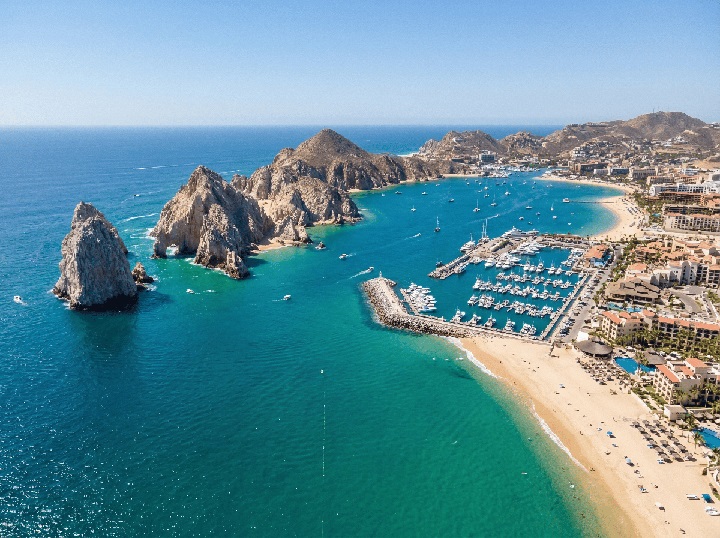
Somewhere between your third round of golf and your second margarita, the thought has probably crossed your mind: what if I actually bought something here?
You’re not alone. Foreign investment in Mexican coastal real estate has grown steadily over the past decade, with North American buyers consistently accounting for a significant share of transactions along both the Pacific coast and Baja Peninsula. The appeal is obvious. But here’s the thing most people don’t realise until they start looking seriously: Mexico’s beach markets are wildly different from each other. A buyer who’d thrive in Sayulita would be miserable in Cabo, and vice versa.
The mistake most first-time buyers make is searching for property before they’ve honestly defined what kind of buyer they actually are. This guide is designed to fix that.
Why Coastline Choice Matters More Than Most Buyers Expect
Mexico has over 9,000 kilometres of coastline. The Pacific side alone stretches from Baja California in the north down through Nayarit, Jalisco, and beyond. Within that geography, you have everything from sleepy surf towns to polished resort corridors with world-class golf.
Each market has its own price dynamics, infrastructure quality, buyer demographics, rental income potential, and lifestyle tempo. Buying in the wrong one for your personality and goals doesn’t just mean a suboptimal vacation experience. It can mean underperforming rental yields, resale challenges, or simply owning a property you never actually want to visit.
So before browsing listings, spend a few minutes with the buyer profiles below.
The Four Buyer Profiles (and Where They Belong)
The Golfer and Lifestyle Upgrader
This buyer plays golf seriously, probably travels to Mexico several times a year already, and wants a property that fits that lifestyle. Proximity to quality courses matters. So does good infrastructure, easy airport access, and a social scene that doesn’t require learning Spanish to navigate.
For this profile, Los Cabos is almost always the answer. The corridor between Cabo San Lucas and San José del Cabo is home to some of the best golf in North America, including courses designed by Jack Nicklaus, Tiger Woods, and Greg Norman. The region draws a sophisticated international crowd, has a reliable direct flight network from most major US and Canadian cities, and offers property values with strong historical appreciation.
For those looking to invest in Los Cabos real estate, the range is broad: you can find oceanfront condos under $500,000 USD or gated estate communities pushing well past $2 million. The key is knowing which sub-market suits your use case.
Cabo San Lucas is vibrant, social, and marina-centric. Think walkable evenings, a busy nightlife scene, and a constant stream of visitors that makes it the strongest short-term rental market in the corridor. If you want to offset ownership costs through vacation rental income, Cabo San Lucas consistently performs.
San José del Cabo, by contrast, is quieter and more refined. It has a charming art district, upscale dining, and a residential feel that suits buyers looking for a genuine home base rather than a party hub. San Jose del Cabo appeals particularly to retirees and those spending longer stretches of time in Mexico.
The Nature Seeker and Slow-Life Buyer
This buyer wants to wake up to the sound of waves, not traffic. They value authenticity over amenities, prefer local taquerias over hotel restaurants, and are typically flexible on infrastructure trade-offs in exchange for character and calm.
Two markets stand out here, both in Baja Sur.
Todos Santos is a UNESCO-designated Magical Town about an hour north of Cabo. It has a genuine arts community, excellent surf breaks, and a growing but still manageable expat scene. Property values have risen sharply as buyers discovered it, but there’s still opportunity, especially for land and smaller home builds. Todos Santos suits buyers who want Baja’s beauty without the resort-corridor energy.
Los Cerritos sits just south of Todos Santos along the Pacific-facing coast. It’s a surf beach with a relaxed, community-oriented vibe that’s attracting younger buyers and second-home seekers who want something low-key. Infrastructure is more limited, but that’s part of the draw. Los Cerritos is worth exploring if affordability and a quieter rhythm matter to you.
The City-by-the-Sea Buyer
Not everyone wants isolation. Some buyers want urban amenities, cultural depth, good healthcare access, and a real city to live in, but with the Pacific as their backyard.
La Paz is the answer here. The capital of Baja California Sur is often overlooked by buyers fixated on Cabo, which is arguably why it still offers exceptional value. It has a beautiful malecón (waterfront promenade), a thriving local food scene, top-tier marine biodiversity (it’s one of the world’s best spots for whale shark encounters), and a strong expat community built more on residents than tourists.
Property prices in La Paz remain lower than Los Cabos on a per-square-metre basis, and the city has the infrastructure to support full-time living comfortably. For buyers who want a real place to live rather than a vacation asset, it’s one of the most underrated markets on Mexico’s Pacific and Baja coastlines.
The Income-First Investor
This buyer is primarily thinking in spreadsheets. They want strong short-term rental yield, consistent occupancy, and ideally a market with proven demand. The lifestyle perk is secondary.
Los Cabos as a whole is the most defensible choice for this profile. The region welcomed over 3 million tourists in recent years and has one of the highest average daily rates for vacation rentals in Mexico. Platforms like Airbnb and VRBO consistently rank Los Cabos among top-performing Mexican markets.
That said, the Puerto Vallarta and Riviera Nayarit corridor (on the mainland Pacific coast) deserves mention here too. Sayulita, Bucerias, and Nuevo Vallarta have seen strong rental demand growth and appeal to a different tourist demographic. If diversification interests you, comparing both coastlines is a smart exercise.
Understanding the Legal Landscape Before You Buy
Regardless of which market fits your profile, one thing is consistent across all of Mexico’s Pacific and Baja coastlines: foreign buyers need to understand the fideicomiso system.
Mexico’s constitution restricts direct foreign ownership of property within 50 kilometres of the coastline. Instead, foreign buyers typically hold title through a bank trust called a fideicomiso, which grants full ownership rights including the right to sell, rent, or bequeath the property. It’s a well-established legal structure with decades of precedent, but it does add steps and costs to the process.
The National Association of Realtors (NAR) and various Mexico-focused legal resources have published extensively on this. Any reputable buyer’s guide or bilingual real estate platform should walk you through it clearly. Platforms like MexHome provide educational resources specifically designed for English-speaking foreign buyers navigating this process, which is worth bookmarking early in your search.
A good notario (Mexico’s equivalent of a closing attorney with additional legal powers) is essential. Unlike in the US or Canada, the notario in Mexico represents the transaction itself, not either party, so selecting one with experience in foreign buyer transactions matters.
Matching Budget to Market
A rough orientation is useful before you start browsing:
- Entry-level condos in Los Cabos corridor: $250,000 to $450,000 USD
- Mid-range properties (2-3 bed, gated community, amenities): $500,000 to $900,000 USD
- Luxury and oceanfront: $1 million and above, with no real ceiling
- Todos Santos and Los Cerritos: more accessible entry points, with land parcels and smaller builds available below $300,000 USD in some cases
- La Paz: among the most affordable markets in Baja Sur for the square footage and quality of life on offer
These are broad ranges and shift with exchange rates, developer pricing, and demand cycles. The point is that each market has a different floor and ceiling, and knowing which bracket you’re working in helps narrow the search considerably.
What Due Diligence Actually Looks Like
Buying remotely, or even from a week-long scouting trip, is common. But cutting corners on due diligence is where buyers get into trouble. A few non-negotiable steps:
- Verify title through the Public Registry of Property. This confirms the seller actually owns what they’re selling and that there are no liens.
- Confirm the fideicomiso or direct ownership structure is correctly documented before signing anything.
- Review ejido status if you’re buying land. Ejido land (communal agricultural land) cannot be privately sold without a formal conversion process. Buying ejido land without completing that process is one of the most common mistakes foreign buyers make.
- Use a bilingual buyer’s agent who works specifically in the market you’re targeting. Local knowledge is not transferable between markets.
- Budget for closing costs, which typically run 4-7% of the purchase price in Mexico and include notario fees, transfer taxes, and trust establishment fees.
Key Takeaways
- Mexico’s Pacific and Baja coastlines contain dramatically different markets. Matching your buyer profile to the right region matters as much as finding the right property.
- Los Cabos suits golfers, lifestyle buyers, and income-focused investors. La Paz suits city-oriented full-time residents. Todos Santos and Los Cerritos suit nature seekers and buyers prioritising authenticity.
- The fideicomiso trust system is the standard legal structure for foreign coastal buyers. It is well-established and legally sound, but requires proper navigation.
- Due diligence on title, ejido status, and closing costs is non-negotiable regardless of which market you choose.
- Working with bilingual, market-specific agents and a qualified notario significantly reduces risk for first-time buyers.
FAQ
Can a US or Canadian citizen legally own property on Mexico’s Pacific coast? Yes, through a fideicomiso (bank trust), which is the standard mechanism for foreign buyers in Mexico’s restricted coastal zones. The trust grants full ownership rights and can typically be established within 30 to 60 days of closing.
Which Baja market is best for rental income? Los Cabos, particularly the area around Cabo San Lucas, consistently delivers the strongest short-term rental yields due to high tourist demand, premium daily rates, and well-developed property management infrastructure. San José del Cabo performs solidly too, though with a slightly different tenant profile.
Is it safe to buy in Mexico as a foreign national? Many thousands of North Americans buy successfully in Mexico every year. The risks are largely legal and logistical rather than physical, and most are avoidable with proper guidance. Title verification, using a qualified notario, and working with reputable agents are the primary safeguards.
How do I finance a property purchase in Mexico? Mexican banks do offer mortgages to foreign nationals, though the terms are typically less favourable than US or Canadian loans. Many buyers use home equity, cash, or developer financing for pre-construction projects. Cross-border mortgage brokers who specialise in Mexico transactions are worth consulting.
What’s the difference between buying a resale condo and a pre-construction unit? Resale properties offer immediate possession and known condition. Pre-construction units often come at lower entry prices with staged payment plans, but carry developer risk and a waiting period of one to three years. Vetting the developer’s track record is essential before committing to pre-construction.
Final Thoughts
Mexico’s Pacific and Baja coastlines represent one of the most varied real estate landscapes in the Western Hemisphere. The common thread is value, lifestyle, and proximity to the US and Canada. But the differences between a golf-corridor condo in Los Cabos and a hillside bungalow in Todos Santos are significant enough that treating these markets as interchangeable is a costly mistake.
Start with honest answers about how you plan to use the property, how often you’ll visit, whether rental income matters, and what kind of daily life appeals to you. The right market becomes much clearer once those questions have real answers.
Then find people who know those markets well and let the specifics follow.