When families begin planning a funeral, one of the first practical questions they ask is:
How much does a casket cost?
The answer often comes with shock.
Many people are unprepared for the wide range of casket prices they encounter, especially inside funeral homes. In a moment of grief, it can feel difficult to slow down and evaluate whether the price reflects material quality , or markup.
This guide breaks down casket cost clearly and transparently so families can make informed decisions without pressure.
Why Are Casket Prices So Different?
Casket prices vary due to:
- Material (steel, wood, copper, bronze)
- Steel gauge thickness
- Interior fabric quality
- Design and finish
- Brand and manufacturer
- Retail channel (funeral home vs direct-to-consumer)
However, the largest difference often comes from distribution model.
Traditional funeral homes frequently apply substantial markups to merchandise. Direct-to-consumer retailers often operate with leaner pricing models.
Understanding this difference alone can save families thousands of dollars.
Average Casket Prices: What to Expect
While prices vary by region, typical ranges include:
Funeral Home Pricing
- Steel caskets: $2,000 – $5,000
- Solid wood caskets: $3,000 – $10,000
- Copper/bronze: $5,000+
Online Retail Pricing
- Steel caskets: Often $999 – $2,000
- Solid wood: $1,500 – $4,000
Families comparing transparent caskets for sale online often discover similar materials offered at significantly lower prices than local showroom options.
Understanding Steel Casket Construction
Steel caskets are measured in gauge thickness.
Important: Lower gauge number = thicker steel.
- 20-gauge steel: Standard thickness
- 18-gauge steel: Heavier and more rigid
- Stainless steel: Rust-resistant
- Copper/bronze: Non-ferrous metals that do not rust
While thicker steel may feel more substantial, it does not necessarily mean it is required for burial. Most cemeteries do not mandate a specific gauge.
What matters most is structural integrity and presentation preference.
Wood Caskets: What Drives Cost?
Wood options include:
- Oak
- Mahogany
- Walnut
- Cherry
- Pine
- Poplar
Solid hardwood typically costs more than veneer.
Price differences reflect:
- Rarity of wood
- Craftsmanship
- Finish quality
- Interior detailing
Some families prefer wood for its warmth and natural appearance. Others prioritize affordability and choose painted steel designs that mimic marble or textured finishes.
The Hidden Markup Factor
One of the most misunderstood parts of funeral planning is retail markup.
Funeral homes operate brick-and-mortar facilities with overhead costs:
- Showroom space
- Staff
- Inventory storage
- Commission structures
These operational costs contribute to higher merchandise pricing.
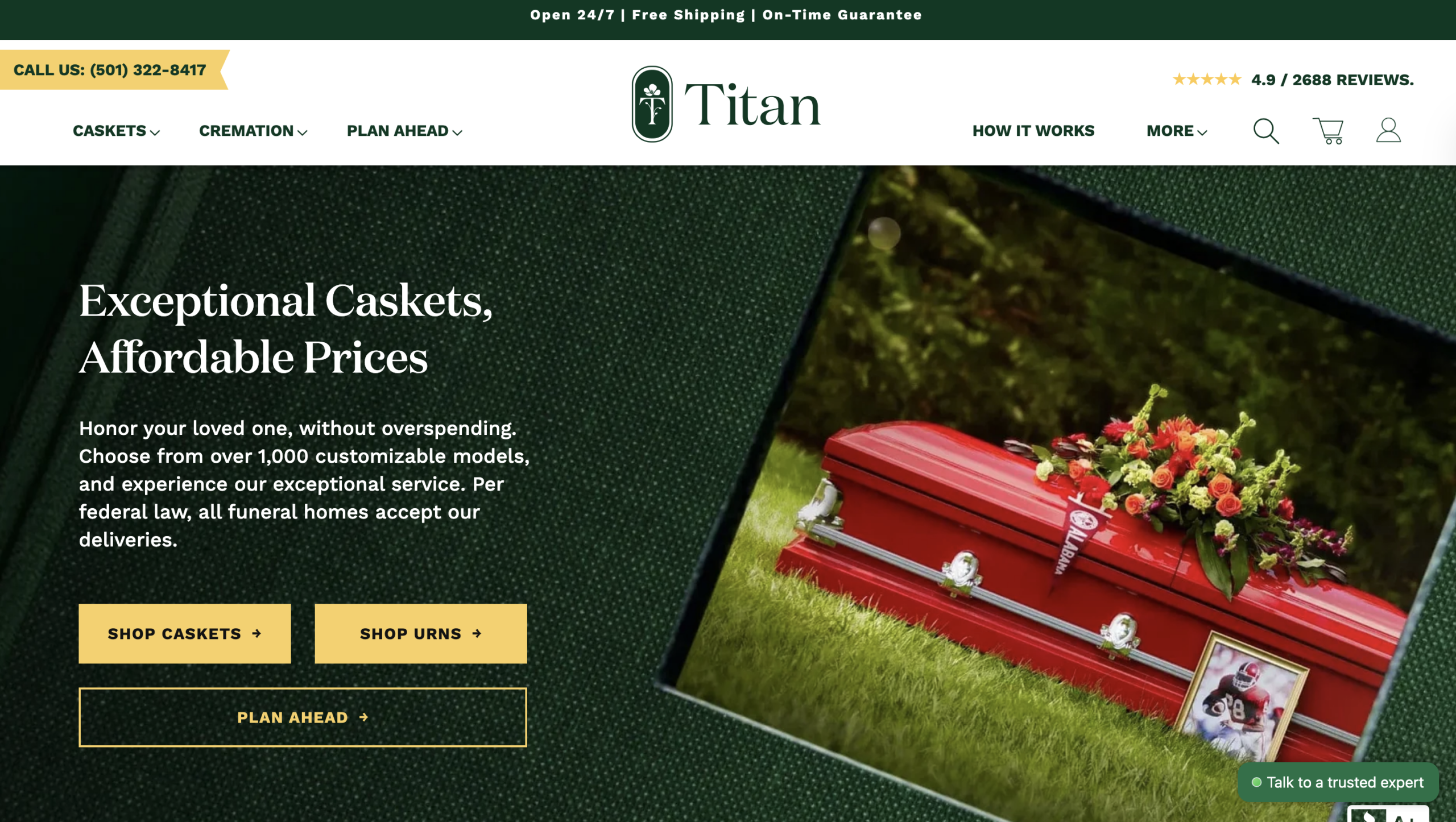
Direct-to-consumer brands, including companies like Titan Casket, reduce overhead by shipping directly to funeral homes or families, often resulting in more competitive pricing.
The material quality may be similar , but the distribution structure is different.
Is It Legal to Buy a Casket Online?
Yes.
Under the FTC Funeral Rule:
- Funeral homes must accept caskets purchased elsewhere.
- They cannot charge a handling fee.
- They cannot refuse delivery.
This federal protection gives families freedom to compare pricing before making a decision.
If you are researching casket cost options, reviewing online collections before meeting with a funeral director can help you feel more prepared.
Comparing Casket vs Coffin Pricing
Another pricing factor involves design shape.
A casket is rectangular with four sides.
A coffin has six sides and a tapered design.
In some cultural traditions, coffins are preferred and may be priced differently based on construction.
If you are exploring design differences, understanding casket vs coffin comparisons can clarify whether pricing differences stem from materials or shape.
Families interested in tapered designs can explore available coffins for sale to compare structural styles.
Does a More Expensive Casket Mean Better Preservation?
No.
This is a common misconception.
Preservation depends on multiple variables:
- Embalming
- Environmental conditions
- Burial vault
- Soil composition
A higher casket cost does not guarantee longer preservation.
Families should not feel pressured into spending more under the belief that it changes long-term outcomes.
Budget Planning During Funeral Arrangements
Funeral expenses may include:
- Funeral home service fees
- Casket cost
- Burial vault
- Cemetery plot
- Transportation
- Clergy honorarium
- Flowers
- Printed materials
Because these costs accumulate quickly, understanding merchandise pricing upfront helps families maintain financial stability.
Financial strain during grief can compound emotional stress. Transparent pricing helps reduce that burden.
How to Compare Caskets Responsibly
When reviewing options, consider:
- Steel gauge or wood type
- Interior material quality
- Warranty
- Delivery timeline
- Return policy
- Customer service availability
Not just price alone.
A reputable provider will clearly state materials and construction specifications.
Are Online Caskets Lower Quality?
This concern is understandable.
However, many direct-to-consumer retailers source from the same manufacturers that supply funeral homes.
The key difference lies in distribution channel and markup , not necessarily craftsmanship.
Families exploring reputable online platforms often find:
- Clear material listings
- Transparent photography
- Direct coordination with funeral homes
- Nationwide shipping support
Emotional Pressure and Sales Tactics
In a funeral arrangement room, emotions are heightened. Decisions often need to be made quickly.
Some families report feeling pressure to select higher-priced models due to:
- Presentation framing
- Emotional language
- Limited displayed options
Being informed beforehand allows families to enter that conversation with clarity.
Knowledge protects confidence.
Planning Ahead Can Reduce Financial Shock
Pre-planning allows:
- Time to compare casket prices
- Clear communication of wishes
- Avoidance of rushed decisions
- Reduced emotional spending
Whether planning ahead or making arrangements immediately after a loss, reviewing pricing outside a high-pressure setting is wise.
When Should You Consider a Coffin Instead?
Coffins may be chosen for:
- Cultural traditions
- Historical preference
- Religious customs
- Aesthetic choice
Because of their tapered shape, material usage may differ slightly.
If you’re comparing shape and cost, reviewing coffin vs casket resources can clarify which aligns with your values.
Frequently Asked Questions
What is the average casket cost?
Casket prices vary widely. Funeral home pricing often exceeds $3,000, while online retailers may offer comparable models for significantly less.
Is it legal to buy a casket online?
Yes. The FTC Funeral Rule protects your right to purchase from any vendor.
Do funeral homes charge extra if I bring my own casket?
They are not allowed to charge a handling fee for accepting outside purchases.
What’s the difference between coffin and casket pricing?
Pricing differences are usually based on materials and design shape, not legality.
Is 18-gauge steel better than 20-gauge?
18-gauge is thicker. However, most families do not require heavier gauge steel unless they prefer it for aesthetic or structural reasons.
Final Thoughts: Knowledge Brings Stability
Casket cost should not be a mystery.
Families deserve:
- Clear pricing
- Legal transparency
- Material clarity
- Freedom of choice
When you understand how casket prices are structured, you remove fear from the decision.
And in moments of grief, removing fear makes space for meaningful remembrance.