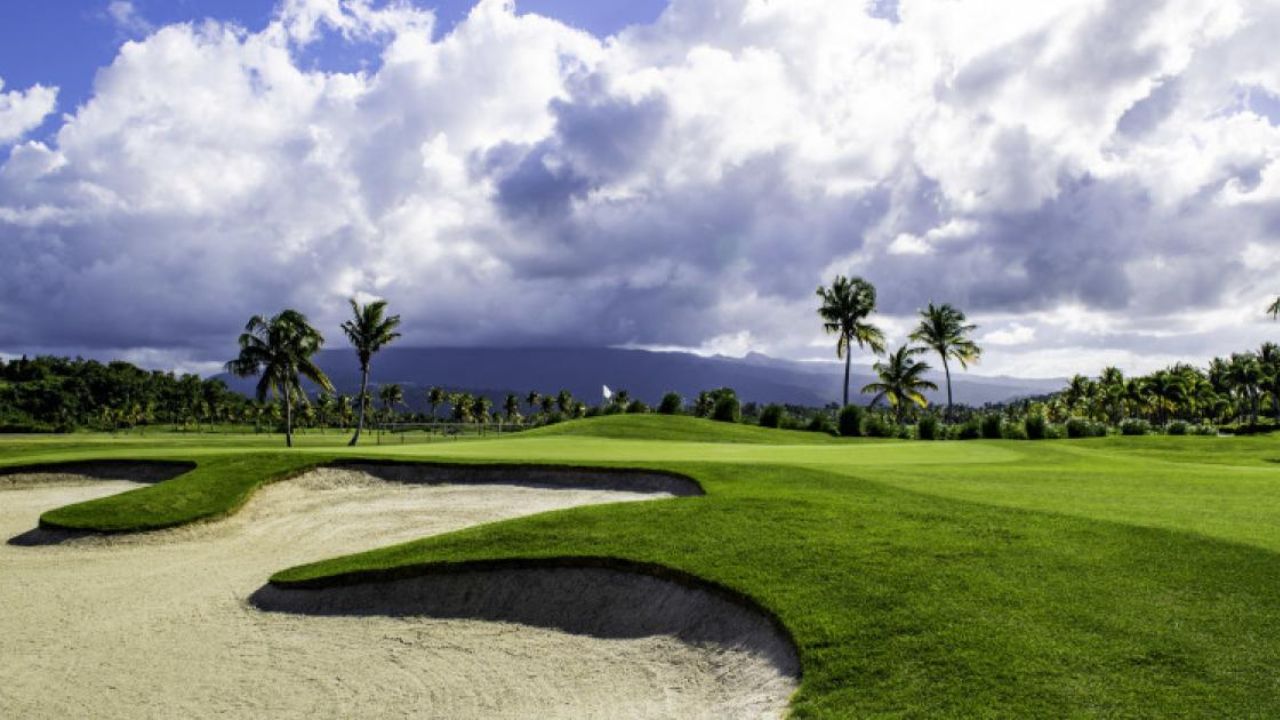
Grand Reserve Golf Club is not constructed in a way that will impress with excess and artificial drama. It is strong in the way the championship golf fits in the environment. The course is located on a peninsula overlooking the sea, with the ocean air and open horizons quietly determining every decision a golfer will make.
Instead of bombarding the players with carried shots or close corridors, the course teaches them to think carefully before choosing a shot. Fairways look welcoming, but angles are important. Greens are more rewarding of patience and discipline rather than of aggression. Gradually golfers start to realize that it is not so much about the physical but mental challenge. It is this multifaceted experience that keeps Grand Reserve Golf Club appealing to professionals and ordinary players that want to play golf that matters.
Highlight Overview: Key Facts About Grand Reserve Golf Club
Grand Reserve Golf Club needs to be understood as a holistic golfing facility as opposed to a series of picturesque holes. Fairway width, wind pattern, and the positioning of greens make a pressure which will eventually accumulate. Tee shots are usually perceived to be generous, but improper positioning may reduce the approach choices in the latter parts of the hole.
The course is a reward to golfers who are forward-thinking. The distance is not as important as strategic patience. Recovery shots can be made, but seldom comfortable. This equilibrium makes the game challenging, interesting, and equalizing to players of different abilities.
Highlight Snapshot
The following snapshot outlines the core identity of the club in a simple and structured format.
| Feature | Detail |
| Location | Río Grande, Puerto Rico |
| Course Type | Championship resort course |
| Total Holes | 18 |
| Setting | Oceanfront peninsula with rainforest backdrop |
| Design Style | Strategic, wind-influenced layout |
| Access | Members and public tee times |
| Reputation | Internationally recognized championship venue |
These fundamentals explain why the course maintains long-term appeal rather than short-term attention.
About Grand Reserve Golf Club
Space and openness characterize the Grand Reserve Golf Club. The property gives the course breathing space. One has freedom to swing around, but such freedom is a responsibility. The direction, strength, and the angles of the wind produce incessant choice.
This forbearance is indicated in the club atmosphere. Restaurants are refined but not fancy. It is all about playability, comfort, and rhythm instead of luxury that is not necessary. Practice areas also reflect on-course conditions, which assist golfers to train more realistically before they get to the first tee.
Coastal Peninsula Setting and Natural Influence
The course is situated on a unique piece of coastal land that is a combination of ocean and rainforest. The trade winds travel over the peninsula during the day affecting the distance control and the shape of the shot. A manageable hole can require control as the senior manager.
Change in elevation is unobtrusive but productive. Good shots are rewarded by run-out areas. Missed lines are not necessarily punished, but they tend to confuse the subsequent decision. Such a connection with nature makes each round of the course not the same.
Championship Design Philosophy and Playing Style
The design philosophy emphasizes options rather than restriction. Hazards guide thinking instead of enforcing penalties. Multiple routes exist from tee to green, each carrying a different level of risk.
Core principles include:
- Position over raw power
- Wind awareness on every shot
- Approach angles over distance
- Ground interaction as part of strategy
This approach keeps the course relevant regardless of equipment advancements.
Course Layout and Routing Balance
Among the most consistent strengths of the course one can distinguish routing balance. There is a high frequency of direction changes and wind does not give much time to any style of play. Shorter holes are the ones that allow creativity, whereas longer holes are the ones that require discipline and patience.
There is a naturalness and walkability between holes. The round does not have sudden difficulty spikes. The final stretch leaves players neither fatigued nor bored, but challenged by insightful routing instead of artificial difficulty being imposed on them.
Conditions of play and Character through the year
Conditions of playing are dependable all year round. There is consistent bouncing on fairways. Greens react frankly to approaches that are of quality and oppose irresponsible approaches.
The changes of seasons are more of addition rather than inconsistency. Summer emphasizes quickness and deployment. Warmer or colder seasons give more importance on control and imagination. The course also changes together with the environment, promoting repeat play and a deeper insight.
Membership Model and club access
The club is between the club and the general people. The memberships are controlled to maintain pace of play and condition of course. This has been seen to provide a robust member experience without leaving out visiting golfers. The membership is value-based as opposed to exclusive. The priorities are access, consistency and quality of the courses.
Grand Reserve Golf Club Membership Fees (Estimated)
Exact figures are not always publicly listed. Based on comparable championship resort clubs in the Caribbean, the following estimates provide realistic expectations.
| Membership Type | Estimated Initiation Fee | Estimated Annual Dues |
| Full Golf Membership | $25,000 – $40,000 | $8,500 – $12,500 |
| Resort Membership | $12,000 – $20,000 | $4,500 – $7,500 |
| Seasonal Membership | $6,000 – $10,000 | $3,000 – $5,000 |
| Corporate Membership | $35,000 – $55,000 | $12,000 – $18,000 |
These figures vary based on residency status and package inclusions.
Visitor Tee Times and Green Fees
This includes public tee times that are found throughout the majority of the year. Pre booking is advisable during high seasons of travelling. The green fees are estimated between 150 and 250 according to the demand and season. Multi-round bookings and replay rates can be provided, which can be very attractive to traveling golfers.
Strategic Shot Planning and Course Management
Scoring well requires restraint. Aggressive play works only when conditions align. Poor angles tend to lead to defensive recoveries rather than disasters.
Effective course management includes:
- Favoring fairway position
- Respecting crosswinds
- Keeping approaches below the hole
- Accepting conservative outcomes
Consistency beats aggression over 18 holes.
Yardage Balance and Hole Composition
Difficulty is spread evenly across the layout.
| Hole Type | Yardage Range | Strategic Focus |
| Par 3s | 160–220 yards | Trajectory and wind control |
| Par 4s | 370–490 yards | Placement and angles |
| Par 5s | 520–600 yards | Risk assessment |
| Overall | Balanced | Mental discipline |
No single section dominates the challenge.
Ricky Castillo at Grand Reserve Golf Club
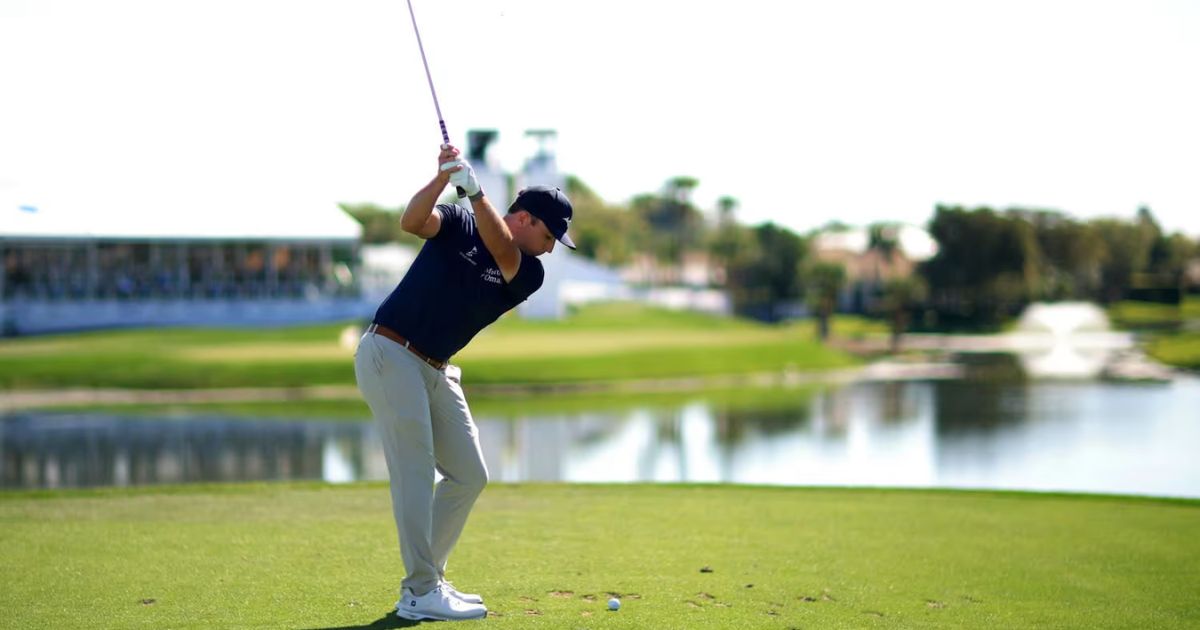
Intelligence is also appreciated by the professional golfers in the courses. Ricky Castillo has already visited Grand Reserve Golf Club and enjoyed its focus on the ball flight control and positioning on the strategic play. His playing style is consistent with the demands of the course, which serves as an evidence of its being a serious competitive test.
Conclusion: Why Grand Reserve Golf Club Stands Apart?
Grand Reserve Golf Club survives due to the respect that it shows to the environment and its players. The land leads the game. Strategy beats cupidity. Punishment is its reward in the long run. The lesson is the same among professionals such as Ricky Castillo as well as simple visitors.
The tremendous golf is not dependent on noises and extravagances. It relies on equilibrium, lightness and consideration. That is the reason why Grand Reserve Golf Club still has a role to play in the modern championship golf.
Also Read About: Bhalswa Golf Course Delhi: Fees, Membership & Public Play