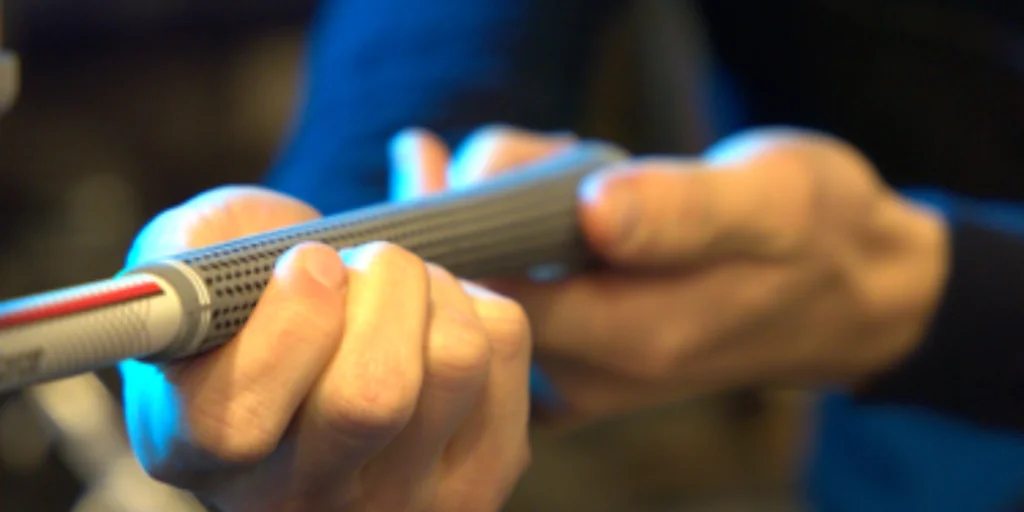
Out on the golf course, golfers often wonder why their shots lack the feeling of consistency, even when they have practiced regularly. The golf grips are one area that most people overlook. These key parts lose their effectiveness over time, which directly impacts accuracy and comfort. Grips: Knowing When to Replace Grips High-quality grips can secure the club more firmly, and confidence can rewrite some of the difficult shots while playing the course.
Understanding Grip Wear
Golf grips face a constant barrage of sweat, dirt, and sunlight. From every swing, friction erodes slowly. Grip patterns and texture will begin to wear away as the materials break down. This new style may make for a less secure grip, especially in difficult weather. The appeal of golf club grips lies in their ability to enhance comfort while maintaining reliable performance.
You won’t get as solid a connection from a worn golf grip. This causes more frequent slipping, resulting in loss of accuracy and power. Players might even start to subconsciously adjust where they put their hands due to a lack of grip. These changes can cause discrepancies in swing mechanics and overall performance.
Signs Your Grips Need Replacement
There are signs that the golf grips need to be changed. Cracks or splits that seem obvious indicate that the material has broken down. In general, though, any smooth or shiny surface typically results in some loss of tack. This could be a reaction to the slippery surfaces if hands feel strained after gripping more firmly. A sign of aging rubber (which affects reliability) is fading or discoloration.
When Should You Replace Grips?
It is also important to monitor the frequency of replacement based on the level of usage and climate. If you play multiple rounds every week, your grips might need to be replaced once a year. If you play less frequently, every couple of years will be adequate. In hot, humid environments, wear can happen faster, and this timeline can be shortened. A little elbow grease can go a long way to maintain the lifespan of the grip as long as it is cleaned properly, but replacement will still be inevitable when the grip starts to lose its performance.
Weather and Environmental Effects
Weather has a significant impact on the longevity of golf grips. Extreme temperatures and humidity can melt and degrade rubber much more quickly. Rain and sweaty hands can make slips even more likely, particularly on older grips. It helps to keep gear dry and clean, but as with environmental stress, new grips are eventually needed.
Maintaining grips helps delay replacement. Removing dirt and moisture between the hands and grips contributes to breakdown; wiping them after every round helps with this. Only regular mild soap cleaning helps maintain the tackiness. Store clubs in a cool and dry location to prevent premature aging. As careful as one is, replacement is necessary to keep both control and comfort.
Benefits of Timely Replacement
The process of changing golf grips when they get old brings back the feeling of secure hands on the grip, preventing the risk of mishits. New grips instill confidence in the player, allowing them to concentrate more on technique and less on gripping the club for dear life. By matching the feel across all of the clubs, every shot is more predictable and can help improve overall performance, from the short game to the driver.
Selecting New Golf Grips
Selecting a replacement means having to take into account grip size(s), texture, and material. The ergonomic fit maintains correct pressure and limits stress on the wearer. Newer styles tend to utilize better materials that manage moisture and wear and tear much more effectively than older designs. A professional can provide fitting advice so every club is tailored to individual preferences and playing style (or swings).
How to Replace Grips
Golf grip replacement can be done both at home and professionally. It is done by stripping the old grip, cleaning the shaft, and putting on fresh tape. Installing the grip correctly will ensure it sits in the right position to promote repeatable shots. Although DIY kits are available, professional installation ensures the best results.
Conclusion
The most critical factor that ensures a stable, reliable swing is the golf grips. Ignoring that leads to erratic behavior and needless aggravation. But you should know when to replace them to ensure optimal court use. Replacing older, tougher outholes ensures better performance and longer enjoyment in every round, which makes your investment worthwhile. Golfers can benefit from cleaner precision play with greater confidence and enjoyment on the course simply by focusing on grip quality.