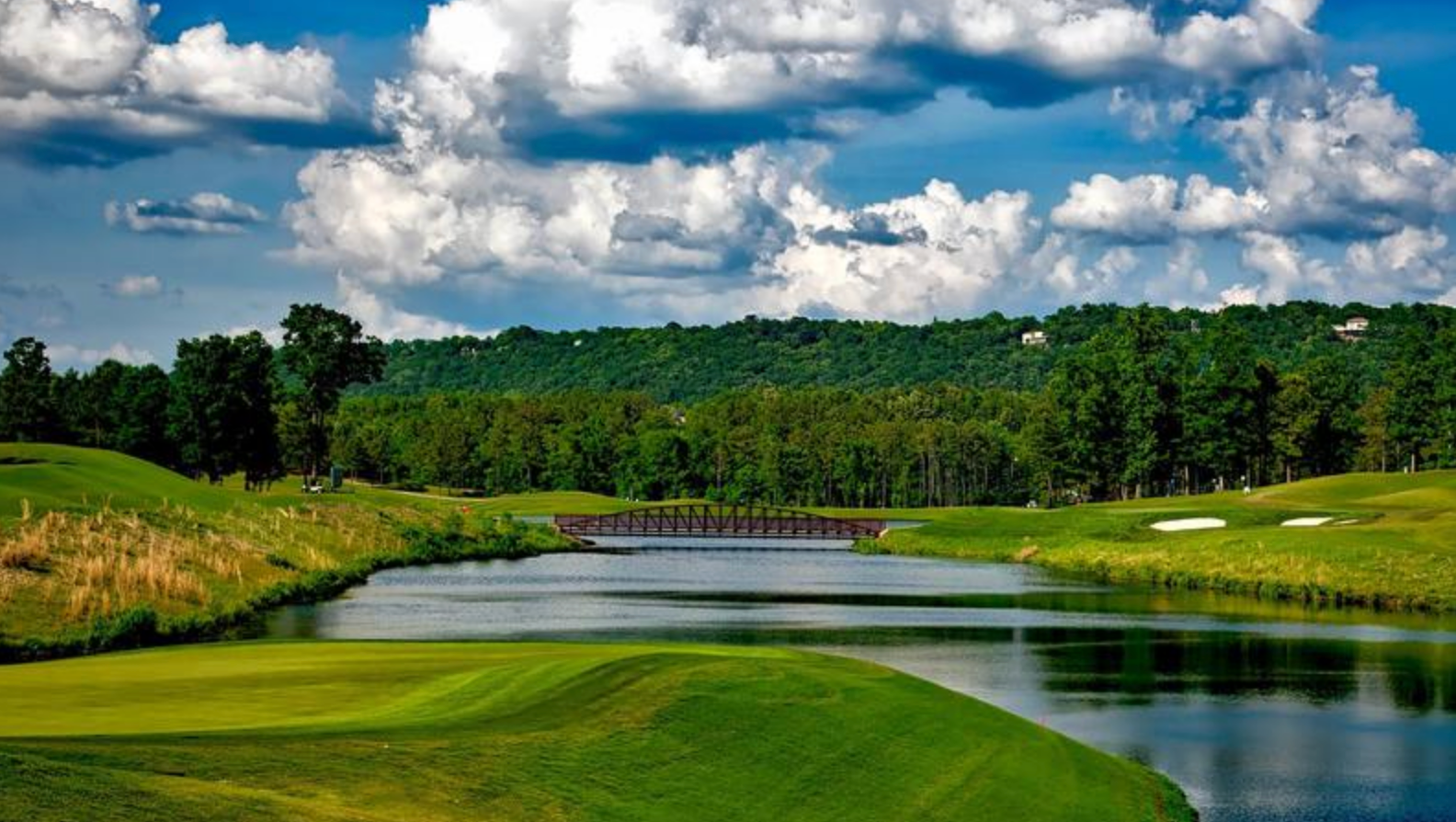
Golfers notice the fairway under their feet long before they study the scorecard. Healthy trees shape that first impression and influence how the course plays, from the first tee to the eighteenth green. A thoughtful tree care plan supports safety, playability, and aesthetics, and it does it quietly, the way good maintenance always does. When courses stay proactive instead of reactive, the landscape works with the game instead of against it. This approach matters regardless of course size, budget, or climate, because trees serve as both strategy and scenery, and players pick up on that balance instantly.
Understanding The Role Of Trees On Course Design
Trees introduce a character that bunkers and water hazards alone can’t replicate. They frame tee shots, protect greens from wind, and give each hole its own personality. When those trees start crowding fairways or blocking sunlight in the wrong places, the turf warns you before anything else does. Thick shade can thin grass faster than foot traffic, and poorly placed branches can push even seasoned players into awkward lies. Regular assessments help course managers understand which trees support play and which ones stand in the way. Thoughtful pruning keeps airflow steady, prevents turf stress, and maintains the clean sightlines that players expect, especially on layouts that appear on lists of top golf courses in the US where immaculate conditioning is part of the identity.
Seasonal Maintenance That Protects Long Term Health
Tree care on a golf course isn’t a once a year thing, it’s a steady rhythm that shifts with the seasons. Spring inspections catch winter damage early and allow crews to handle weak branches before storms arrive. Summer growth brings fullness that looks beautiful from the clubhouse but can cause debris buildup if no one stays ahead of it. Fall tends to be the sweet spot for structural pruning that strengthens the canopy and prepares it for harsher weather. Winter invites deeper planning, when managers review arborist reports, update inventories, and consider how maturing trees might affect hole strategy in the years ahead. Through all of this, consistent monitoring prevents last minute surprises that disrupt play or require emergency closures. Golfers may never see the behind the scenes decisions, but they feel the results when a course stays reliable through unpredictable weather.
Choosing The Right Expertise For Complex Jobs
Even experienced grounds crews know when tree work calls for outside specialists. Mature oaks near high traffic paths or leaning pines near greens demand more advanced evaluation. Crews benefit from professionals trained in safe removal, disease diagnostics, and structural assessments. It’s worth bringing in someone who can identify subtle root issues or canopy imbalances that could become safety concerns. In many cases, these jobs require technical rigging or climbing skills that go far beyond standard course maintenance. Courses across the country rely on trained experts because cutting corners in this area risks turf damage or unwanted hazards. Whether the course hires a pine specialist in Arizona or a hardwood expert near coastal winds, the principle remains the same, and smart managers follow it. Whether that’s a Houston arborist, one in D.C. or anywhere in between, go with a reputable company that aligns with the course’s priorities and long term health plan.
Balancing Visual Appeal With Playability
Golfers love a tree lined fairway, but they also love a fair chance at recovery after a stray shot. That balance depends on spacing, canopy lift, and branch density. Too many low branches create blind corners and force awkward chips that feel unfair rather than challenging. Too little cover exposes areas that were designed to be sheltered from harsh afternoon sun. A well executed lift opens corridors without making holes feel stripped bare, and it encourages turf growth by bringing sunlight where it matters most. Choosing the right specimens for future planting also influences this balance. Fast growing trees can quickly alter the shape of a hole, while slower growing species give architects and turf managers more control over long term course character. The best courses manage this relationship carefully, reinforcing the idea that aesthetics should support play, not complicate it.
Responding To Environmental Stressors Before They Escalate
Extreme weather tests tree resilience more than anything else. Drought conditions shrink canopies and leave branches brittle, while sudden downpours saturate roots and increase the risk of uprooting. Pest activity also spikes during weather swings, and infestations can spread quietly until damage becomes noticeable on multiple holes at once. Courses that incorporate soil moisture monitoring, aeration around key root zones, and targeted watering routines typically see stronger survivability. Mulching helps retain water and protects roots from temperature swings. When diseases appear, early treatment prevents broader decline, especially in stands of trees planted around the same time. Staying ahead of these patterns preserves the look and safety of each hole and avoids disruptions that frustrate players who expect consistency.
Strategic Planning That Anticipates Future Growth
Trees change more slowly than turf, but they change all the same, and planning for that future is part of successful course management. A young tree planted for shade near a green might offer perfect coverage today but could overshadow that green completely in fifteen years. Tree inventories that note age, species, growth rate, and structural condition allow managers to forecast how each hole will evolve. Some trees will become signature landmarks, while others will eventually need replacement to protect turf health or maintain strategic intent. When courses think this far ahead, they protect themselves from sudden redesigns that disrupt tradition and playability. Incremental adjustments keep the layout fresh without surprising members or altering the spirit of the original design.
The most memorable golf experiences happen when the landscape feels intentional and steady from the first swing to the last putt. Tree care plays a larger part in that experience than many players realize, shaping both the look and the strategy of every hole. A course that prioritizes thoughtful maintenance, expert guidance, and long term planning creates an environment where trees enhance the game rather than complicate it. Steady hands and smart decisions keep conditions strong and give players the sense that the course respects the game as much as they do.