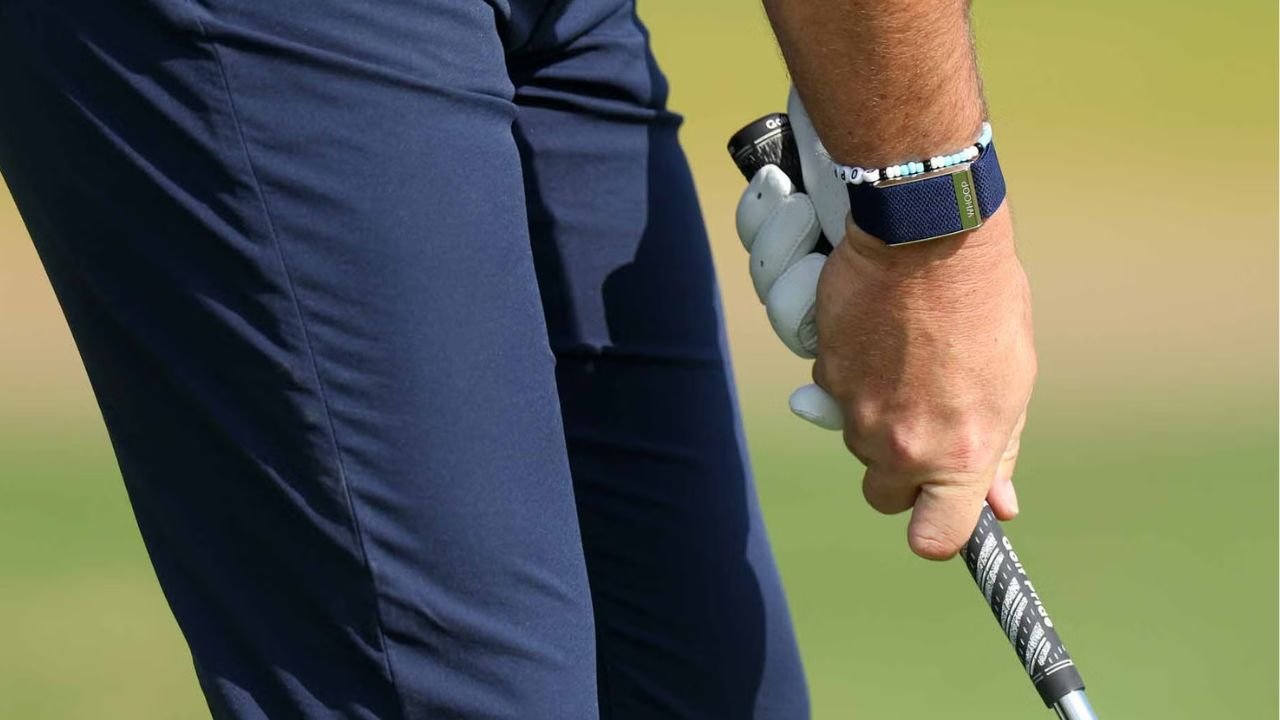
An appropriate golf grip is also among the most vital fundamentals during the game of golf. Numerous gamers waste years attempting to master their swing mechanics, body rotation or stance with no consideration to how they hold their club. But the old horses who have taught swing training know that a great percentage of swing training starts with the hands. In a situation where a golfer enhances his/her golf grip, then they are often prone to instant changes in the ball flight, range, and even the accuracy of the shot.
Legendary golfers like Sam Snead stressed upon the significance of grip pressure and hand positioning. Snead once told us that the right grip is to hold a little bird–so tight as to keep it there, but so loose as not to push it out of grip. This is just a simple analogy of how the right golf grip provides a balance between control and a relaxing grip.
In this guide, you will know the basics of the golf grip, the most common errors made by golfers, and useful information that will enhance your game within a short period of time.
The Basics of a Golf Grip
Golf grip is a manner in which a golfer grips the club by both hands. It links the player to the club and has a direct influence on the way the clubface interacts with the ball on impact. Proper grip will allow the club face to be square during the swing leading to straighter shots and increased consistency.
It has been said by golf instructors that the grip, stance and posture are the foundations of all good swings. When the grip is wrong a swing of perfect technical sound will hardly be able to give the right shots. This will help players to get rid of numerous swing faults in advance even before they begin their backswing.
Types of Golf Grips
Golf club can be held in a number of different ways. All forms of golf grips have dissimilar benefits based on the size of the hand, comfort level and style of play by the golfer.
1. Overlapping Grip (Vardon Grip)
Vardon grip or the overlapping grip is one of the most commonly used grips in professional golf. In the technique the pinky finger of the trail hand crosses that of the lead hand, the index finger.
This grip ensures the higher the wrist mobility and control hence this grip is popular among the experienced players. A high number of professional golfers endorse the style since they theorize a fluent, joined swing movement.
2. Interlocking Grip
The interlocking grip is what connects the hands at the hands of the leading hand is connected to the hands of the trailing hand. It gives a good hand unity and is usually employed by players with small hands.
The interlocking golf grip is used by notable golfers like Tiger Woods and other golfers who have achieved great fame in golf. The grip serves to make golfers stable and in control of their swing-power when making a potent swing.
3. Ten-Finger Grip (Baseball Grip)
The baseball grip (also known as the ten-finger grip) is a grip in which all ten fingers make direct contact with the club. This grip is often advised to beginners as it is natural and comfortable.
This type of golf grip is often advantageous to golfers who do not have very strong hands or are not very flexible since they are able to provide greater leverage and power output.
Comparison of Different Golf Grip Styles
| Grip Type | Best For | Advantages | Disadvantages |
| Overlapping Grip | Experienced golfers | Better control and wrist action | May feel weak for beginners |
| Interlocking Grip | Players with smaller hands | Strong hand connection | Can feel restrictive |
| Ten-Finger Grip | Beginners and seniors | More power and comfort | Less control for advanced swings |
This analogy assists golfers to select the best type of golf grip that is most appropriate in their playing style.
Correct Hand Position in a Golf Grip
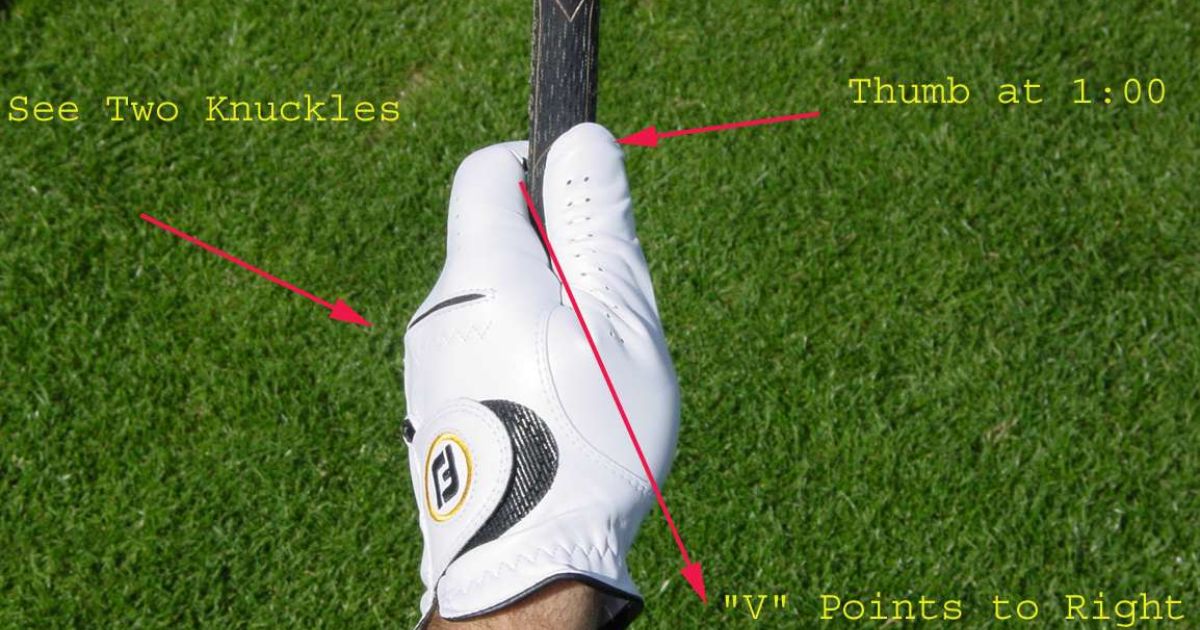
An adequate golf grip has to have the right hand grip on the leading hand, it should also have the trailing hand corresponding with the right hand grip. Depending on the position of the hands, the hands are all acting together to control the face of the club and push power to it.
Lead Hand Placement
The lead hand (left hand to right-handed golfers) is not to sit on palm but on the fingers in a diagonal manner. With the grip made correctly, golfers should be able to see two or three of the knuckles of their lead hand when looking down at address.
This stance will give control over the clubface and it will not slice. A good and firm balanced hand lead-hand stance is a key to a good golf grip.
Trailing Hand Placement
The trailing hand must be able to fit comfortably under the lead hand. The trailing hand lifeline has a direct placement of the lifeline directly on the lead thumb.
The thumb and forefinger should be pointed towards the right shoulder in case of right players and vice versa. This positioning is such that the hands jointly act during the swing.
Golf Grip Pressure: The Key to Distance and Control
One of the most misconstrued points of the golf grip is the grip pressure. Naturally, many golfers are an inherent tightening-grip response to difficult shots, like a long carry across water.
But there is too much tension and the speed of swing and consistent hitting of the ball is not possible. Golf teachers usually suggest an average amount of grip pressure of about four points out of ten.
Lying hands loose, the club moves at will during the swing. This enables golfers to produce more speed and power leading to long-distance drive, and high accuracy.
Common Golf Grip Mistakes
Golf grip errors can pose a problem even to the experienced players. These errors can be recognized and fixed which will provide a rapid boost in performance.
Most Common Mistakes
- Holding the club too tightly (death grip)
- Slices resulting with weak grip.
- Toes are too separated.
- One hand greater than the other.
The errors usually lead to unpredictable ball flight, range loss and faulty accuracy.
The Slice-Producing Weak Grip
The weak grip of a golf club happens when both hands are rotated excessively over to the target side of the club. It is a posture that is likely to result in an open clubface at impact.
Weak grip golfers often hit slices, or the ball goes off as a curve to the right side of right-handed golfers. The answer is easy, twist the hands a little, so that two or three knuckles will appear on the hand in the lead.
This allows the clubface to be squared and encourages the clubface to be straighter.
Strong vs Weak vs Neutral Golf Grip
Learning about the variations in types of grip can assist golfers determine which type of golf grip best suits their swing.
| Grip Type | Description | Typical Ball Flight |
| Strong Grip | Hands rotated away from target | Draw or hook |
| Neutral Grip | Balanced hand position | Straight shots |
| Weak Grip | Hands rotated toward target | Slice or fade |
Most instructors recommend a neutral golf grip because it provides the best balance of control and consistency.
Drills to Improve Your Golf Grip
By doing the correct exercises golfers can have a superior golf grip in a very short time and they can remove most of their swing problems.
Simple Grip Improvement Drill
- With the club loosely held, practice swings should be made.
- Slowly take off the pressure of the grips until it becomes comfortable.
- Pay attention to ensuring that both hands are in the same line.
- Hit short shots initially and then making a transition to full swings.
This exercise is used to condition golfers to have relaxed hands and aligned grips well.
How Grip Changes Improve Performance
A good number of golfers report that their performance improves instantly once they changed their golf grip. Minor fluctuations may have an epic outcome.
The former players who were having difficulties in cutting the ball might begin to push the ball in a straighter path. Other people can observe higher distance since loose hands enable them to swing faster.
Although it might not be very comfortable to make grip adjustments when starting, it becomes more consistent with practice. Majority of golfers learn to grip a new grip within few weeks of regular practices.
Key Takeaways About Golf Grip
- The foundation in consistent golf swing is the golf grip.
- The right grip pressure enhances distance and control.
- The varieties of grip styles are fitting to variety of golfers.
- Slices are usually caused by weak grips.
- Grip manipulation can easily reduce scores.
Using the fundamentals of the golf grip, golfers are able to enhance their performance without modifying their swing considerably.
Conclusion
A golf grip is among the least with the greatest impact of the successful golf game. This basic skill is neglected by many players, and they are concerned with advanced swing techniques. The tried and true trainers realize that with a proper grip a lot of the frequent problems can be corrected in a flash.
With the appropriate grip style and proper hand placement and grip pressure control, golfers will be able to significantly increase their accuracy, distance and distance range. A little change in practice can yield considerable effects in a comparatively short series of lessons.
Like a novice player who is learning how to swing the club; or an experienced player who is perfecting your swing, securing your grip of the club is the key before being able to swing the club with even minimum confidence.
FAQs
1. What is the best golf grip for beginners?
The ten-finger grip is often recommended for beginners because it feels natural and provides good control.
2. How tight should a golf grip be?
Most instructors suggest a grip pressure of about four out of ten to maintain control without tension.
3. Can a bad golf grip cause slicing?
Yes, a weak golf grip can leave the clubface open at impact, causing the ball to slice.
Also Read About: How Wide Is a Golf Hole? Size, History, and Facts Every Golfer Should Know